Photo Art at Home: Capturing the Passage of Time and Change

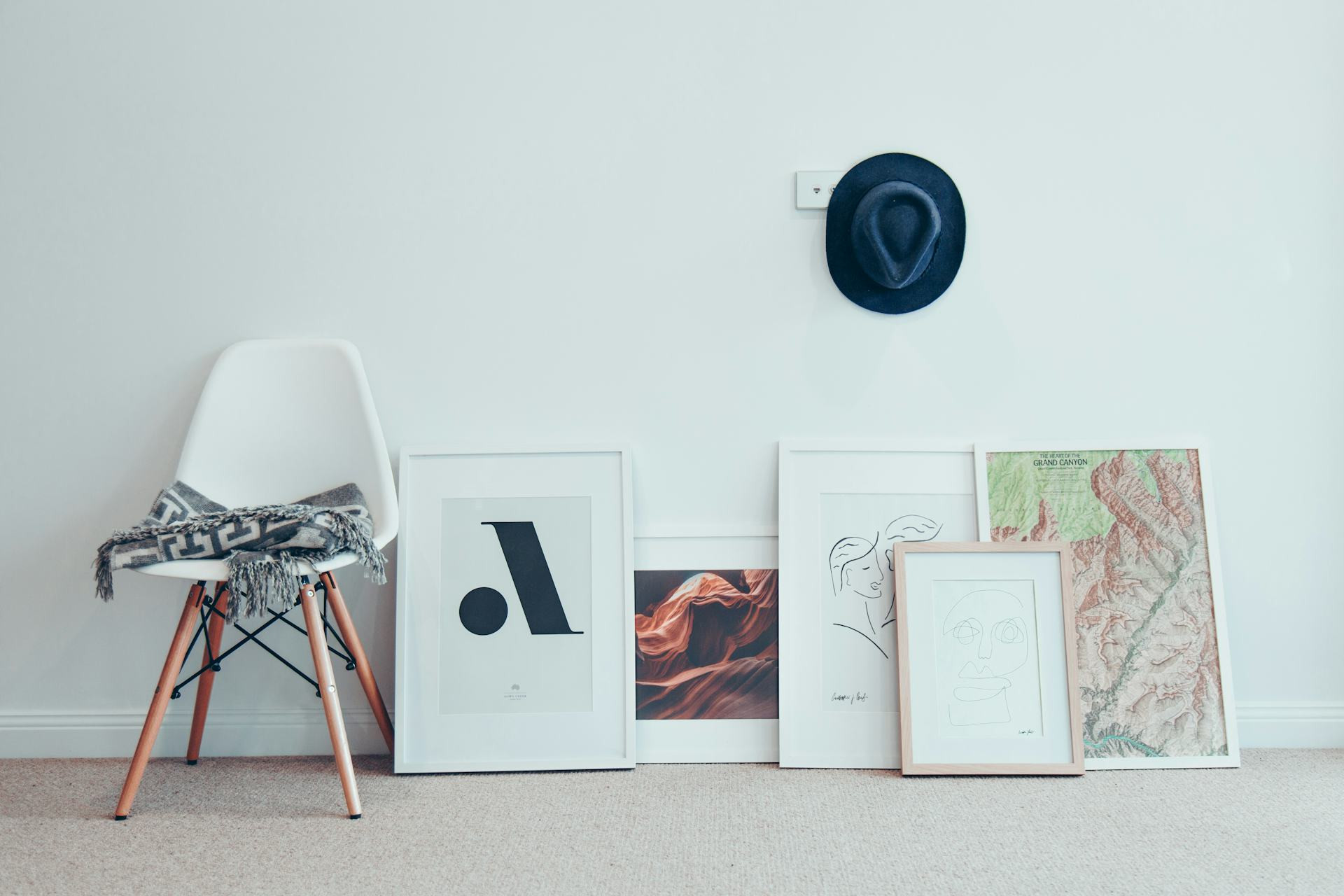
Photo Art at Home: Capturing the Passage of Time and Change
Photography has a unique ability to freeze moments, emotions, and transformations—both in the world around us and in our own lives. When photography becomes part of home décor, it turns into more than just an image on the wall. It becomes a window into time, a reflection of memory, and a way to bring personality and meaning into your living space.
Here’s how you can use photo art to create depth, emotion, and storytelling in your home—whether your taste leans toward documentary realism, abstract expression, or poetic simplicity.
Photography as Storytelling
A photograph can tell a story in an instant. It might show a person, a landscape, or an object—but it can also capture something less tangible: atmosphere, light, and change.
When choosing photo art for your home, think about the story you want to bring into the room. Is it a reminder of nature’s cycles, a glimpse of urban energy, or a quiet portrait that speaks to life’s fragility?
Photo art can serve as an anchor in your daily life—a place for your eyes to rest and your thoughts to wander.
Capturing Change—and Making It Part of Your Space
One of photography’s most fascinating qualities is its ability to hold on to change. A single image can show how something once was, while reminding us that everything is in motion.
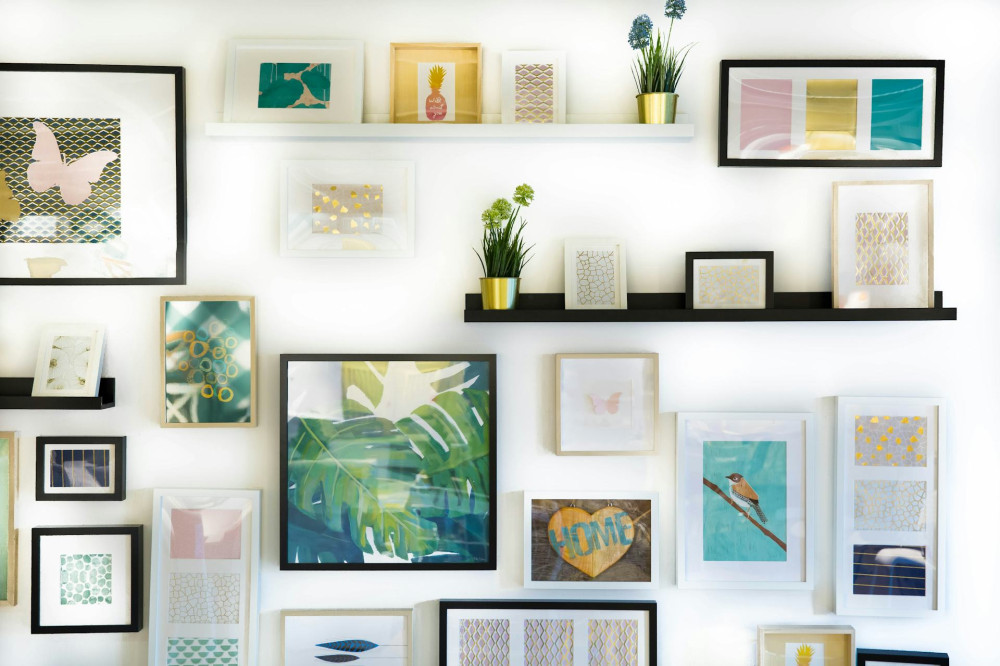
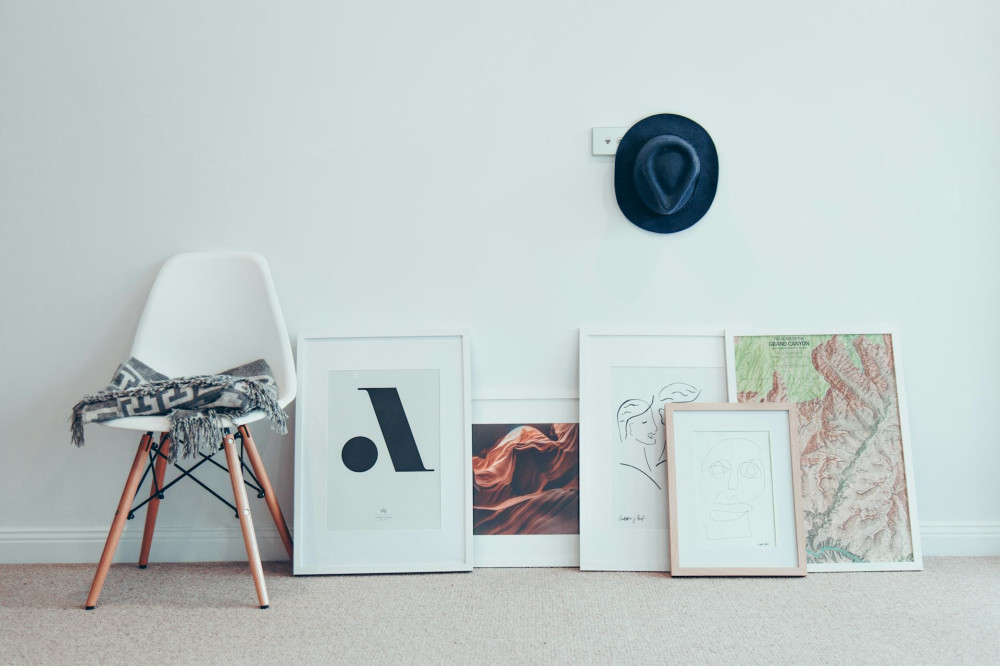
You can use this idea intentionally in your home. Consider creating a photo wall where images are rotated over time. These could be your own photographs that change with the seasons, or works by different artists that together reflect life’s rhythm.
Another approach is to display a series of images that show progression—a tree through the seasons, a child growing up, or a city street evolving. In this way, your art becomes a living part of your home, moving with time rather than standing still.
Black and White or Color—Setting the Mood
The choice between black-and-white and color photography is not just about style; it’s about emotion.
- Black and white emphasizes contrast, form, and light. It creates a timeless, classic look that works beautifully in minimalist or modern spaces.
- Color photography brings warmth, energy, and life. It can pull the hues of nature into your living room or add a vibrant accent to a neutral interior.
Think about how the colors in the photograph interact with your room’s palette—wall tones, furniture, and textiles. A well-chosen photograph can tie a space together and create harmony.
Personal Photo Art—When Memories Become Aesthetic
Photo art doesn’t have to come from professional photographers. Your own images can become art when presented thoughtfully.
A travel photo, a portrait of someone you love, or a snapshot from everyday life can take on new meaning when printed in high quality and framed beautifully.
Try working with series—for example, four photos of the same place at different times of day. This creates a sense of movement and time, making the artwork feel alive.
By using your own photographs, you create a personal connection between art and life—turning your home into a space where your own stories are part of the décor.
Læs også:

Finding the Right Place
Placement plays a big role in how photo art is experienced.
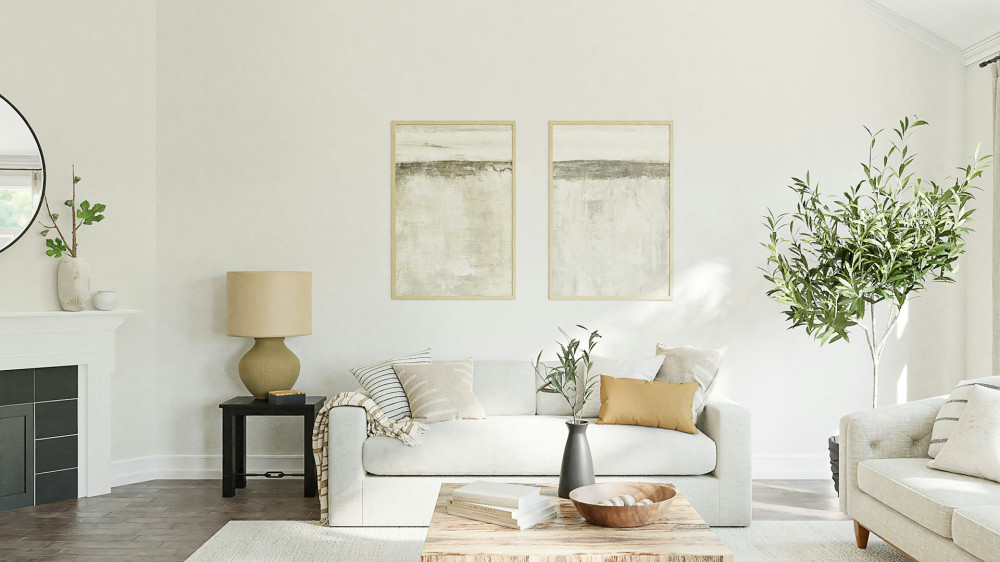
- In the living room, a large photograph can serve as a natural focal point.
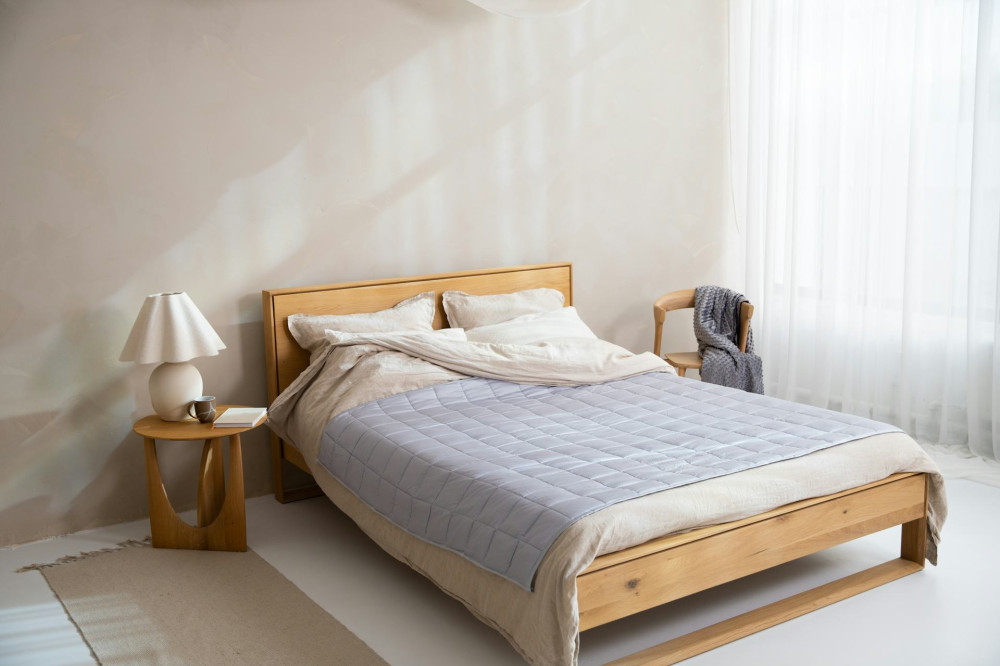
- In the bedroom, softer, more contemplative images can create calm and intimacy.
- In the hallway or home office, smaller photos arranged in a series can add rhythm and energy.
Lighting is key. Avoid direct sunlight, which can fade colors, and use spotlights or wall lamps to highlight your artwork.
Photo art deserves to be seen—and to become part of the room’s atmosphere.
A Living Home with an Eye for Time
Decorating with photo art isn’t just about aesthetics; it’s about creating a home that tells your story and reflects how you see the world. Photography reminds us that time moves on, but also that every moment holds beauty.
When you surround yourself with images that capture change, your home becomes a place where past, present, and future meet—in a quiet dialogue between light, life, and memory.
Læs også: