Hang Pictures That Tell Your Story

Hang Pictures That Tell Your Story
A home without pictures can feel empty – like a room without a voice. Art, photographs, and prints are more than decoration; they’re visual stories about who you are and what you love. When you hang pictures, you have the chance to create a personal narrative that reflects your memories, values, and dreams. Here’s how to use your walls to tell your story.
Start with Your Personal Narrative
Before you pick up a hammer, take a moment to think about what you want your walls to say. Do you want to highlight your love of travel, your family’s history, or your passion for art and design?
Gather pieces that mean something to you – vacation photos, inherited artwork, posters from concerts, or prints that simply make you happy. As you lay them out, you’ll often notice a theme or mood that connects them. That thread is what makes your wall uniquely yours.
Balance Colors and Styles
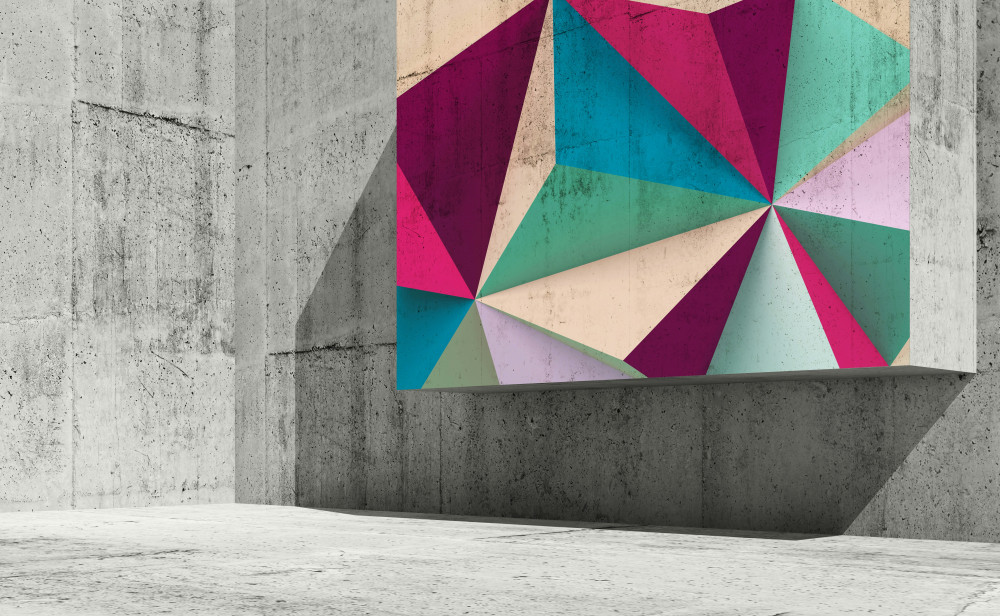
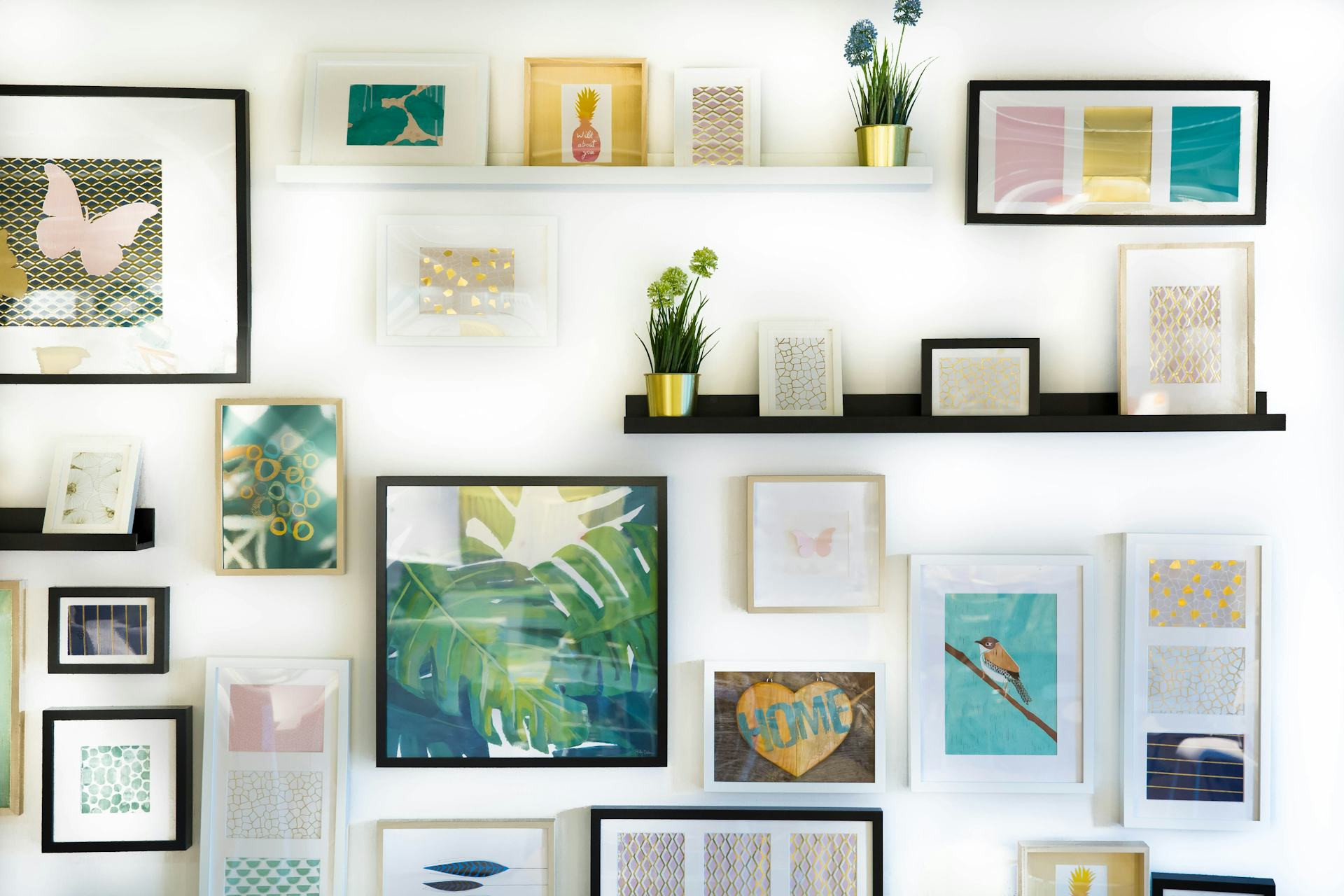
Hanging pictures isn’t just about the images themselves – it’s also about how colors, shapes, and sizes work together. A simple rule of thumb is to choose a color palette that repeats across several pieces. This creates a sense of calm and cohesion.
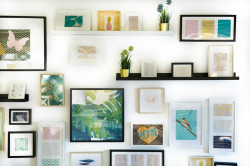
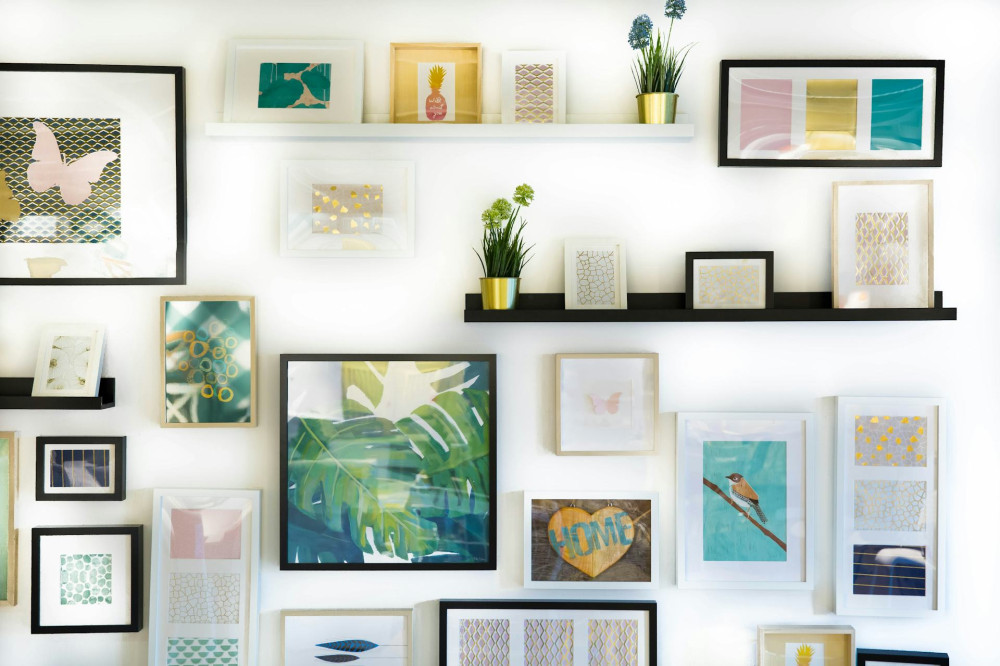
If your collection includes a mix of styles, you can bring harmony by using matching frames or mats. On the other hand, if you prefer a more playful, eclectic look, mix frame styles and finishes. The key is to make the overall composition feel balanced and intentional.
Tell Your Story in Chapters
Think of your wall as a visual autobiography told in chapters. One section might celebrate your travels, another your family, and another your creative side. This approach turns your wall into a living scrapbook of your life.
Don’t be afraid to mix media – combine photographs, paintings, prints, and even small three-dimensional pieces like woven textiles or ceramics. The variety adds depth and makes your story more dynamic.
Læs også:

Placement and Flow
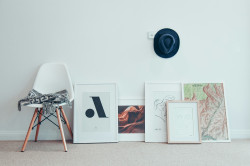
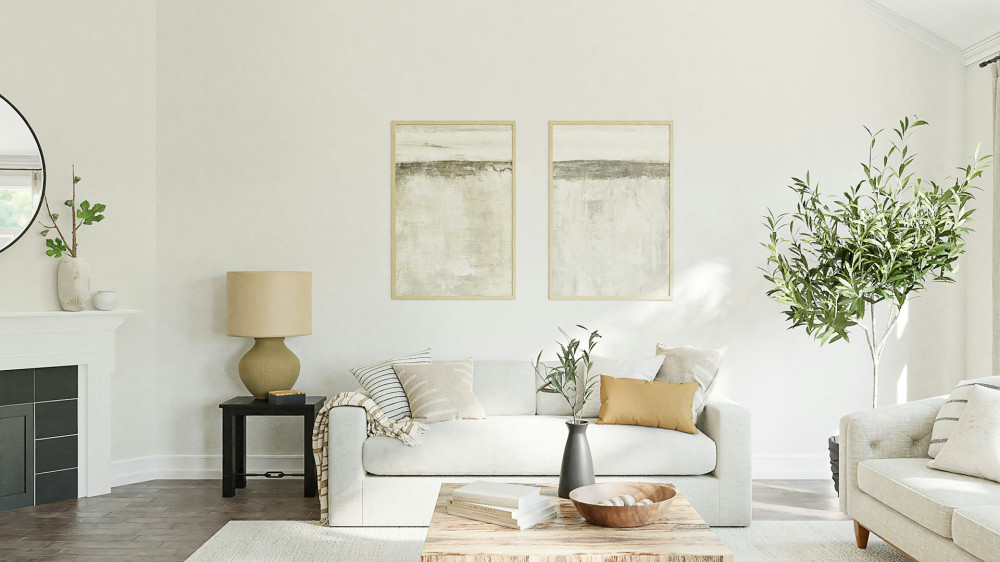
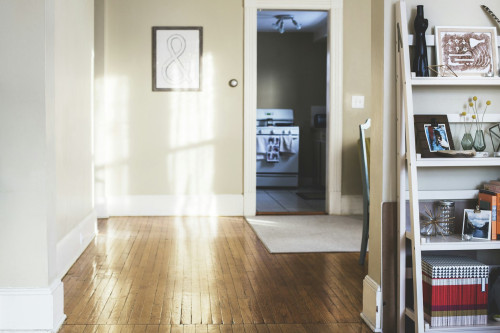
How you arrange your pictures affects how they’re experienced. A classic approach is to align them along a central line – either horizontal or vertical – and build outward. This creates a calm, balanced look.
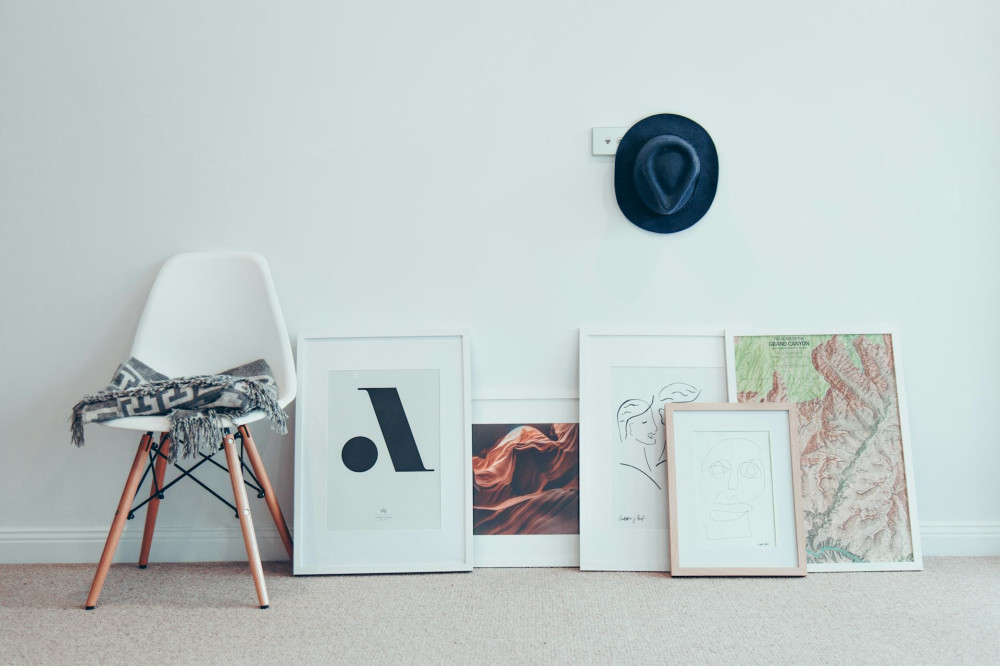
If you want more energy and movement, hang pictures at staggered heights. It takes a bit more planning, but the result can feel lively and spontaneous. Try laying your arrangement out on the floor first to experiment before committing to nails or hooks.
Light and Atmosphere
Lighting can transform how art looks. A photograph that feels subtle in daylight might glow under warm evening light. Pay attention to how natural and artificial light interact in your space, and consider adding picture lights or spotlights to highlight key pieces.
Natural light is beautiful, but direct sunlight can fade colors over time. If you have valuable or sentimental pieces, protect them with UV-filtering glass or hang them where the sun doesn’t hit directly.
Leave Room for Change
Your home evolves, and your walls should too. Make space for change – swap out pictures as your life, interests, or style shifts. Maybe you’ll add new travel photos, a child’s artwork, or a print that captures a new chapter in your life. Treat your wall as a living project that grows with you.
Your Story on the Wall
In the end, hanging pictures isn’t about following strict design rules. It’s about creating a space that feels like you. Each wall can become a reflection of your personality – a place where your experiences, emotions, and aesthetic choices come together. That’s when art becomes more than decoration: it becomes your story, told in frames and color.
Læs også: