Outdoor Lighting with Care – How to Integrate Switches Elegantly


Outdoor Lighting with Care – How to Integrate Switches Elegantly
Outdoor lighting is about more than safety and functionality—it’s also about atmosphere, aesthetics, and thoughtful design. The right fixtures can highlight your home’s architecture, create cozy corners on the patio, and make it easier to move around after dark. Yet, switches and controls are often an afterthought. With a well-planned approach, you can integrate them seamlessly so they’re both practical and visually harmonious.
Plan Lighting as Part of the Whole
Before choosing fixtures and switches, think about how you use your outdoor spaces. Where do you spend the most time? Where do you want to create ambiance? And where is bright, functional light most important?
Sketch a simple layout of your yard, patio, and entryways, marking where you’d like lighting. Then consider how you’ll control it—will everything be operated from one central point, or do you want separate zones that can be adjusted independently?
By planning the controls early, you can avoid visible wiring, awkward switch placement, and solutions that don’t fit your daily routine.
Choose the Right Type of Switch
There are many ways to control outdoor lighting, and the best choice depends on your needs, style, and level of convenience.
- Traditional wall switches – A simple, reliable option that can be placed discreetly near doors or on exterior walls. Choose finishes and colors that blend with your home’s design.
- Timers – Set lights to turn on and off automatically at specific times. This is especially useful when you’re away and helps save energy.
- Dusk-to-dawn sensors – These detect natural light levels and switch lights on at sunset and off at sunrise, requiring minimal attention.
- Motion sensors – Ideal for driveways, walkways, and back doors, where lights should activate only when movement is detected.
- Smart home integration – Wireless systems let you control lighting through an app or voice commands. You can even create “scenes” that turn on multiple lights at once for entertaining or security.
Combining different control types—such as motion sensors at the entry and manual switches on the deck—gives you both convenience and flexibility.
Hide the Hardware, Highlight the Design
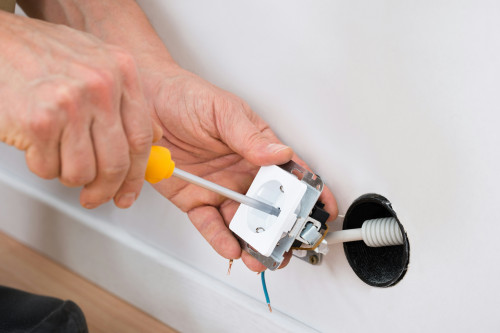
An elegant installation often means the technology doesn’t steal the spotlight. Choose switches and boxes that complement your home’s style, and place them where they’re easy to reach but not visually dominant.
- Install switches in shaded areas or under eaves to protect them from weather exposure.
- Use low-profile or flush-mounted models for a clean, modern look.
- Consider multi-function units that combine lighting control with an outlet to reduce visible components.
If you have a wall, fence, or post structure, integrate switches into it so they become a natural part of the environment.
Prioritize Safety and Durability
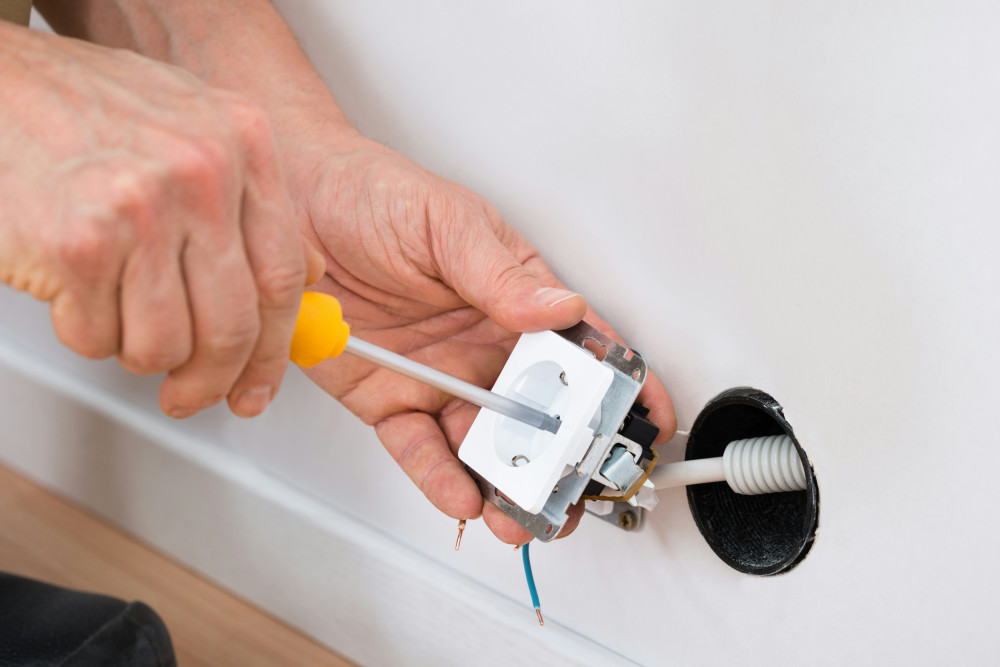
Outdoor electrical work requires materials and installation methods designed for the elements. Make sure all components are rated for outdoor use (look for UL-listed products with weather-resistant or “wet location” ratings) and that wiring and connections are properly sealed against moisture.
It’s always wise to hire a licensed electrician. They can ensure the installation meets local building codes, is safely grounded, and functions reliably for years to come.
Læs også:



Create Atmosphere with Lighting Zones
Once the technical setup is complete, you can focus on the creative side. Divide your outdoor space into zones—such as driveway, patio, pathways, and landscaping—and give each its own lighting personality.
- Use warm, dimmable light around seating areas for a welcoming glow.
- Choose neutral or bright light near entrances and steps for visibility and safety.
- Highlight trees, shrubs, or architectural features with spotlights to add depth and visual interest.
With separate switches or smart controls, you can turn on just the lights that suit the moment—whether you’re hosting friends or enjoying a quiet evening outdoors.
Light with Care
Outdoor lighting should be beautiful, functional, and environmentally responsible. Avoid excessive brightness that disturbs neighbors or wildlife, and opt for energy-efficient LED fixtures. Motion sensors and timers help reduce energy use without sacrificing comfort.
When you plan with care, you create an outdoor lighting environment that’s cohesive, inviting, and sustainable—where every switch feels like a natural part of the design rather than an afterthought.
Læs også: