Minimalist Lighting: How to Create Calm and Balance in Your Home


Minimalist Lighting: How to Create Calm and Balance in Your Home
In a world filled with constant noise, color, and clutter, many Americans are turning toward minimalism to find peace at home. Minimalist lighting isn’t just about sleek design—it’s about creating balance, mindfulness, and a sense of calm. The way you light your home affects both mood and well-being, and with thoughtful choices, you can transform your space into a serene retreat.
Light as a Mood Setter
Light does more than illuminate—it shapes how we experience a room. In minimalist design, lighting plays a crucial role in supporting simplicity rather than competing with it.
Choose fixtures with clean lines and natural materials like glass, metal, or wood. Avoid ornate details and focus on quality over quantity. A single, well-placed light source can often do more for atmosphere than several competing lamps.
Balancing Function and Aesthetics
Minimalist lighting is about finding harmony between practicality and beauty. Think about how you use each space and tailor the lighting accordingly.
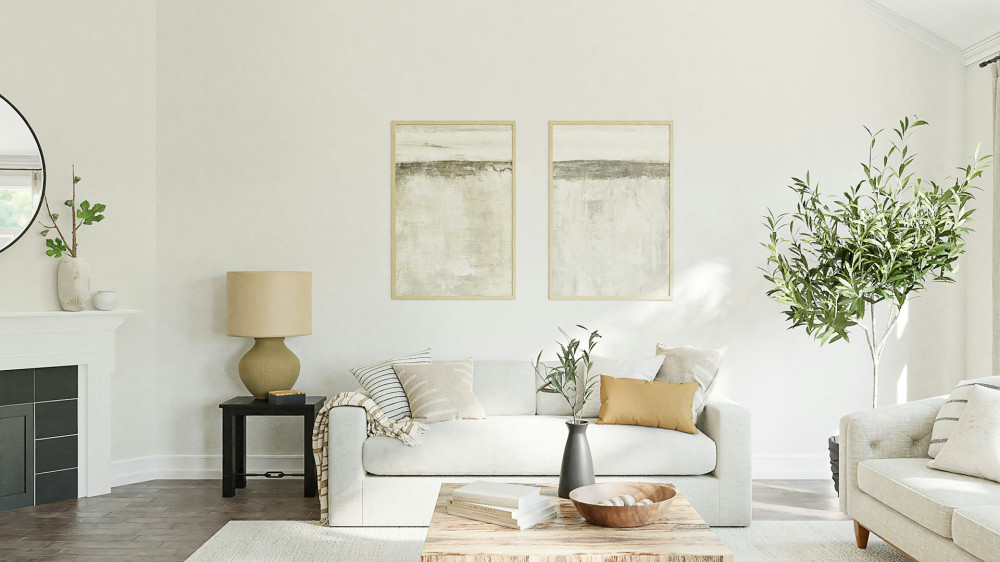
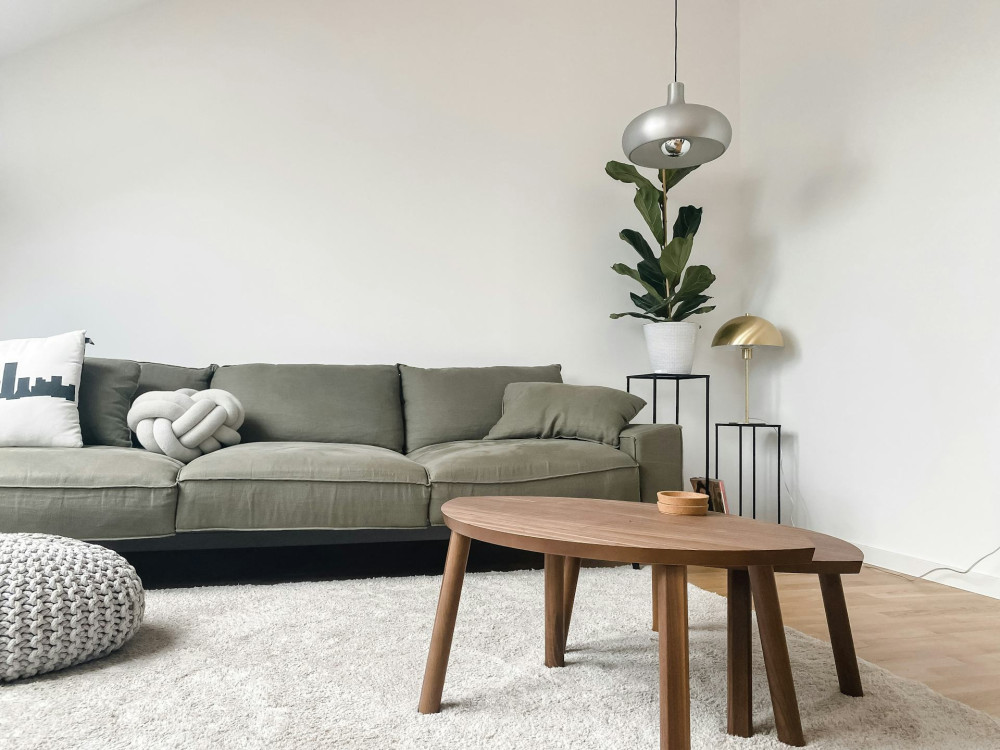
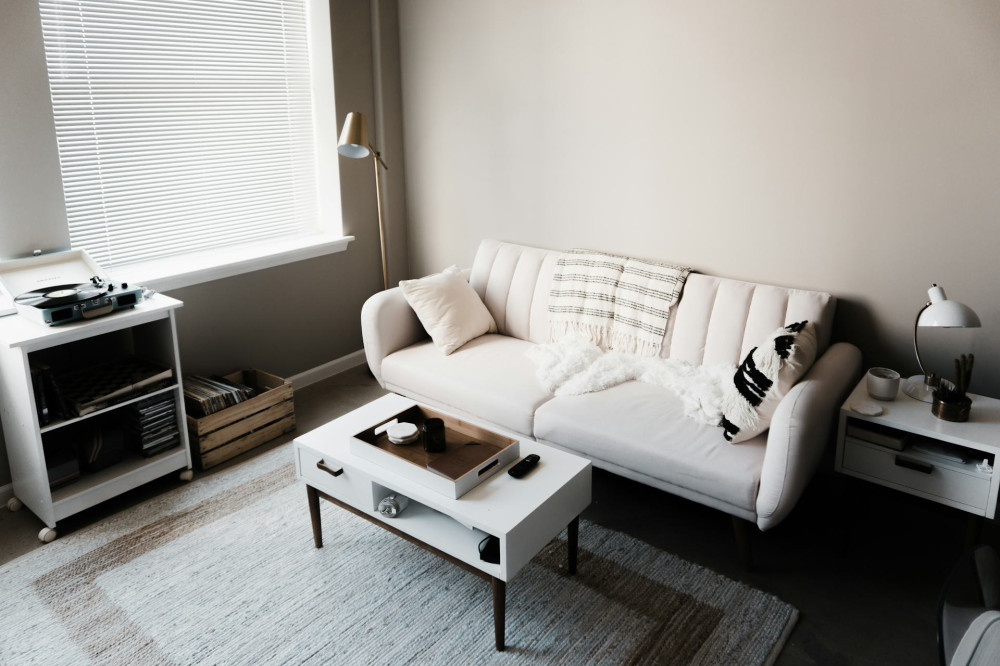
- Living room: Combine a soft, diffused ceiling light with a subtle floor lamp to add warmth and depth.
- Kitchen: Opt for bright, focused task lighting that blends seamlessly with your cabinetry and finishes.
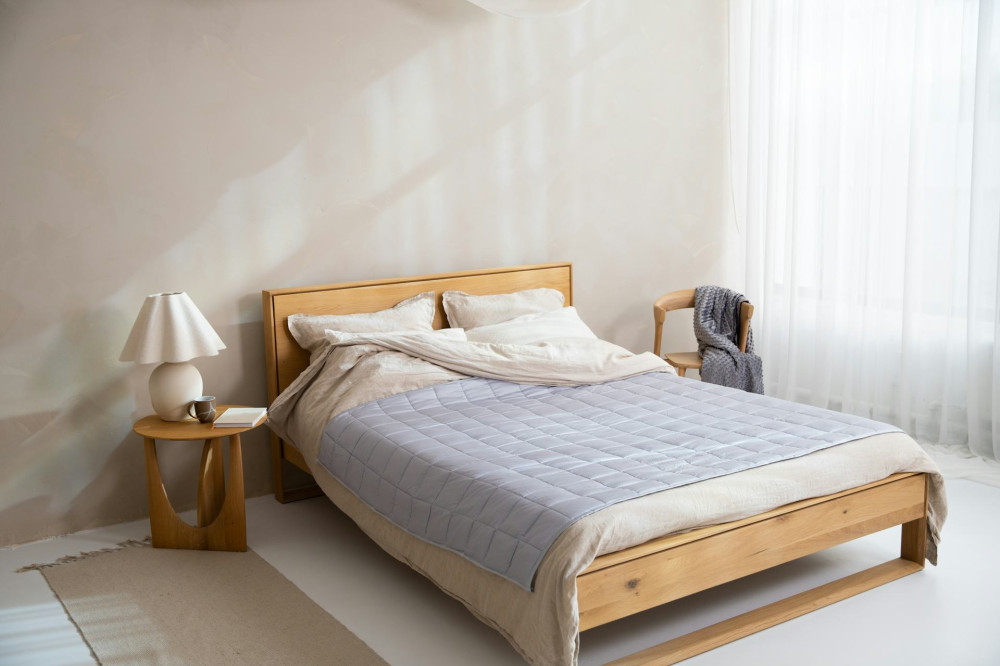
- Bedroom: Choose dimmable lights that can shift from bright morning light to a gentle evening glow.
Layering your lighting—ambient, task, and accent—creates flexibility without cluttering the visual space.
Embrace Natural Light
The most soothing light comes from nature. Maximize daylight by keeping windows clear of heavy drapes and using mirrors to reflect sunlight deeper into the room. When evening comes, supplement with artificial light that mimics the warmth and softness of natural light.
LED bulbs with adjustable color temperature are a smart choice. Cool white light can energize your mornings, while warm amber tones help you unwind at night.
Fewer Fixtures, Greater Impact
In minimalist lighting, “less is more” truly applies. Instead of filling a room with multiple small lamps, choose a few statement pieces that serve both as light sources and design elements. A pendant over the dining table, a wall sconce by your reading chair, or a hidden LED strip along a shelf can add character without visual clutter.
Let the light highlight your home’s architecture and textures rather than overwhelm them. Fewer, well-chosen fixtures create a cohesive and tranquil atmosphere.
Læs også:




Dimming and Smart Control
A minimalist home should adapt to your lifestyle. Dimmable bulbs and smart lighting systems allow you to shift from bright task lighting to a relaxed evening ambiance with ease. Wireless dimmers or app-based controls make it simple to adjust brightness without adding extra switches or cords.
Consider grouping lights by zone so you can control multiple fixtures at once. This helps maintain balance and prevents harsh contrasts between bright and dark areas.
Serenity Through Simplicity
Ultimately, minimalist lighting is about creating calm—visually and emotionally. When light is intentional and uncluttered, your home becomes a place of focus and rest. It’s not about having less, but about choosing with care.
A single beam of soft light across a wall can be enough to set the mood. In simplicity, you’ll find balance—and in balance, a sense of peace that makes your home truly your own.
Læs også: