Avoid Dangerous DIY Electrical Work

Avoid Dangerous DIY Electrical Work
It can be tempting to grab your toolbox and fix a loose outlet or add a new light fixture yourself. But when it comes to electrical work, a small mistake can have serious consequences. Faulty wiring can cause fires, electric shocks, or even fatal injuries. Here’s a guide to help you understand when it’s safe to handle minor electrical tasks—and when you should call a licensed electrician.
Why Electrical Work Requires Special Knowledge
Electricity isn’t like painting a wall or assembling furniture. It’s invisible, powerful, and unforgiving if handled incorrectly. Even a loose connection or the wrong wire gauge can lead to overheating, short circuits, or fire hazards.
In the United States, electrical work is regulated by the National Electrical Code (NEC), which sets safety standards for all installations. Local building codes often add their own requirements. These rules exist to protect you, your family, and your property.
What You Can Safely Do Yourself
There are a few small electrical tasks that most homeowners can safely perform—provided you take proper precautions:
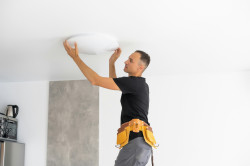
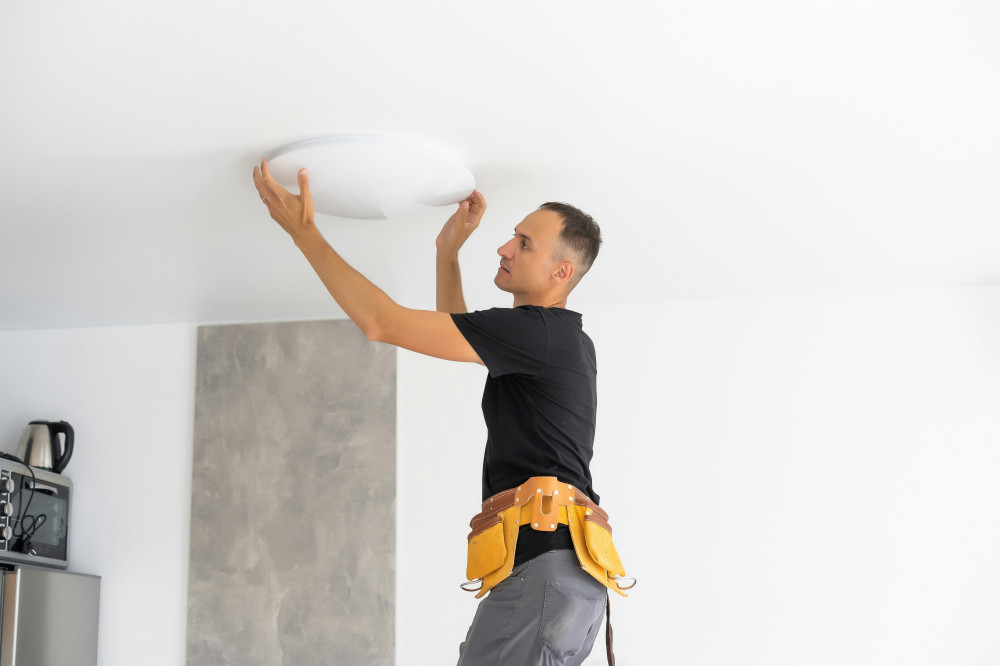
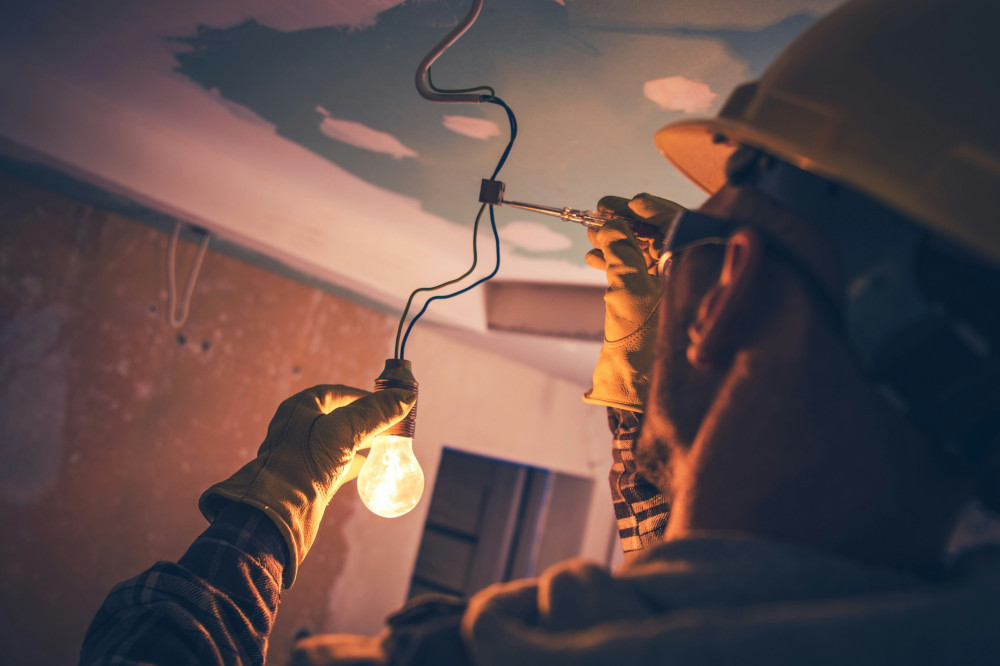
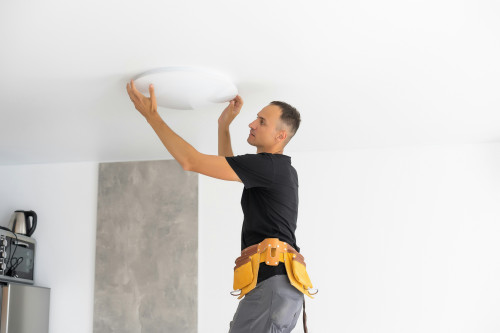
- Replace a light bulb or fixture, as long as the wiring and junction box are already in place.
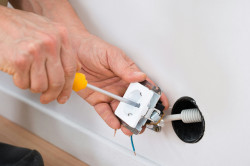
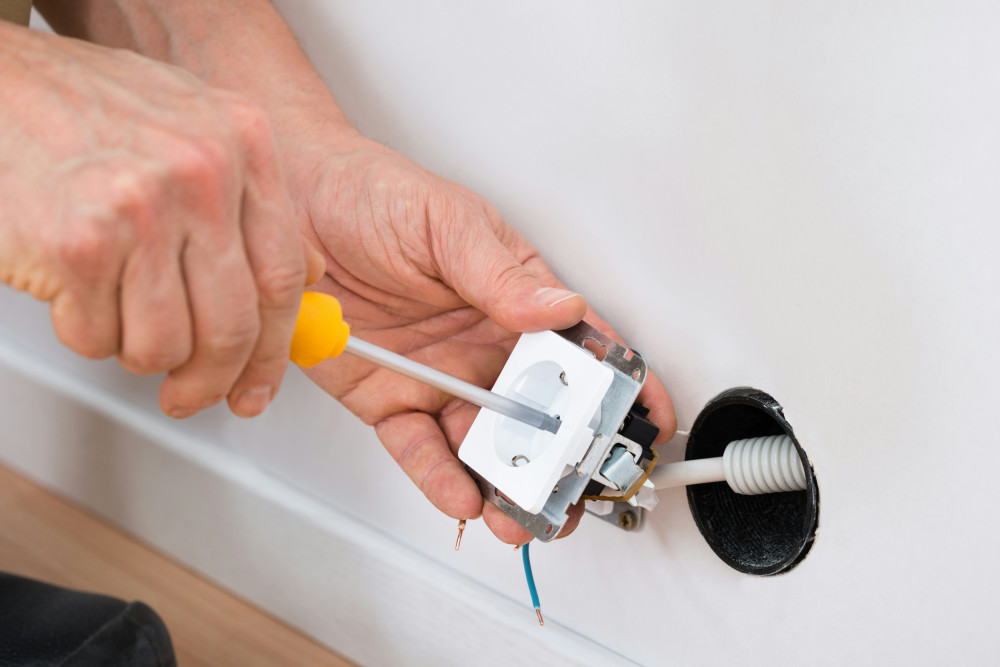
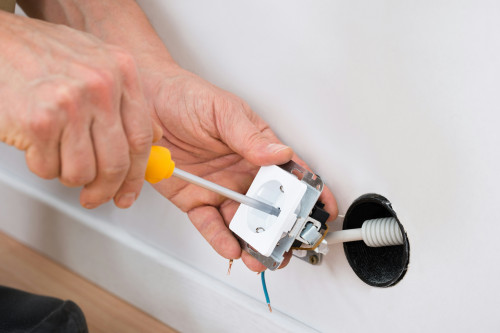
- Swap out a switch or outlet cover plate, or replace a damaged outlet with an identical one.
- Reset a tripped circuit breaker or replace a blown fuse.
- Plug in appliances that are designed for standard outlets.
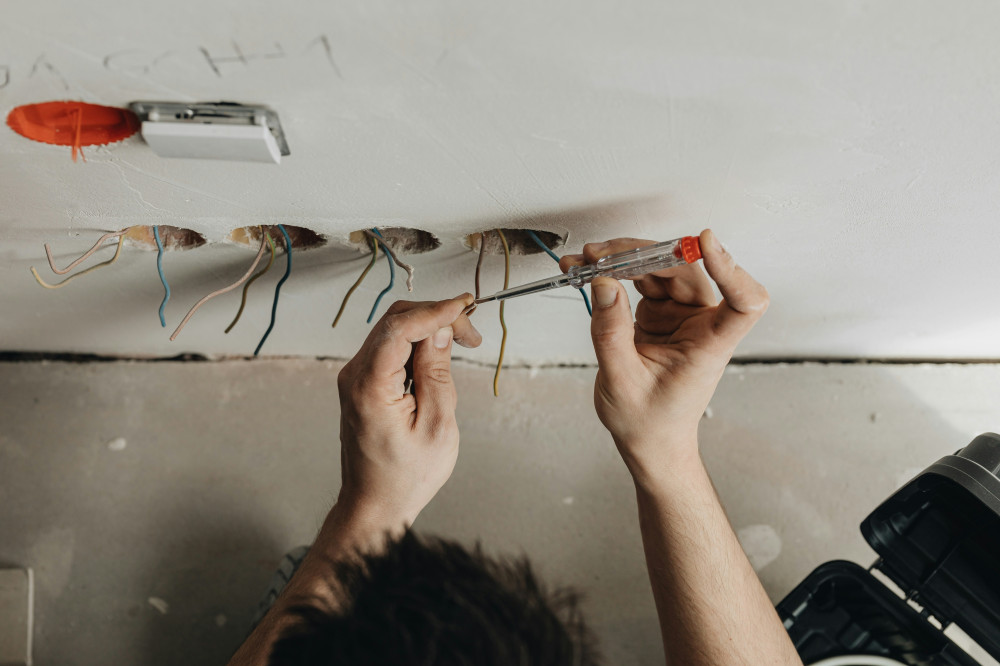
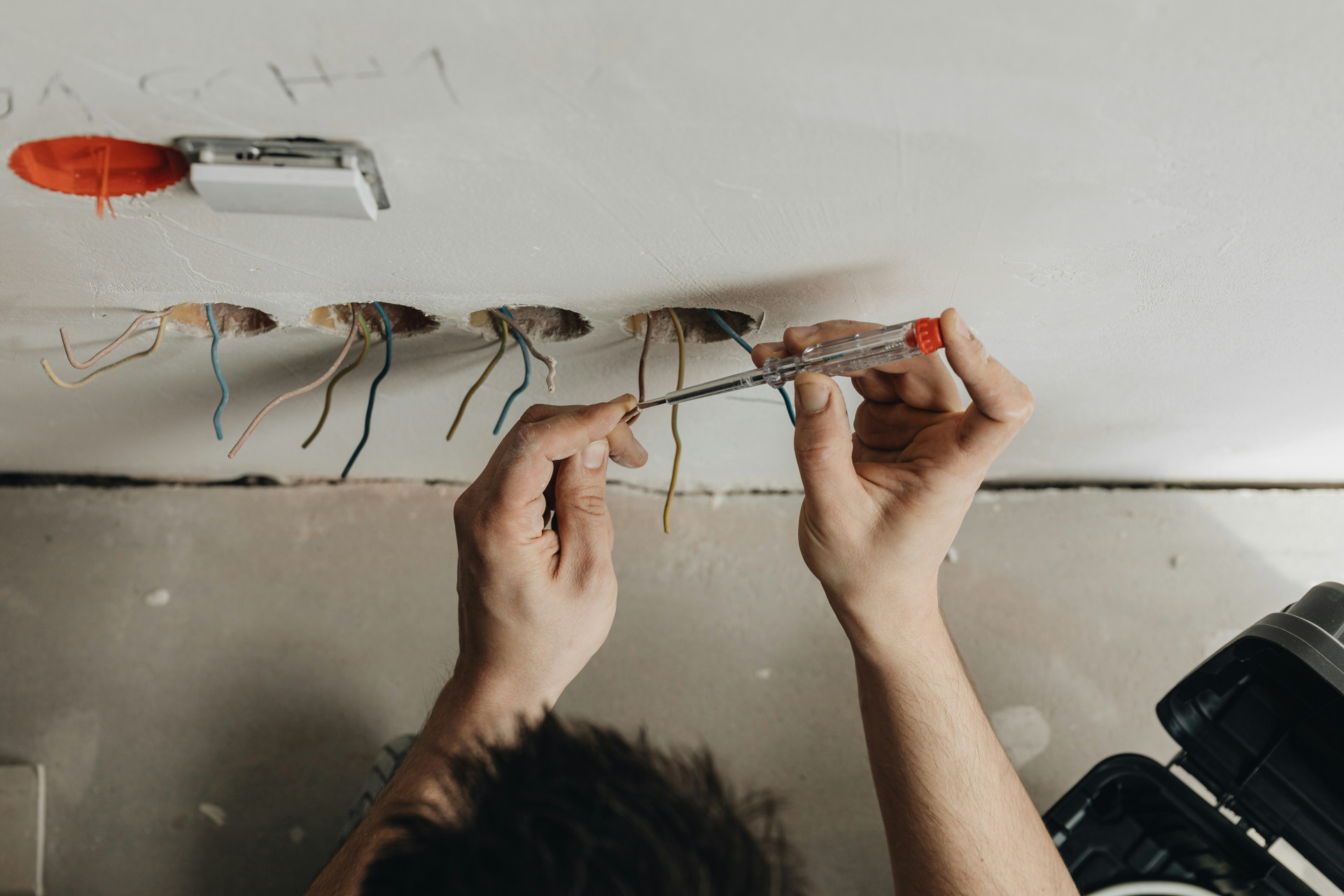
Even for these simple jobs, always turn off the power at the breaker panel, use insulated tools, and double-check that the circuit is dead before touching any wires.
What You Should Leave to a Licensed Electrician
Any work that involves modifying your home’s wiring system should be done by a licensed professional. This includes:
- Installing new outlets, switches, or light fixtures where none existed before.
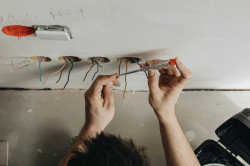
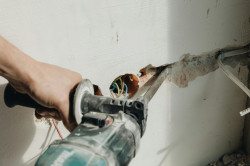
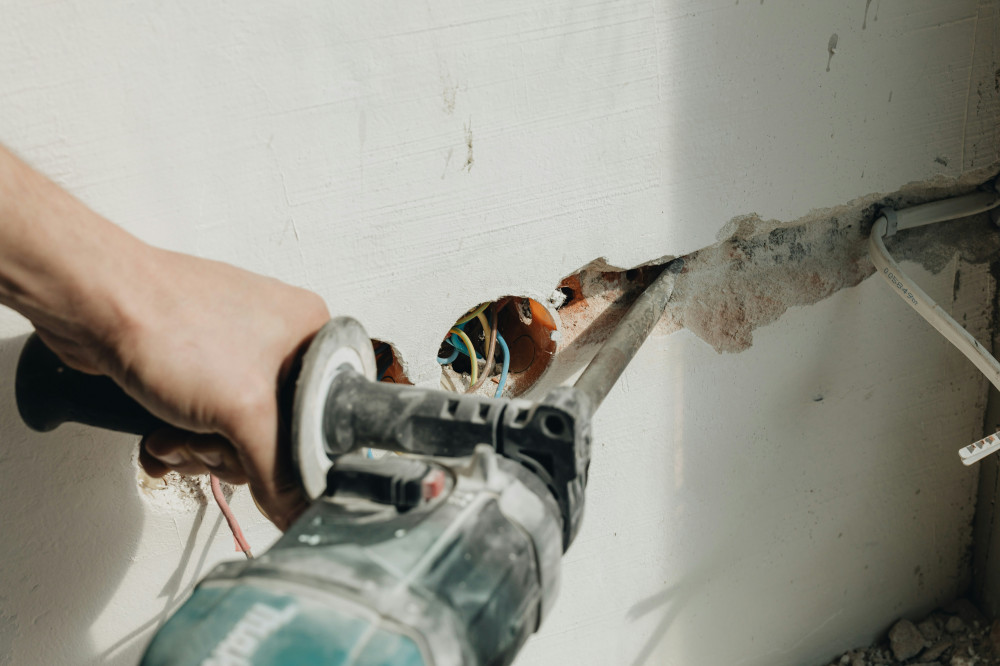
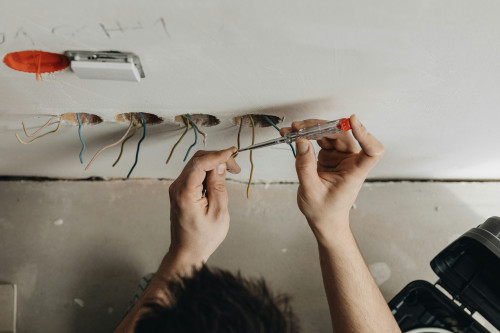
- Running new wiring or extending existing circuits.
- Working inside the electrical panel or upgrading your service.
- Installing outdoor wiring, hot tubs, or EV charging stations.
- Rewiring older homes to meet modern safety standards.
These tasks require technical expertise, testing equipment, and knowledge of local codes. Doing them yourself can not only be dangerous—it can also void your homeowner’s insurance or fail a home inspection.
Common DIY Electrical Mistakes
Many electrical fires and accidents start with well-intentioned but unsafe DIY work. Some of the most frequent errors include:
- Using the wrong wire size, which can cause overheating.
- Improperly connecting wires with tape instead of approved wire connectors.
- Overloading outlets or power strips with too many devices.
- Failing to ground outlets properly, increasing shock risk.
- Hiding splices behind walls or ceilings, making future inspection impossible.
These mistakes may not cause immediate problems, but over time they can lead to serious hazards.
When to Call an Electrician
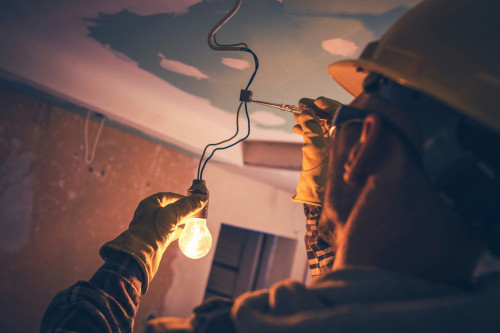
If you’re unsure about any part of an electrical project, it’s best to call a licensed electrician. A professional can quickly determine what’s safe for you to do and what requires expert handling. They’ll ensure the work meets code, passes inspection, and keeps your home safe.
While hiring an electrician may seem expensive, it’s an investment in safety and peace of mind. Properly installed wiring lasts for decades and helps prevent costly damage or injury.
How to Keep Your Electrical System Safe
Even if you don’t perform electrical work yourself, you can still take steps to maintain a safe home:
- Inspect outlets and switches regularly for heat, discoloration, or loose parts.
- Avoid using extension cords as permanent wiring—install additional outlets instead.
- Use UL-listed products and avoid cheap, uncertified electrical items.
- Schedule an electrical inspection, especially if your home is older or you’ve recently purchased it.
An inspection can uncover hidden issues before they become dangerous—and it’s often more affordable than you might think.
Læs også:
Safety First—Always
DIY projects can be rewarding, but electricity is one area where caution should always come first. A single spark in the wrong place can have devastating results. By knowing your limits and calling a professional when needed, you’ll protect yourself, your loved ones, and your home.
Læs også: