Self-Sufficient Homes: The Sustainable Heating of the Future

Self-Sufficient Homes: The Sustainable Heating of the Future
Imagine a home that generates its own energy, stays warm through the coldest winters without relying on fossil fuels, and dramatically reduces its carbon footprint. It may sound futuristic, but for many American homeowners, this vision is already becoming reality. Self-sufficient homes are emerging as a cornerstone of sustainable living, where technology, design, and environmental responsibility work together to create a new standard for comfort and efficiency.
What Does It Mean to Be Self-Sufficient?
A self-sufficient home is designed to meet most—or even all—of its own energy needs for electricity, heating, and hot water. This is achieved through a combination of renewable energy sources such as solar, wind, and geothermal power, along with smart systems that manage energy use efficiently.
The goal isn’t necessarily to disconnect completely from the grid, but to create a home that can operate independently most of the time and even feed excess energy back into the system. The result is a home that’s both economically and environmentally sustainable.
The Sun as the Main Source of Heat
Solar energy plays a central role in most self-sufficient homes. Rooftop solar panels generate electricity, while solar thermal systems can heat water for domestic use or radiant floor heating. In many parts of the U.S.—from sunny Arizona to the Carolinas—solar energy can cover nearly all heating needs during the warmer months. Excess electricity can be stored in batteries or sent back to the grid through net metering programs.
During the winter, when sunlight is limited, solar systems are often supplemented by other technologies such as heat pumps or biomass heating systems.
Heat Pumps: Harnessing Nature’s Energy
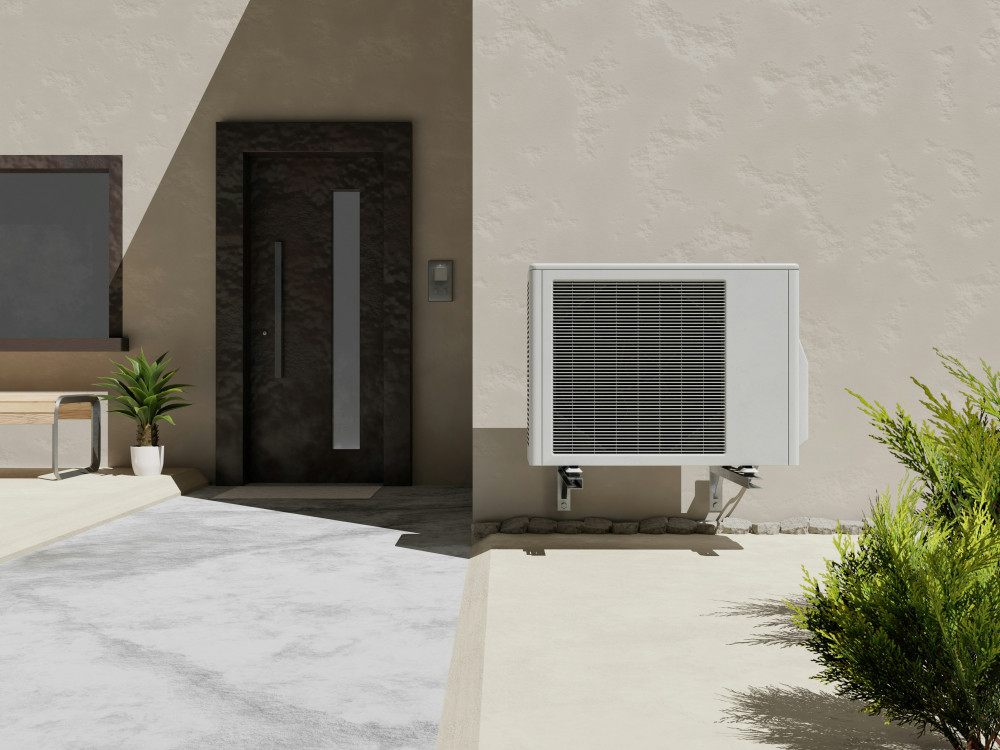
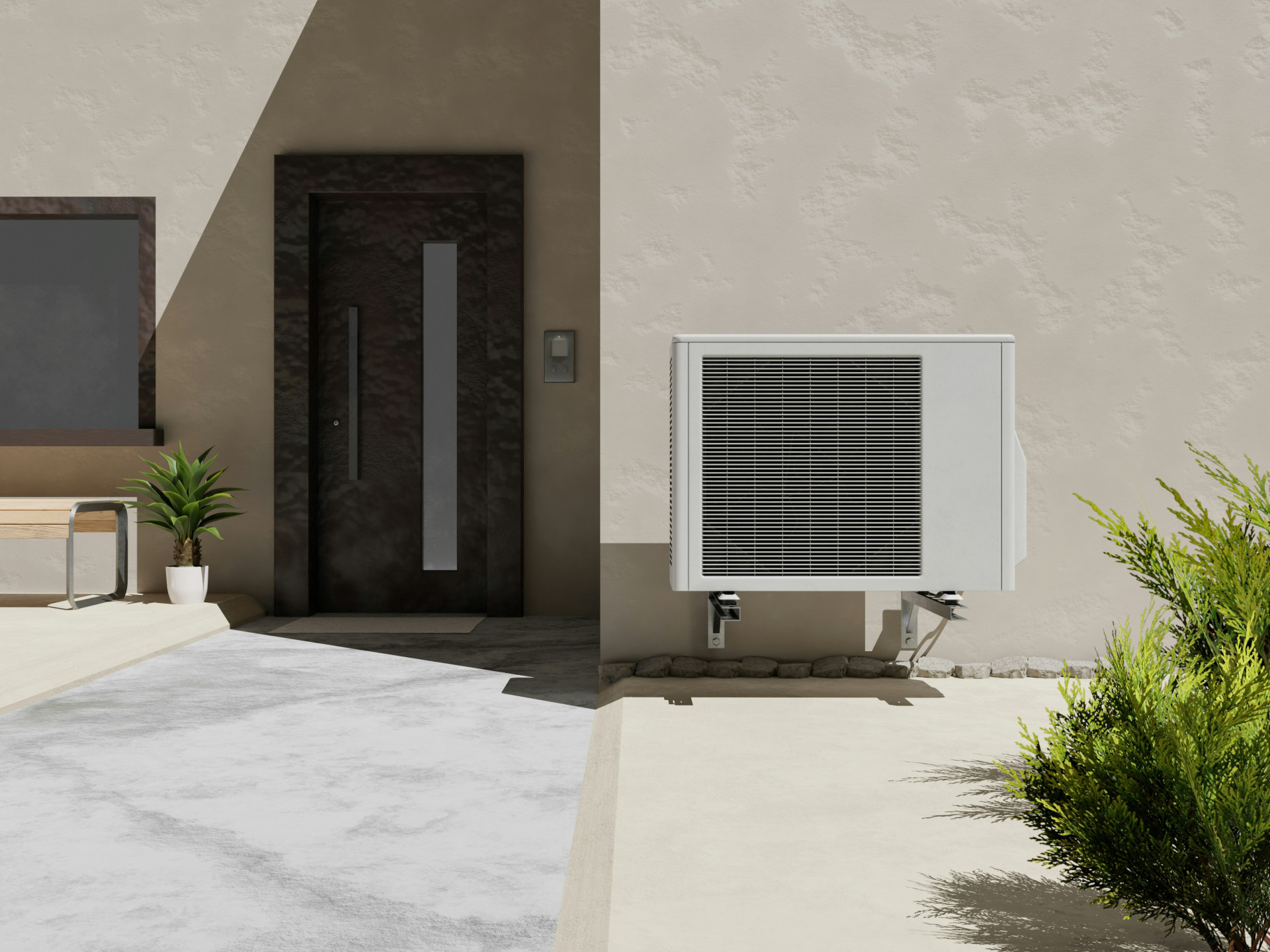
Heat pumps have become one of the most efficient and popular technologies for sustainable heating. They extract heat from the air, ground, or water and use it to warm the home. For every unit of electricity a heat pump consumes, it can deliver three to four units of heat—making it far more efficient than traditional furnaces.
When combined with solar panels, heat pumps can provide nearly fossil-free heating year-round. To maximize efficiency, homes need to be well insulated and equipped with low-temperature systems like radiant floor heating, which distribute warmth evenly and effectively.
Energy Storage – The Key to Independence
One of the biggest challenges for self-sufficient homes is storing energy for times when the sun isn’t shining or the wind isn’t blowing. This is where battery and thermal storage technologies come into play.
- Battery systems store excess electricity from solar panels for use at night or on cloudy days.
- Thermal storage—using water tanks or phase-change materials—can hold heat from solar collectors or heat pumps and release it gradually when needed.
American companies and research institutions are investing heavily in next-generation storage solutions, aiming to make energy independence more affordable and accessible for homeowners across the country.
Smart Energy Management
Self-sufficiency isn’t just about producing energy—it’s also about using it wisely. Smart home systems can monitor energy consumption in real time and adjust heating and cooling based on weather conditions, time of day, and household routines.
For example, a smart thermostat can lower the temperature when the house is empty or take advantage of off-peak electricity rates to charge batteries and heat water. These intelligent systems reduce both energy bills and environmental impact.
Læs også:


Economics and the Road Ahead
While self-sufficient homes require an upfront investment in technology and installation, the long-term savings can be substantial. With rising energy prices and federal incentives such as tax credits for solar and heat pump systems, sustainable home solutions are becoming increasingly attractive to American homeowners.
At the same time, building codes and energy standards are evolving. Many new housing developments are being designed as “net-zero” or “plus-energy” homes—properties that produce as much or more energy than they consume.
A Step Toward a Greener Future
Self-sufficient homes represent more than just a technological innovation—they embody a new way of thinking about how we live and interact with our environment. By combining renewable energy systems with smart design and responsible consumption, we can create homes that are comfortable, cost-effective, and climate-friendly.
The heat of the future won’t come from distant power plants but from the sun above our roofs, the ground beneath our feet, and the energy we generate ourselves. It’s not science fiction—it’s the beginning of a sustainable new era in American living.
Læs også: