Efficient Floor Heating During the Transitional Seasons – Here’s How

Efficient Floor Heating During the Transitional Seasons – Here’s How
When the seasons change and temperatures swing between chilly mornings and warm afternoons, keeping your home comfortable without wasting energy can be tricky. Floor heating offers a cozy and efficient solution, but during the transitional months—spring and fall—it takes a bit of fine-tuning to use it effectively. Here’s how to get the most comfort and efficiency when the weather can’t quite make up its mind.
Understand Your Floor Heating System
Start by knowing what kind of system you have. In U.S. homes, there are two main types of floor heating:
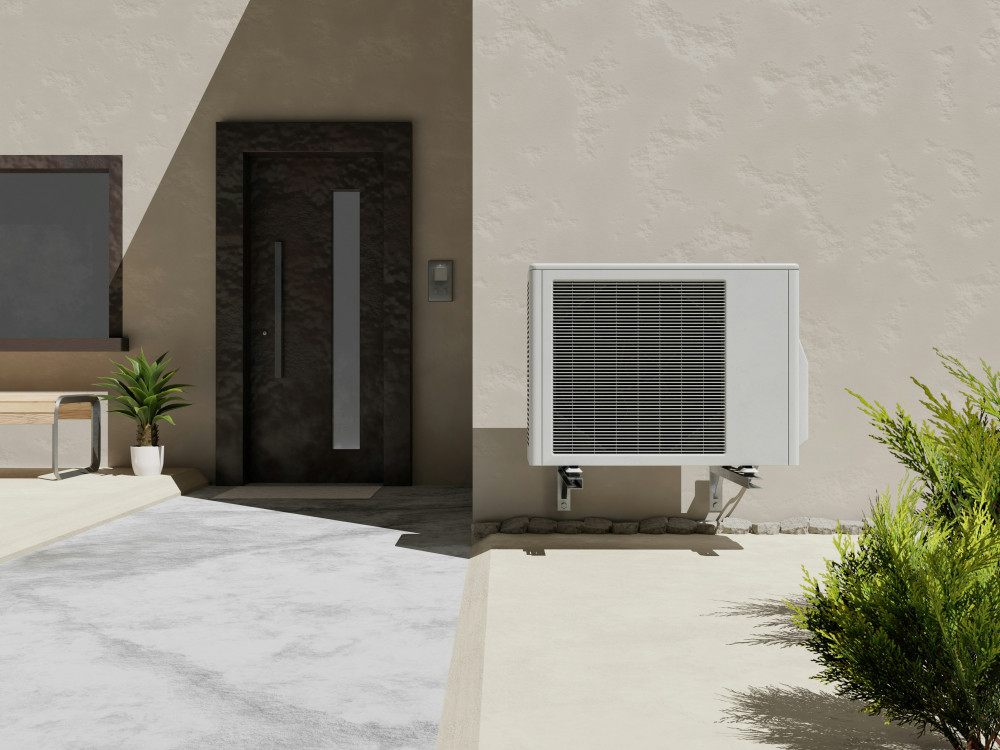
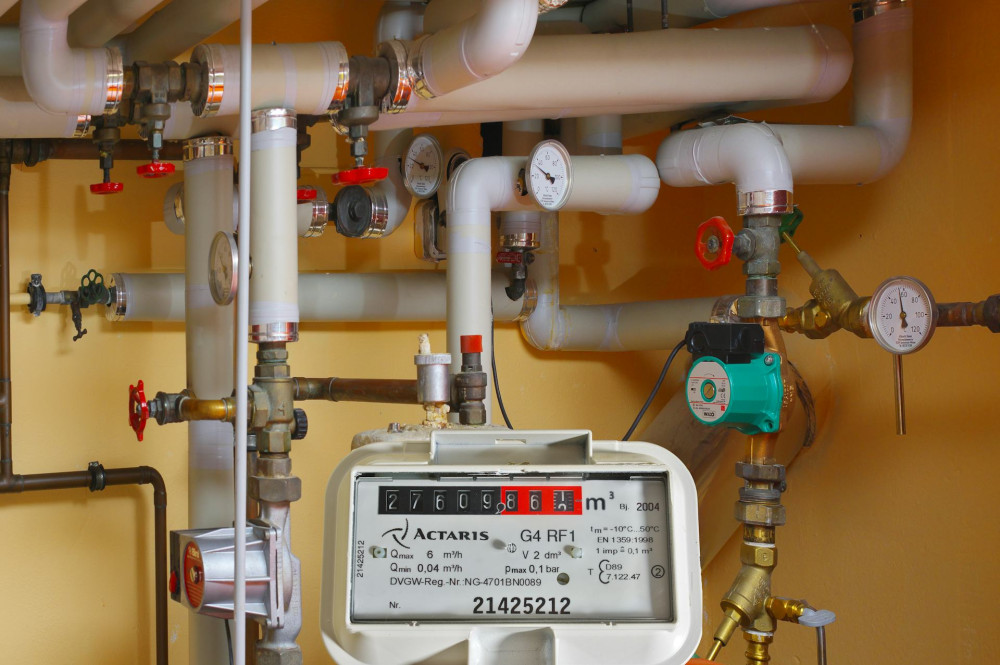
- Hydronic (water-based) systems, where warm water circulates through tubing beneath the floor. These are often connected to a boiler, water heater, or heat pump.
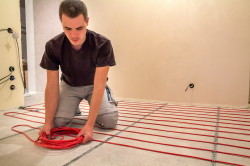
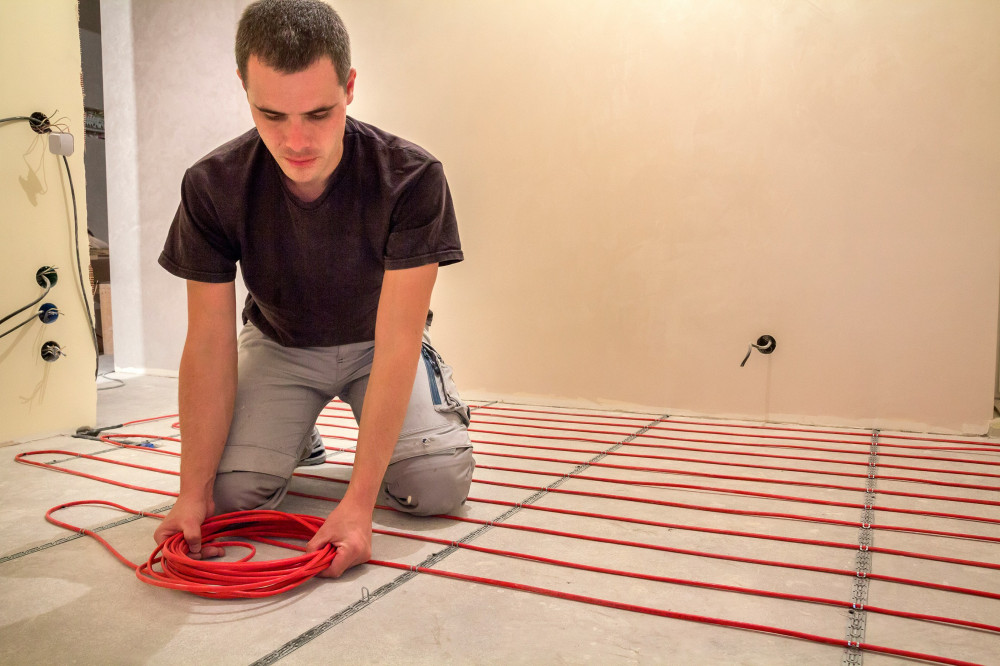
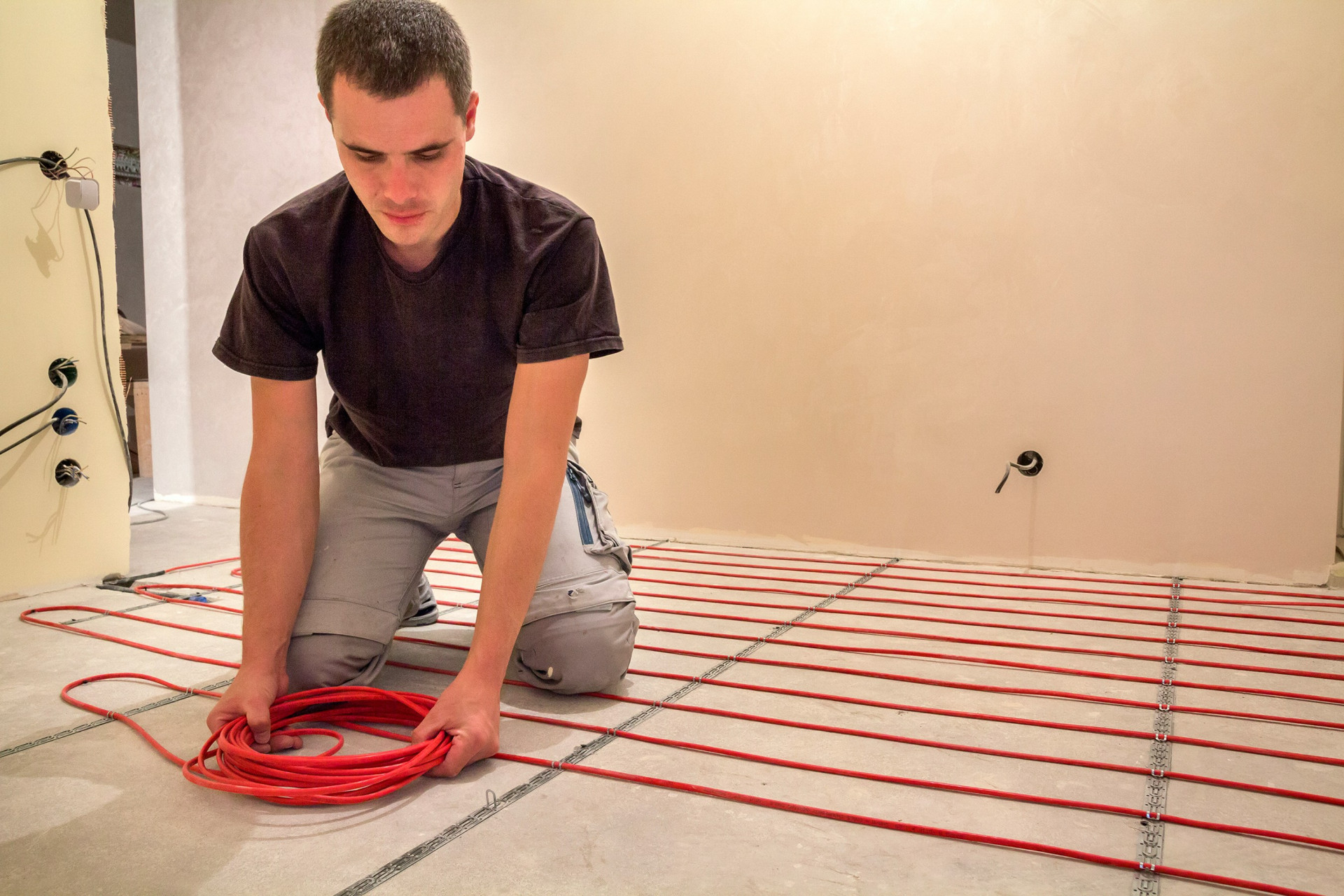
- Electric systems, which use heating cables or mats installed under the flooring.
Hydronic systems are slower to heat up but more economical to run, especially if paired with an energy-efficient heat source. Electric systems respond faster but can be more expensive if left on continuously. Understanding how quickly your system reacts and how it’s controlled is key to using it efficiently.
Adjust Temperatures Gradually
During the shoulder seasons, you rarely need full heating power. A floor surface temperature around 72–75°F usually provides comfortable warmth without wasting energy.
Avoid large temperature swings—turning the system completely off and on again forces it to work harder and use more energy. Instead, lower the temperature a few degrees when the weather warms up. This helps the system respond smoothly when cooler days return.
If you have thermostats in each room, adjust them individually. Bathrooms can stay a bit warmer, while bedrooms often feel best a few degrees cooler.
Use Smart Controls and Scheduling
Many modern floor heating systems come with programmable thermostats or smart controls that automatically adjust heat output based on your schedule or the outdoor temperature.
- Scheduling allows you to lower the temperature when you’re away or asleep and raise it again before you wake up or return home.
- Weather compensation (available on some hydronic systems) adjusts the water temperature based on outdoor conditions, preventing unnecessary energy use on mild days.
If your system doesn’t have these features, consider upgrading to a smart thermostat. Many models can be controlled via smartphone apps, giving you better comfort and energy savings.
Combine Heating with Proper Ventilation
Even though radiant floor heating provides steady warmth, fresh air is still important. During spring and fall, humidity and condensation can build up, especially in bathrooms and kitchens. Air out your home briefly but effectively—open windows wide for 5–10 minutes to create a quick cross-breeze.
Avoid leaving windows cracked open for long periods. That causes the heating system to compensate unnecessarily, increasing energy use.
Monitor Energy Use and System Performance
Keep an eye on your energy bills and how evenly your floors heat. Uneven warmth or rising energy use can signal issues such as air in hydronic lines, incorrect balancing, or a faulty thermostat.
For hydronic systems, it’s worth having a professional HVAC technician inspect the setup every couple of years. Proper pump settings and water temperature adjustments can save significant energy over a heating season.
Use Floor Heating as Supplemental Comfort
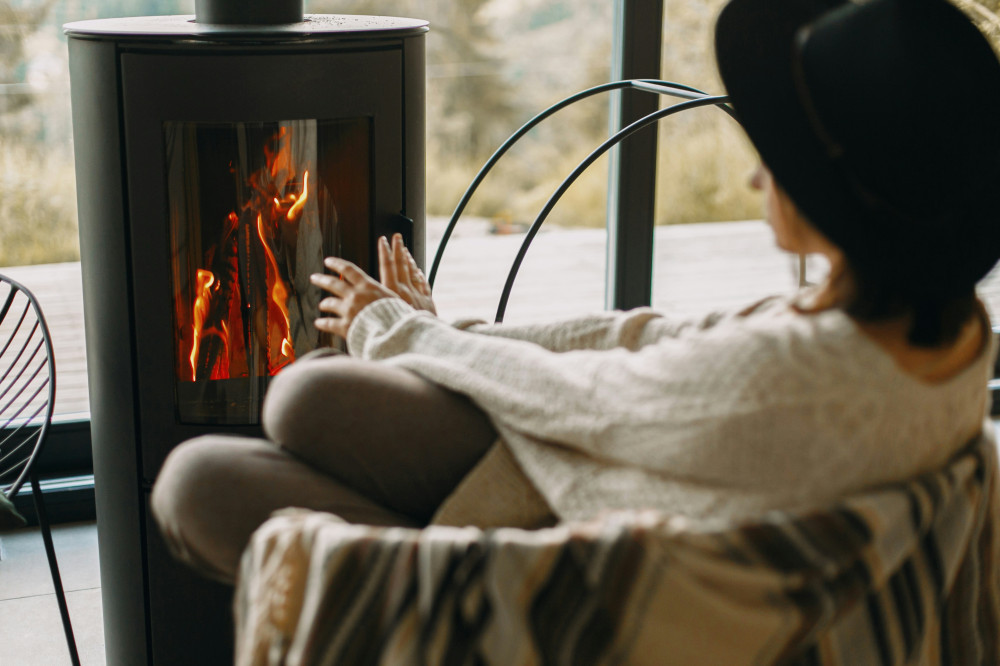
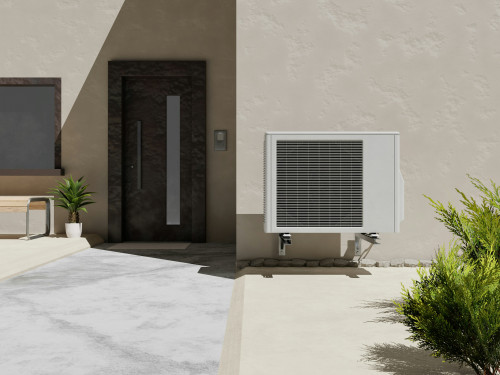
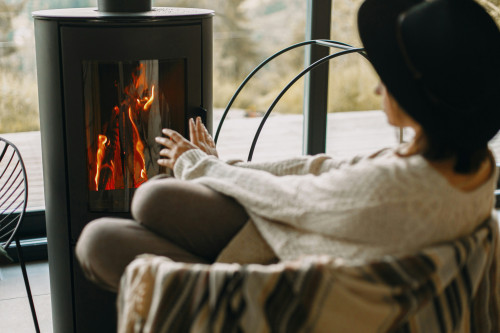
In transitional months, floor heating works best as comfort heat rather than the main heat source. If you have a heat pump, furnace, or wood stove, let those handle most of the heating load while the floor system keeps your feet warm and your rooms evenly comfortable.
This approach offers flexibility and lower energy costs—especially when outdoor temperatures fluctuate from day to day.
Læs også:
Prepare for the Cold Season
As fall turns to winter, take time to ensure your system is ready for full operation. Check that all zones are functioning properly and that thermostats respond as they should. A quick pre-season check helps you avoid cold spots and unexpected repairs once the heating season begins.
By using your floor heating system wisely during the transitional seasons, you’ll enjoy both comfort and efficiency—and a home that feels just right, no matter what the weather brings.
Læs også: