Preserve the Original Walls During Renovation

Preserve the Original Walls During Renovation
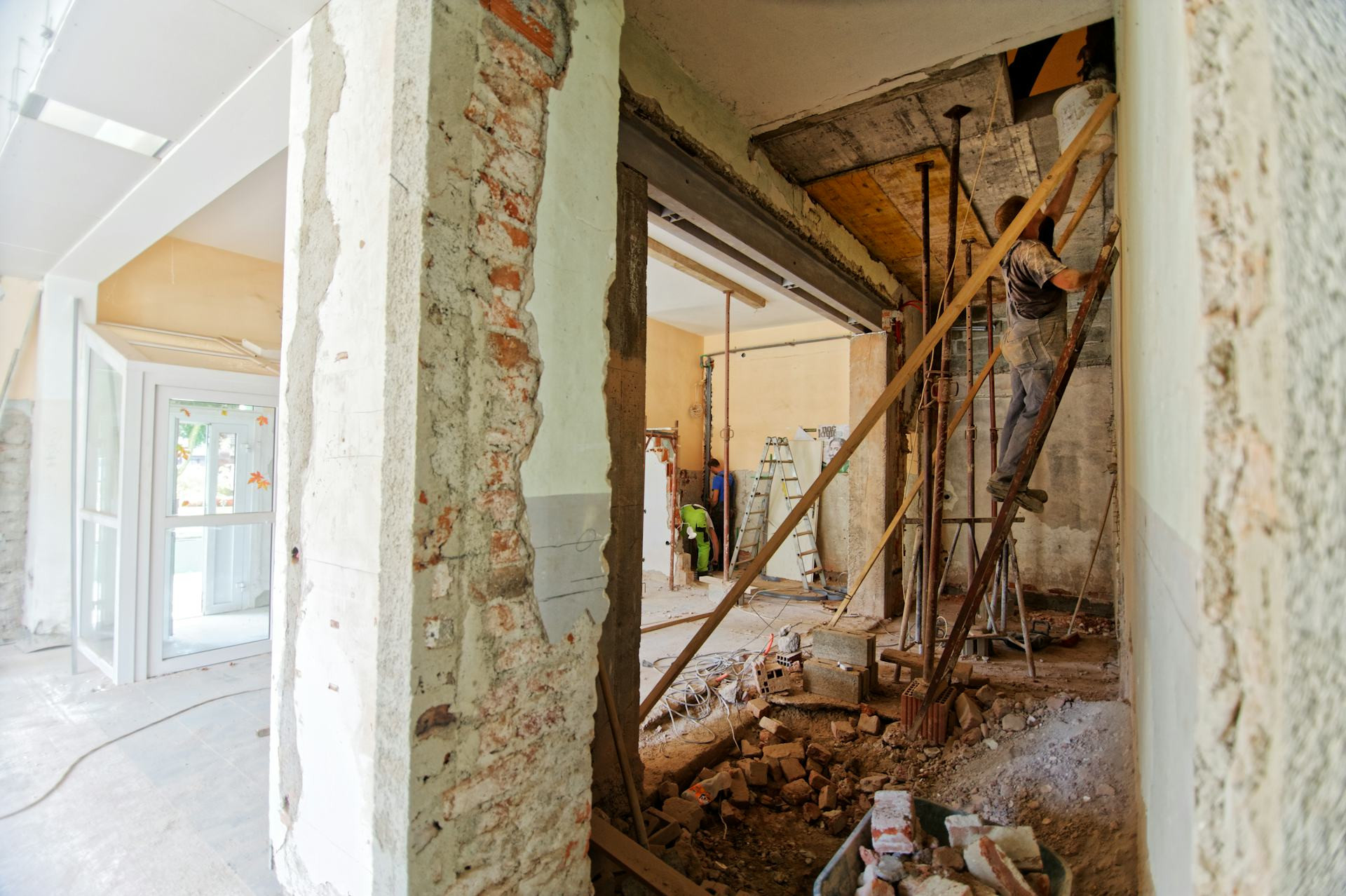
When starting a home renovation, it can be tempting to tear down walls to create open spaces, more light, and a modern layout. But the original walls often hold history, craftsmanship, and character that are worth preserving. Thinking about preservation during renovation isn’t just about aesthetics—it’s about respecting the home’s story and creating a space where old and new coexist beautifully.
The Walls Tell the Home’s Story
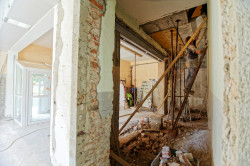
In older American homes, walls are rarely just partitions. They are part of the structure and reflect the building techniques and materials of their time. Plaster walls, lath and plaster construction, or early drywall can reveal how homes were built decades—or even centuries—ago.
By keeping the original walls, you also keep a piece of the home’s identity. Subtle imperfections, traces of old wallpaper, or exposed beams can add warmth and authenticity that new drywall can’t replicate.
Assess the Function and Condition of the Walls
Before deciding which walls to preserve, it’s important to understand their role. Some walls are load-bearing and cannot be removed without significant structural work, while others are simple partitions.
A licensed contractor or structural engineer can help determine which walls are essential to the home’s stability and how they might be reinforced if you want to open up a space. At the same time, check the condition of the walls—issues like moisture, cracks, or uneven surfaces can often be repaired without demolition.
Give the Old Walls New Life
Preserving doesn’t mean leaving everything untouched. A careful renovation can highlight the beauty of the original materials.
- Plaster and paint: Old plaster walls can be patched with lime plaster and painted with breathable, low-VOC paint to maintain their ability to “breathe.”
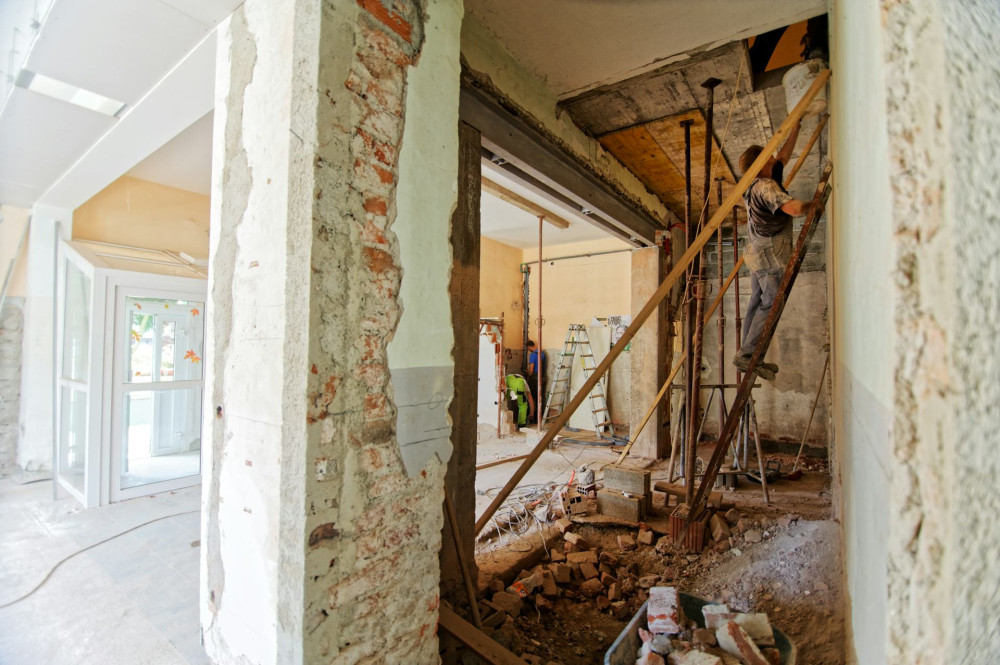
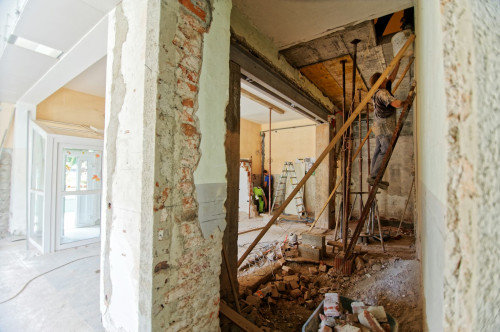
- Exposed brick: If your home has brick walls hidden behind plaster, you can carefully expose them for a rustic look—but be aware that this can affect insulation and humidity levels.
- Wood paneling: Clean and refinish wood with natural oils or a matte finish to protect the surface while keeping its texture visible.
Working with the original materials and techniques results in a finish that feels both authentic and durable.
Læs også:
Blend Old and New Thoughtfully
A successful renovation often depends on the balance between modern comfort and historical integrity. New systems—like wiring, plumbing, or insulation—can be integrated discreetly so they don’t disrupt the home’s original character.
If you’re opening up two rooms, consider leaving part of the old wall as a visual marker of where it once stood. It adds architectural interest and a sense of continuity between spaces.
Sustainability and Savings Go Hand in Hand
Preserving instead of demolishing isn’t just a design choice—it’s a sustainable one. Reusing existing structures saves materials, reduces waste, and lowers the carbon footprint of your renovation. It can also save money by avoiding the hidden costs that often arise when walls are removed and unexpected issues are uncovered.
Preservation, therefore, can be both environmentally responsible and financially wise.
A Home with Soul and Continuity
By choosing to preserve the original walls, you create a home that tells a story. You gain rooms with depth, texture, and personality—a living space where the past and present meet naturally.
Renovation isn’t only about renewal; it’s also about understanding and honoring what’s already there. The original walls are part of your home’s DNA—and with the right approach, they can become one of its most beautiful and meaningful features.
Læs også: