Create Privacy with Fencing – Without Closing In Your Yard

Create Privacy with Fencing – Without Closing In Your Yard
A fence can completely change the feel of your outdoor space. It offers privacy, defines boundaries, and adds a sense of security. But a tall, solid fence can also make your yard feel boxed in and dark. The key is balance – creating privacy without losing light, air, and openness. Here’s how to choose and design fencing that protects your space while keeping it inviting.
Think About Purpose and Setting
Before you start shopping for materials, consider what you want your fence to do. Is it mainly to block the view from neighbors, reduce wind, keep pets safe, or simply add structure to your landscaping?
A fence that fits its surroundings will always look more natural. In a suburban neighborhood, a sleek horizontal wood fence or a modern metal design can complement contemporary homes. In rural or traditional settings, a split-rail or picket fence might blend better with the landscape. Take cues from your home’s architecture and the character of your neighborhood – a cohesive look ties everything together.
Choose Materials Wisely
Material choice affects not only appearance but also maintenance and longevity. Wood remains a favorite for its warmth and natural look, but it needs regular sealing or staining to withstand the elements. Cedar and redwood are popular in many parts of the U.S. because they resist rot and weather beautifully over time.
If you prefer low maintenance, consider vinyl, composite, or powder-coated aluminum. These materials hold up well in varying climates and require little upkeep. For a softer, greener look, combine fencing with climbing plants like jasmine, clematis, or ivy. The greenery breaks up hard lines and attracts pollinators, adding life to your yard.
Add Lightness and Variety
Your fence doesn’t have to be uniform all the way around. Mixing heights or materials can make your yard feel more open and dynamic. For example, you might use a taller privacy fence along the street but switch to a lower or more open design along the sides or back.
Slatted or louvered panels allow light and air to pass through while still providing seclusion. You can also incorporate trellises or lattice sections where vines can grow, creating natural screens that feel airy rather than closed off.
Think Beyond Boundaries
A fence isn’t just a border – it’s part of your overall landscape design. Consider how it interacts with patios, walkways, and plantings. A well-placed fence can define outdoor “rooms,” such as a cozy seating area, a play zone, or a vegetable garden.
Instead of placing the fence right on the property line, try setting it a few feet inside and planting shrubs or flowers in front. This layered approach adds depth and makes the boundary feel softer and more natural.
Læs også:
Check Local Rules and Be Neighbor-Friendly
Before you dig post holes, check your local zoning laws and homeowners’ association guidelines. Many U.S. cities and counties have height limits or setback requirements for fences. If the fence will sit on a shared property line, it’s best to discuss plans with your neighbor first. A friendly conversation can prevent misunderstandings and help you find a design that works for both sides.
Also think about how your fence affects your neighbor’s light and view. A tall, solid wall might block sunlight or feel imposing, while a semi-open design with greenery can provide privacy without tension.
Maintenance and Durability
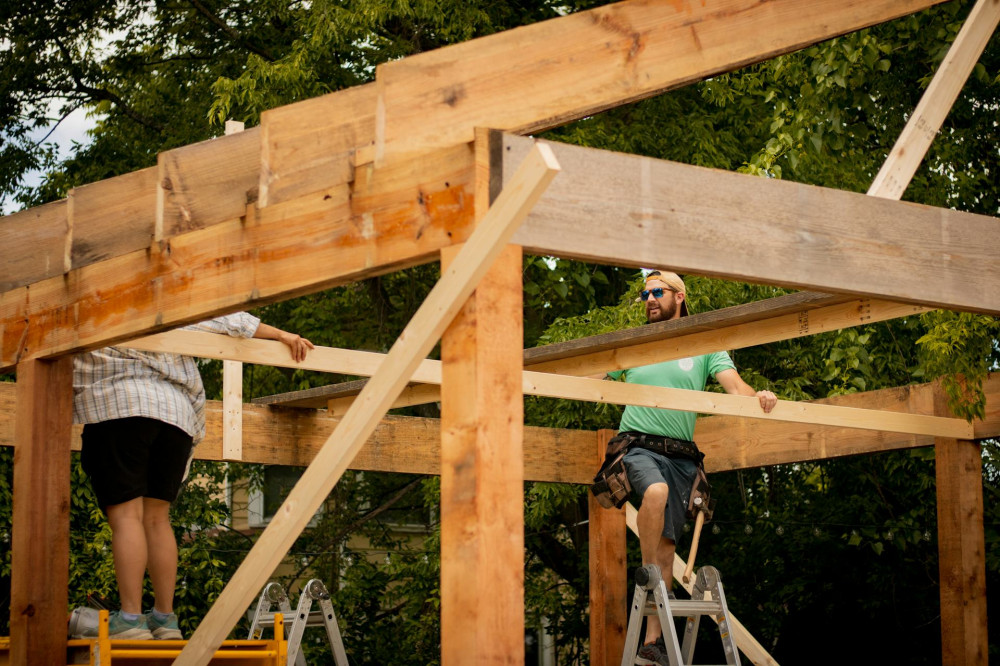
Whatever material you choose, proper installation and care are key to a long-lasting fence. Set posts securely in concrete or use metal post anchors to prevent rot. Inspect your fence annually for loose boards, rust, or damage from weather. Wood fences may need resealing every few years, while metal and vinyl options usually just need an occasional wash.
If you opt for a living fence or hedge, plan for regular trimming and watering. The reward is a fence that changes with the seasons and supports local wildlife.
A Fence That Offers Calm – Not Isolation
The best fence is one that gives you peace of mind without making your yard feel confined. By combining thoughtful design, the right materials, and a touch of greenery, you can create a private retreat that still feels open and welcoming – a space where you can relax, entertain, and enjoy the outdoors in comfort.
Læs også: