Flexible Storage Solutions for Any Room Size

Flexible Storage Solutions for Any Room Size
Whether you live in a spacious suburban home or a compact city apartment, smart storage is the key to a comfortable and organized living space. Flexible storage systems make it possible to use every inch efficiently—without sacrificing style. With the right solutions, you can create order, clarity, and calm in your home, no matter how big or small it is.
Think in Zones and Functions
Before choosing a storage system, consider how you use the room. A bedroom has different needs than an entryway or a home office. Think in zones: where do you store clothes, shoes, paperwork, or hobby supplies? Dividing the space by function makes it easier to find systems that fit your lifestyle.
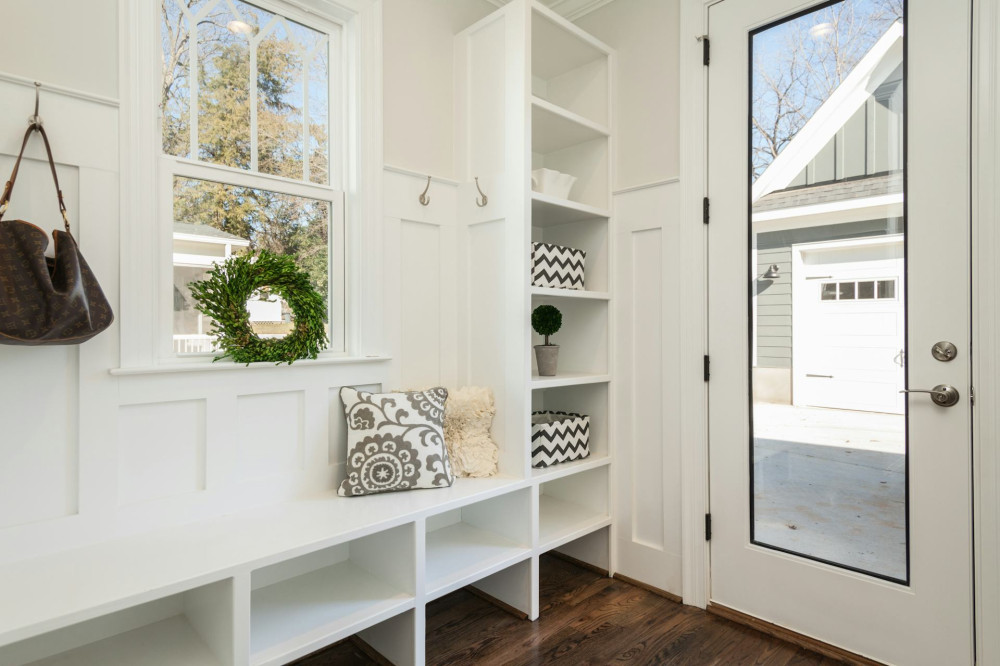
In smaller rooms, multifunctional furniture can be a game-changer—like a bed with drawers underneath or a bench with hidden storage. In larger spaces, you can mix open and closed sections to balance display and concealment, keeping your home both practical and visually appealing.
Modular Systems Offer Freedom
A modular storage system is ideal if you want flexibility. You can combine elements in different sizes and shapes to fit your room’s dimensions. Many brands offer systems that can be expanded or reconfigured over time—perfect if your needs change.
A modular setup might include shelves, drawers, cabinets, and hanging units that can be mixed and matched. This allows you to create a custom solution, whether you’re working with a narrow corner, a sloped ceiling, or a tall wall that deserves to be used to its full potential.
Use Vertical Space, Not Just Floor Space
When space is limited, think vertically. Tall cabinets, wall-mounted shelves, and units that reach the ceiling free up floor space and make a room feel more open. Store items you rarely use on the upper shelves and keep everyday essentials within easy reach.
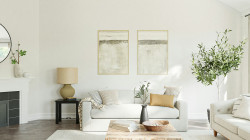
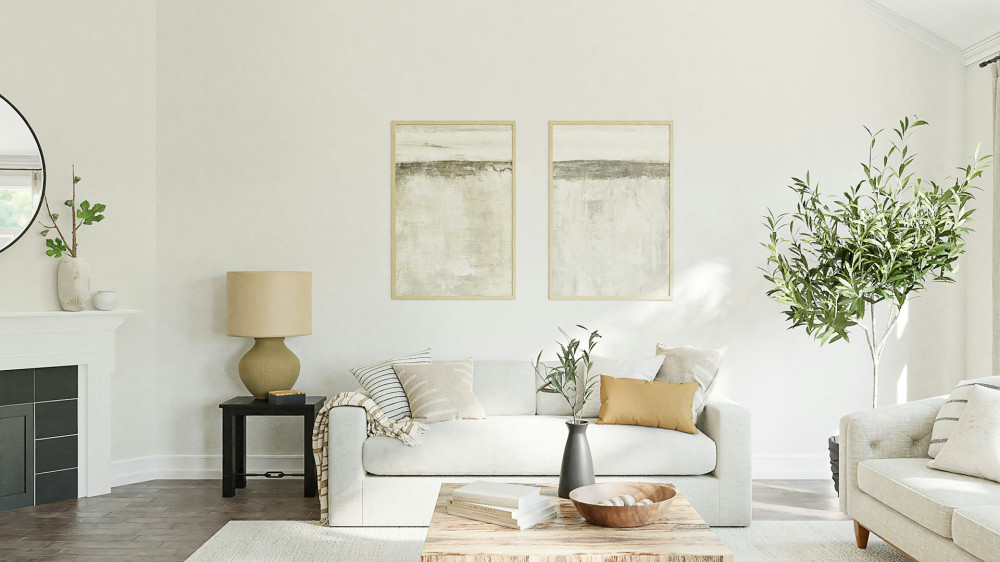
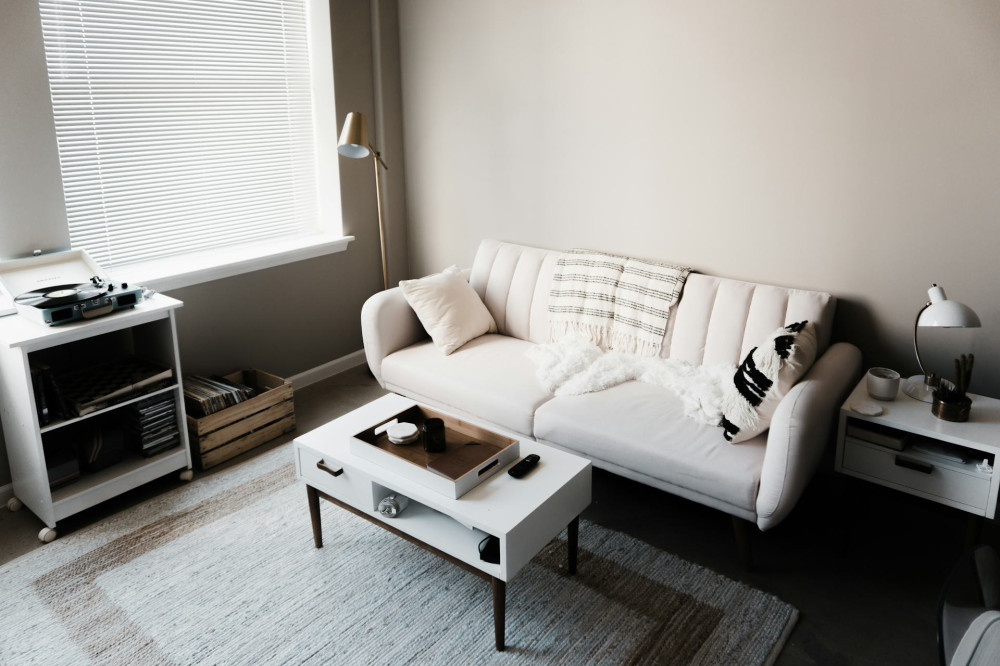
In the living room, for example, you can combine low units under windows with tall cabinets in the corners. This creates balance and provides plenty of storage without overwhelming the space.
Hidden Storage Creates Calm
A clutter-free home feels larger and more inviting. Hidden storage—like sliding doors, built-in cabinets, or boxes under furniture—helps keep surfaces clear. In the entryway, a closet with sliding doors can hide coats and shoes, while a low cabinet in the living room can store electronics and cords out of sight.
If you live in a smaller home, get creative: use the space under the stairs, behind doors, or above door frames. Even a few extra shelves can make a big difference.
Læs også:
Materials and Style
Flexible storage systems don’t have to look utilitarian. Choose materials and colors that match your personal style—from sleek white finishes to warm oak or bold painted fronts. Many systems can be customized with different handles, doors, and finishes, giving you a look that feels uniquely yours.
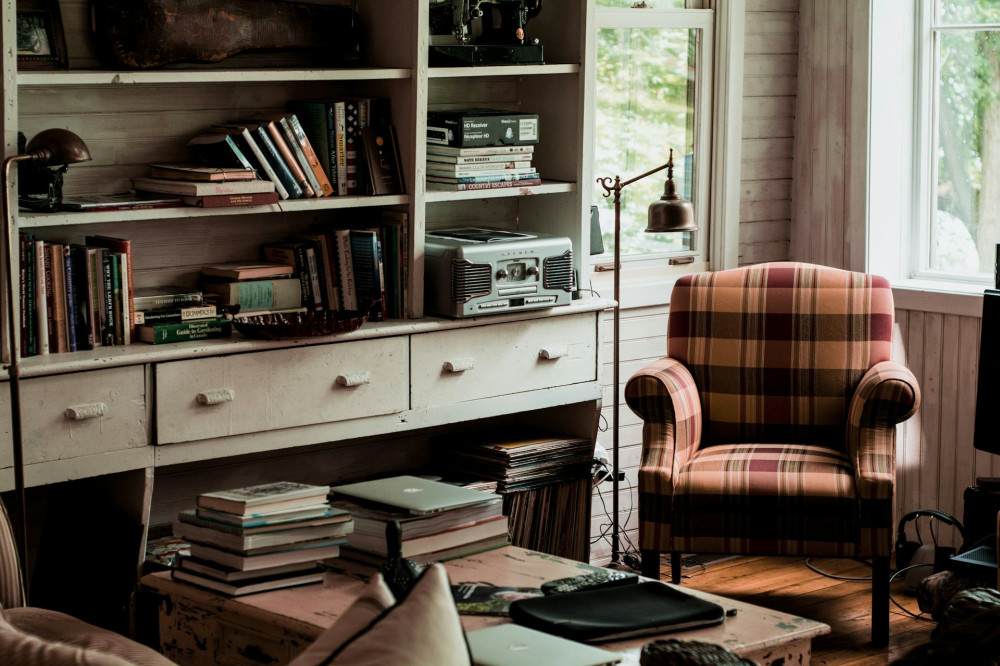
A good tip is to combine open and closed elements. Open shelves add lightness and let you display books or décor, while closed cabinets keep everyday items neatly tucked away.
Tailored Solutions for Special Spaces
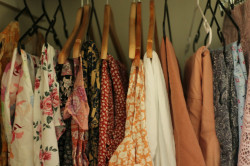
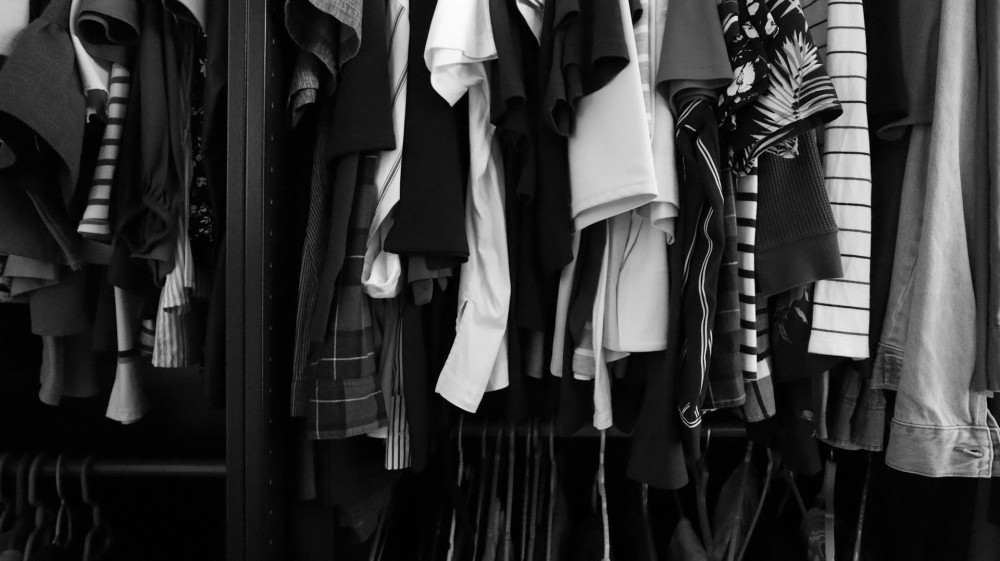
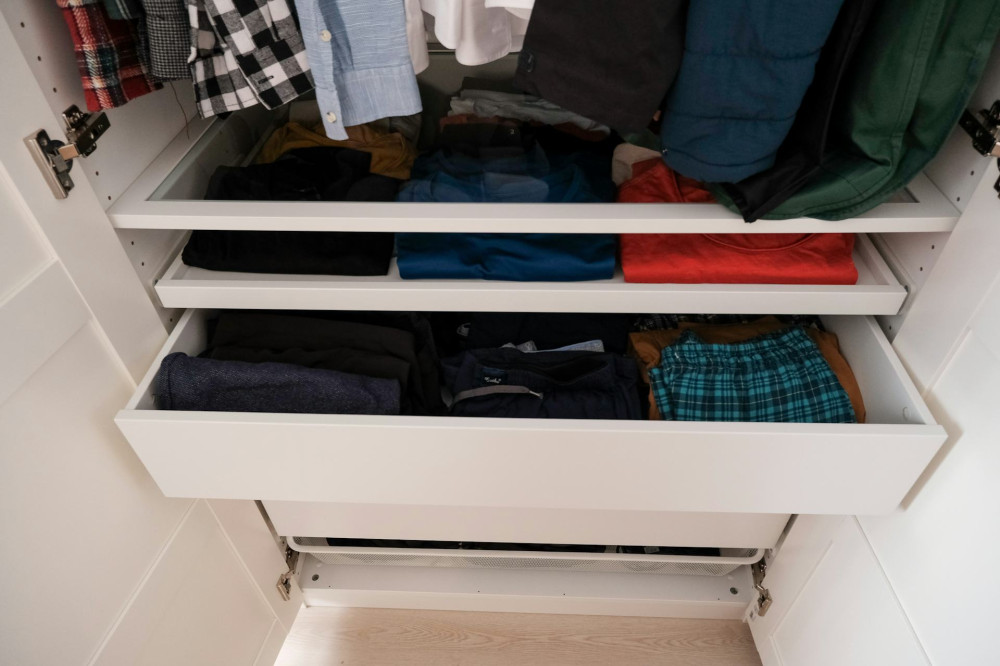
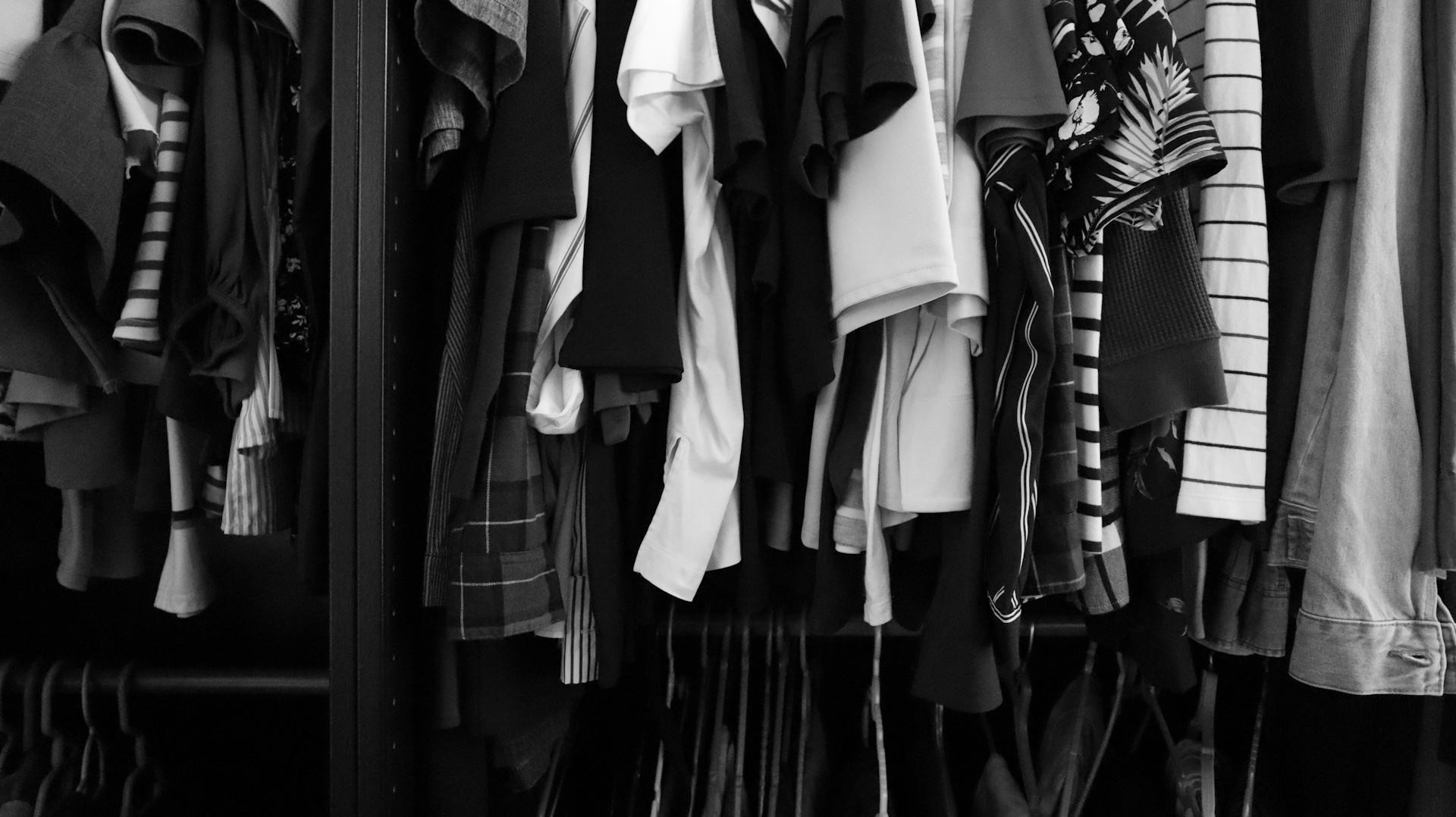
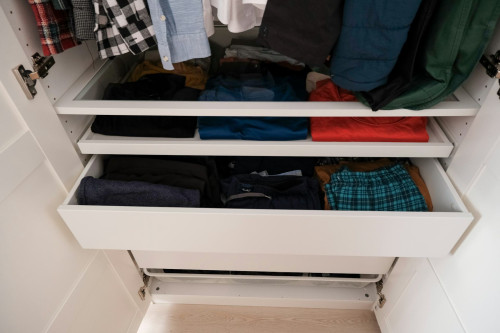
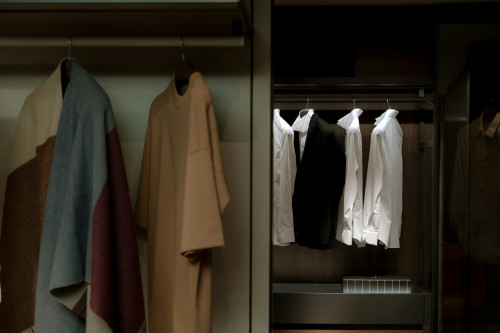
Some rooms call for specialized solutions. In a closet, an adjustable system with movable rods and shelves makes it easy to adapt to seasonal wardrobes. In the kitchen, pull-out drawers and corner cabinets help you use every inch efficiently. A home office can benefit from movable modules that can evolve as your work setup changes.
If you have a room with unusual angles or sloped ceilings, a custom-built solution might be worth the investment. It maximizes space and can be designed to blend seamlessly with your home’s architecture.
A System That Grows With You
The best part about flexible storage systems is that they can grow and change with you. Maybe you need extra space for kids’ clothes now—and later for hobby gear or office supplies. With a modular system, you can add, move, or remove components without starting from scratch.
In this way, storage becomes an investment in both functionality and well-being—a system that adapts to your life, instead of the other way around.
Læs også: