Classic Meets Modern: How to Design Your Custom Closet

Classic Meets Modern: How to Design Your Custom Closet
A custom closet is no longer a luxury reserved for high-end homes or design enthusiasts. Today, more Americans are choosing tailored storage solutions that blend timeless craftsmanship with modern convenience. The result is a space that reflects your personality while keeping your daily routine organized and stress-free. Here’s how to design a custom closet that perfectly balances style and function.
Start with the Space You Have
Before diving into finishes and hardware, take a close look at your space. A well-designed closet should not only look beautiful but also work efficiently.
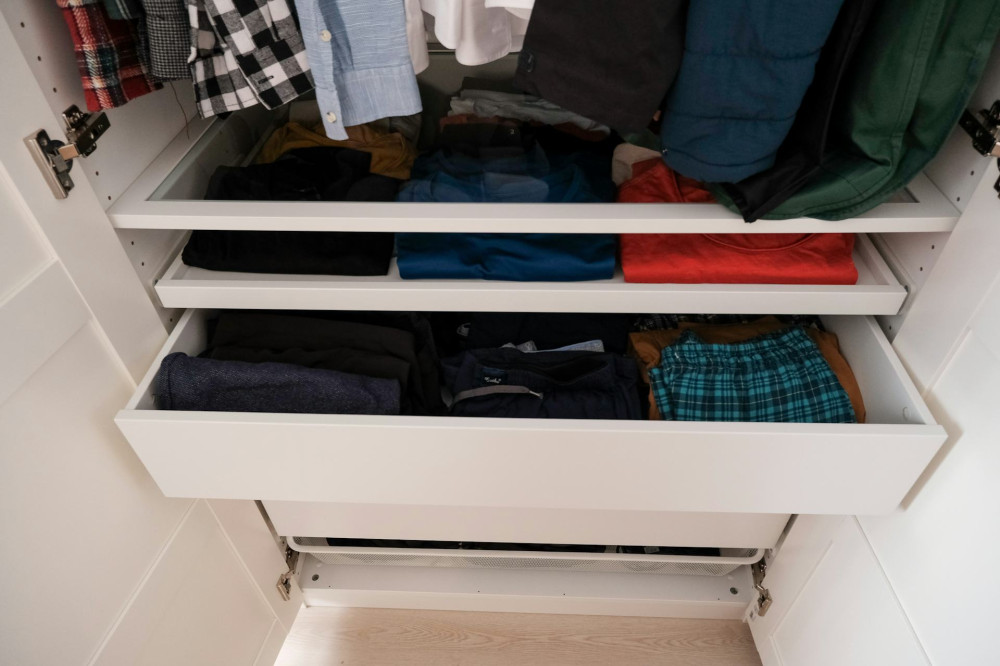
- Small spaces benefit from smart solutions like sliding doors, built-in shelving, and vertical storage that maximizes every inch.
- Larger rooms can accommodate a walk-in layout with zones for clothing, shoes, and accessories.
- Awkward corners or sloped ceilings can be turned into useful storage with custom cabinetry or angled shelving.
Sketch a floor plan noting doors, windows, and outlets. This will help you plan where to place hanging rods, drawers, and lighting for optimal flow and accessibility.
Classic Materials with a Modern Edge
Designing a custom closet is about finding harmony between timeless materials and contemporary details. Traditional elements like wood, brass, and glass can feel fresh and current when paired with modern finishes.
- Oak and walnut bring warmth and depth, ideal for a classic foundation.
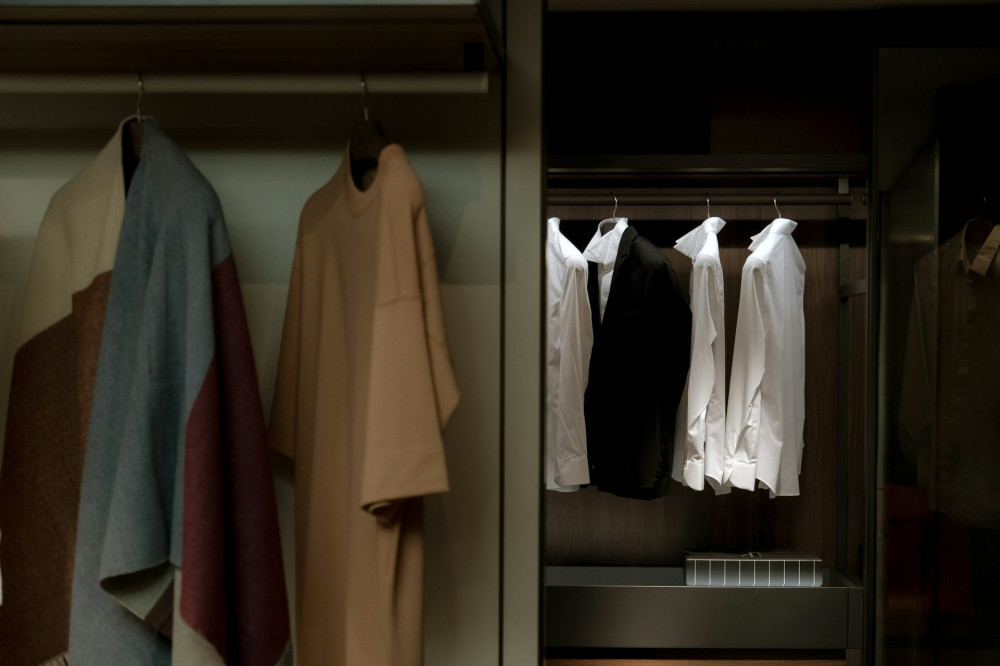
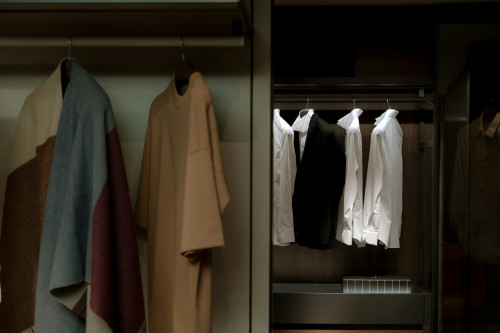
- Matte finishes in neutral tones—such as soft gray, beige, or deep green—create a calm, modern atmosphere.
- Brass or black metal hardware adds contrast and sophistication.
- Mirrored doors make the space feel larger and reflect light beautifully.
Mix open and closed storage for both display and discretion. Open shelves are perfect for showcasing handbags or hats, while closed cabinets keep everyday items neatly tucked away.
Functionality Comes First
A custom closet should make your daily routine easier. Think about how you use your wardrobe and what features would simplify your mornings.
- Pull-down hanging rods make high storage accessible.
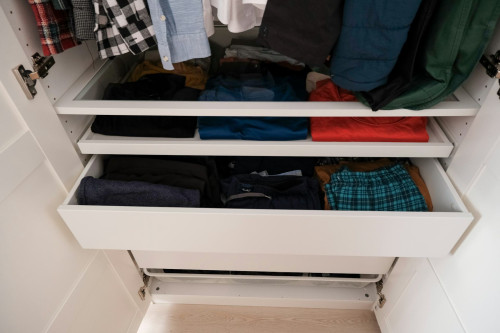
- Drawer dividers keep jewelry, belts, and small accessories organized.
- Integrated lighting ensures visibility and adds ambiance—especially useful in windowless spaces.
- Angled shoe racks make it easy to see and select your footwear.
Consider your habits: Do you like to plan outfits in advance? Need a spot for gym gear or handbags? The more your closet reflects your lifestyle, the more functional it becomes.
Læs også:
Color and Atmosphere
Color plays a major role in how your closet feels. Light tones make a space feel open and airy, while darker hues create a sense of luxury and intimacy.
- White or light oak finishes are perfect for smaller rooms or minimalist designs.
- Rich stains and deep colors like navy or charcoal add drama and elegance.
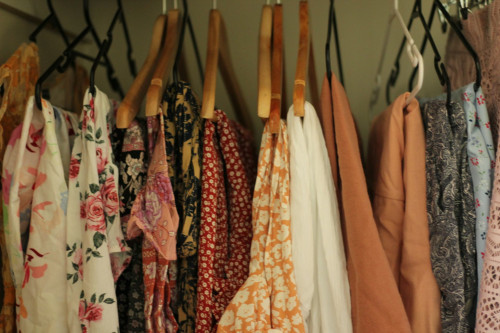
- Accent details—such as a fabric-lined back panel or patterned wallpaper—can introduce personality without overwhelming the space.
Lighting is equally important. Combine bright task lighting inside cabinets with soft, indirect lighting to highlight textures and create a welcoming mood.
Tailored to Your Lifestyle
A custom closet is more than storage—it’s a reflection of how you live. For some, that means dedicated space for shoes and accessories; for others, it’s about simplicity and calm.
Add a seating area for putting on shoes, a full-length mirror for outfit checks, or a dresser-style island for folded items. If your closet connects to the bedroom, coordinate materials and colors for a cohesive, serene look.
An Investment in Everyday Living
Designing a custom closet is an investment that pays off in both beauty and practicality. You’ll gain a space that fits your home, your habits, and your taste—built to last for years to come.
When classic design meets modern functionality, you create more than just storage. You create a space that’s elegant, efficient, and uniquely yours—the perfect blend of tradition and innovation.
Læs også: