Does Your Project Require a Building Permit? Here’s How to Find Out


Does Your Project Require a Building Permit? Here’s How to Find Out
Thinking about adding a deck, building a garage, or remodeling your kitchen? Before you start swinging a hammer, it’s important to know whether your project requires a building permit. The rules can vary depending on where you live, but understanding the basics can save you from costly mistakes, delays, or even fines. Here’s a guide to help you figure out if your project needs a permit—and how to get one if it does.
When a Building Permit Is Required
In most U.S. cities and counties, a building permit is required for any project that changes the structure, use, or safety of a building. That typically includes:
- Additions such as new rooms, decks, or second stories.
- New construction like garages, sheds, or accessory dwelling units (ADUs).
- Structural changes—for example, removing or altering load-bearing walls.
- Electrical, plumbing, or HVAC work that involves new installations or major modifications.
- Conversions of use, such as turning a basement into a living space or a garage into a bedroom.
Permits ensure that your project meets local building codes, zoning laws, and safety standards. They also help protect you when selling your home, since unpermitted work can cause problems during inspections or appraisals.
Projects That Often Don’t Require a Permit
Some smaller or cosmetic projects can usually be done without a permit, though local rules differ. Common examples include:
- Painting, wallpapering, or flooring replacements.
- Minor repairs like replacing cabinets, countertops, or fixtures.
- Small sheds or playhouses below a certain size (often under 120 square feet, depending on your local code).
- Fences under a specific height limit.
- Decks that are low to the ground and not attached to the house.
Even if a permit isn’t required, you still need to follow zoning and setback rules, and the work must comply with safety codes.
How to Find Out What Applies to You
Because building codes and permit requirements vary by state, county, and city, it’s best to check with your local building department before starting any project. Here’s how to do that:
- Visit your city or county’s building department website. Most have detailed guides and checklists for common projects.
- Review local zoning ordinances. These determine where and how you can build on your property.
- Call or email a building official. They can confirm whether your specific project needs a permit.
- Look up your property’s records. Previous permits and plans can help you understand what’s already approved.
Many municipalities also offer online tools where you can enter project details and get an instant indication of whether a permit is required.
How to Apply for a Building Permit
If your project does require a permit, you’ll need to submit an application to your local building department. The process typically involves:
- Filling out an application form describing the project.
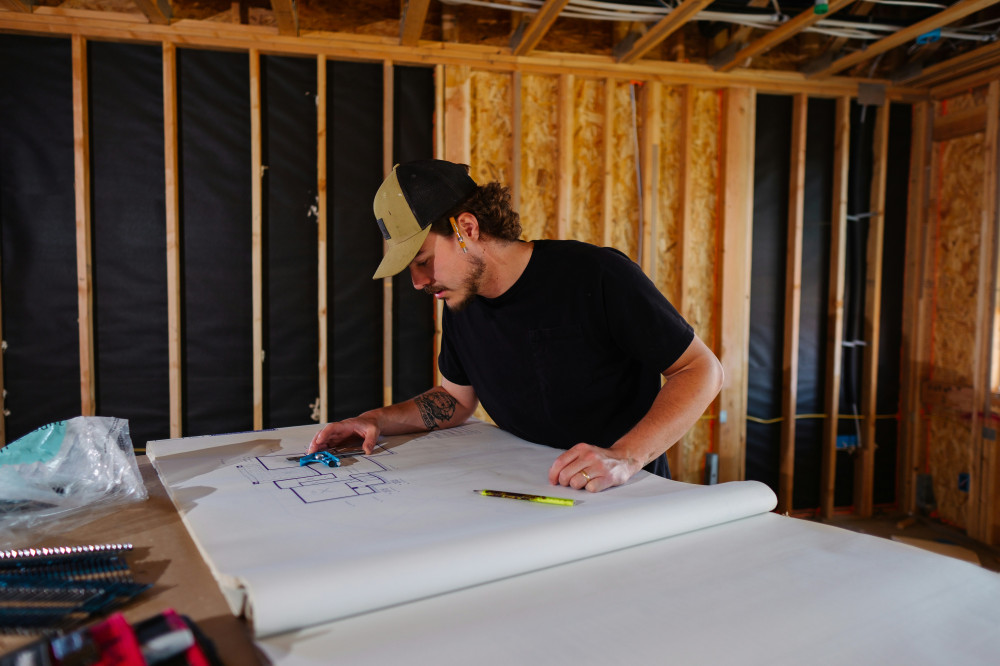
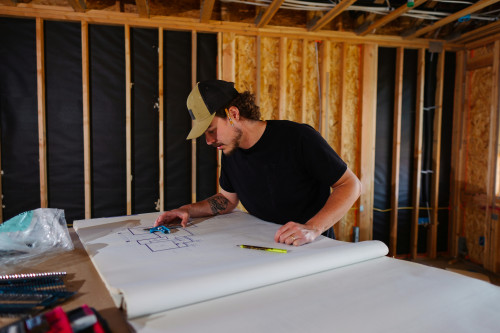
- Providing drawings or plans that show dimensions, materials, and structural details.
- Paying a permit fee, which varies based on project size and type.
- Scheduling inspections at key stages of construction.
Once your application is approved, you’ll receive a permit that must be displayed on-site during construction. After the final inspection, you’ll get a certificate of completion or occupancy.
Læs også:

What Happens If You Build Without a Permit?
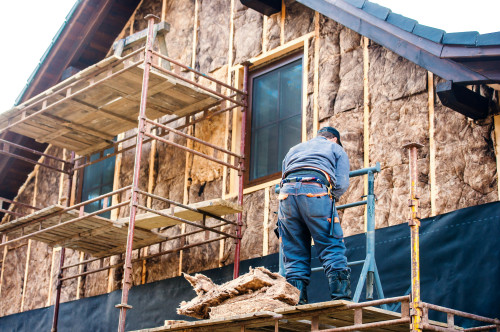
Skipping the permit process might seem like a shortcut, but it can lead to serious consequences. Local authorities can issue fines, require you to stop work, or even order you to tear down unpermitted construction. Unpermitted work can also complicate insurance claims and reduce your home’s resale value.
If you discover that previous work on your property was done without a permit, contact your building department about obtaining a retroactive permit or “as-built” approval.
Get Professional Help If You’re Unsure
If you’re uncertain about the rules or how to prepare your application, consider consulting a licensed contractor, architect, or building inspector. They can help you navigate local requirements, prepare drawings, and ensure your project meets code.
You can also find helpful resources on your city or county’s website, or through the International Code Council (ICC), which provides general information about building codes used across the U.S.
A Smart Rule of Thumb: When in Doubt, Ask
Building regulations exist to keep homes safe and neighborhoods consistent. If you’re unsure whether your project needs a permit, it’s always better to ask your local building department before starting work. A quick phone call or email can save you time, money, and stress later on.
With the right preparation and approvals in place, you can move forward confidently—knowing your project is safe, legal, and built to last.
Læs også: