Combine Insulation and Soundproofing for Greater Home Comfort

Combine Insulation and Soundproofing for Greater Home Comfort
A comfortable home isn’t just about temperature or energy efficiency—it’s also about peace and quiet. Many homeowners focus on thermal insulation to cut heating and cooling costs but overlook how soundproofing contributes to overall comfort. By combining both, you can create a home that’s energy-efficient, quiet, and relaxing.
Why Combine Insulation and Soundproofing?
Traditionally, insulation has been used to keep warm air inside during winter and hot air out during summer. But the same materials that prevent heat transfer can also reduce noise transmission. When you insulate walls, ceilings, and floors, you not only improve energy performance but also block sound waves traveling through the structure. The result is less noise from traffic, neighbors, or household systems—and a more peaceful living environment.
Materials That Make a Difference
Not all insulation materials perform equally when it comes to sound control. If you want to combine thermal and acoustic benefits, choose materials that do both effectively.
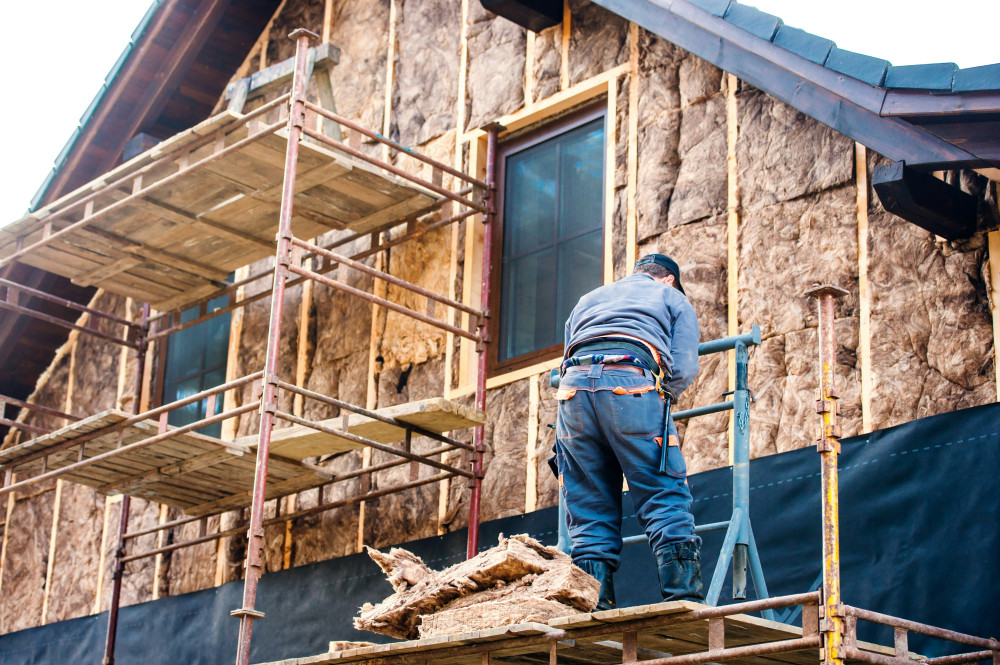
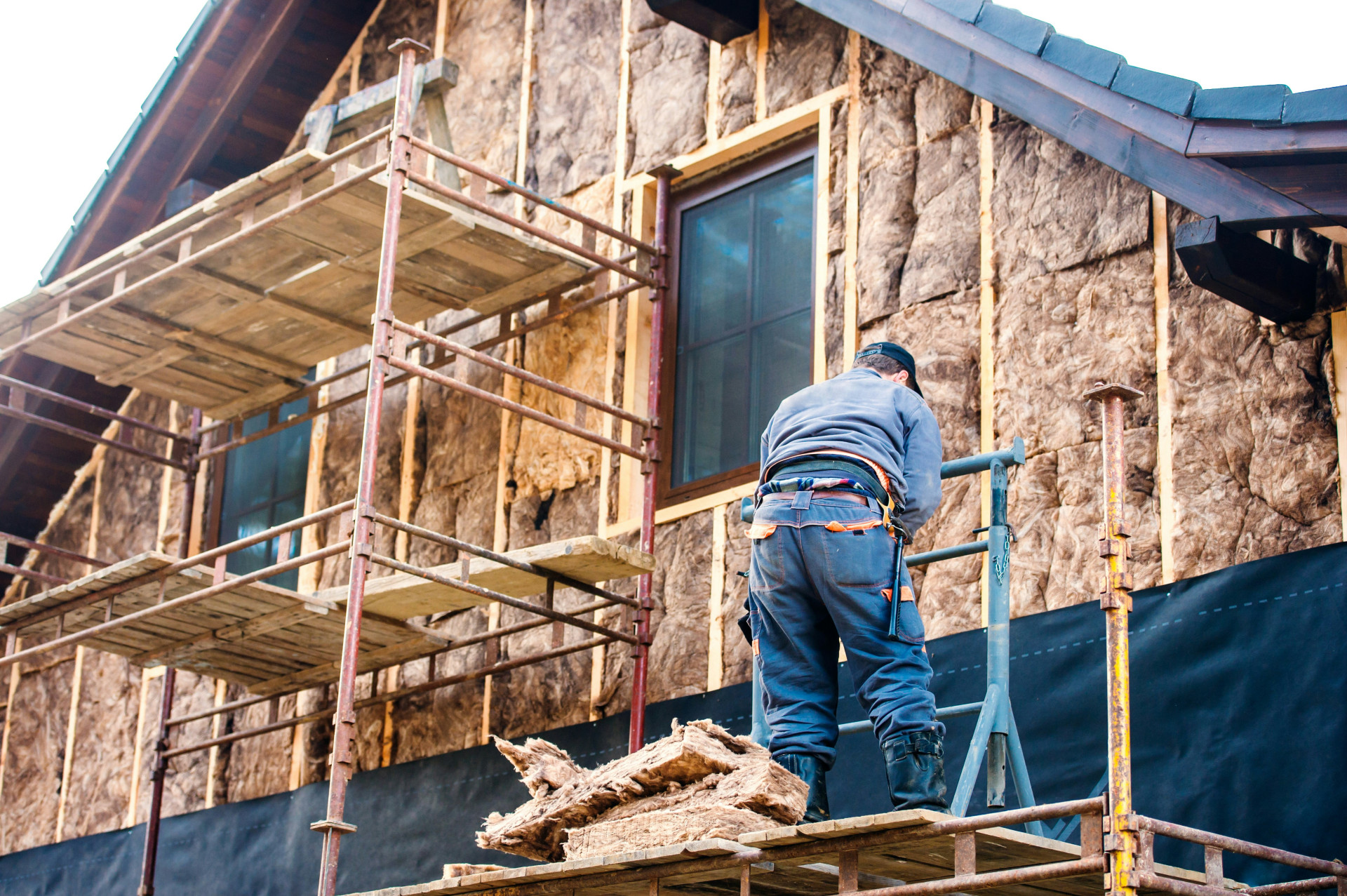
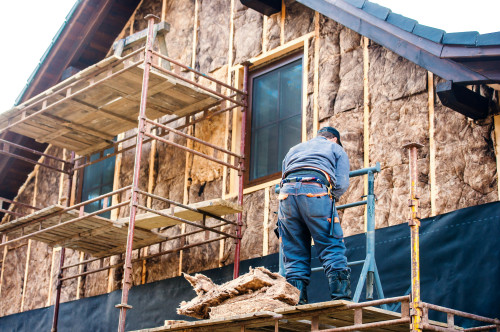
- Mineral wool (rock wool or fiberglass) – A classic choice for insulation, mineral wool offers excellent sound absorption and thermal resistance. It’s ideal for walls, ceilings, and floors.
- Cellulose insulation – Made from recycled paper, cellulose is dense and effective at blocking airborne noise while providing strong thermal performance.
- Spray foam insulation – Expands to fill gaps and cracks, sealing out both drafts and sound leaks. It’s especially useful around windows, doors, and utility penetrations.
- Acoustic panels or drywall – Adding sound-dampening panels or double layers of drywall can further reduce echo and noise transfer between rooms.
- Weatherstripping and acoustic sealant – Small details like sealing gaps around doors, windows, and outlets can make a big difference in both energy efficiency and noise reduction.
Combining these materials strategically can help you achieve a home that’s both quiet and energy-smart.
Common Areas Where Heat and Sound Escape
Even the best insulation won’t perform well if it’s not properly installed. Many homes have weak spots where both heat and sound easily pass through.
- Exterior walls and windows – Older windows and thin walls are major culprits. Consider upgrading to double- or triple-pane windows and adding extra wall insulation.
- Floors and ceilings – In multi-story homes or apartments, footsteps and voices can travel between levels. Adding insulation between floors or installing soundproof underlayment can help.
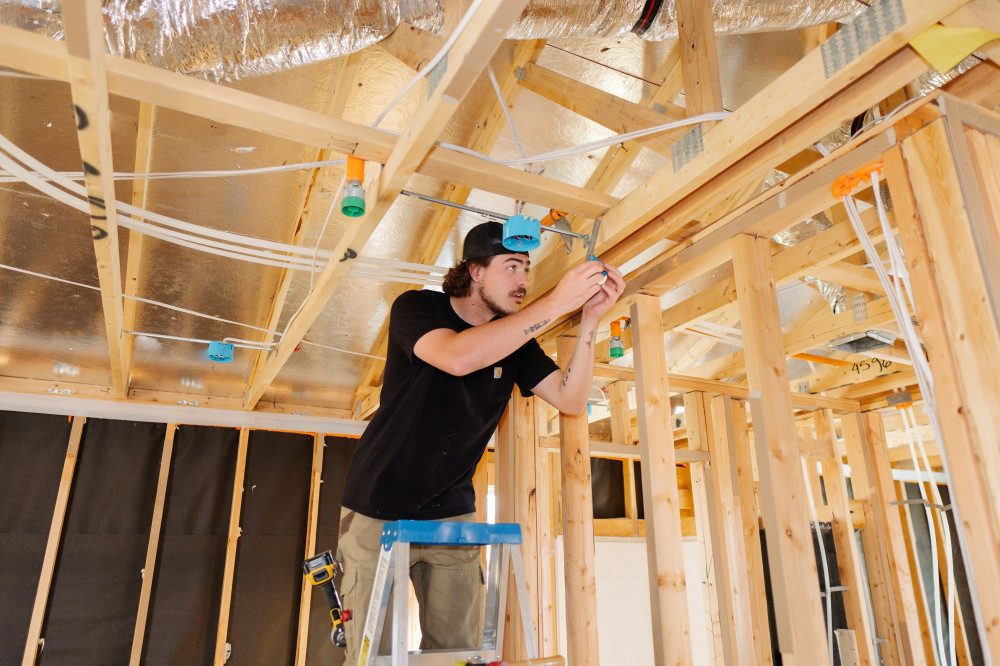
- Plumbing and electrical penetrations – Small openings around pipes, vents, and outlets can act as sound channels. Seal them with acoustic caulk or foam for better performance.
A professional home energy auditor or acoustic consultant can help identify where improvements will have the greatest impact.
Læs også:

Benefits of a Quiet, Energy-Efficient Home
Combining insulation and soundproofing offers more than just lower utility bills. It enhances your quality of life in multiple ways.
- Better sleep and focus – Less noise means fewer distractions and more restful nights.
- Higher property value – Homes that are energy-efficient and quiet appeal to modern buyers.
- Lower energy costs – Good insulation keeps conditioned air where it belongs, reducing heating and cooling needs.
- Improved well-being – A calm, quiet home environment helps reduce stress and supports overall comfort.
It’s an investment that pays off in both comfort and long-term savings.
How to Get Started
If you’re planning to upgrade your home’s insulation, consider soundproofing at the same time.
- Inspect your home – Identify areas where you notice drafts, temperature fluctuations, or unwanted noise.
- Choose the right materials – Prioritize products that provide both thermal and acoustic benefits.
- Consult professionals – A contractor or energy specialist can recommend the best combination for your home’s structure and climate.
- Think holistically – Insulation, windows, ventilation, and acoustics all work together to create a comfortable indoor environment.
By planning with both energy and sound in mind, you’ll achieve results that last for years.
A Home That Feels Just Right
Comfort is about more than temperature—it’s about how your home feels. When you combine insulation and soundproofing, you create a space where you can breathe easily, rest deeply, and enjoy true quiet. It’s not just a technical upgrade—it’s an investment in your everyday well-being.
Læs også: