When Heat Pump and Energy Storage Work Together – An Efficient Energy Solution for the Homes of the Future

When Heat Pump and Energy Storage Work Together – An Efficient Energy Solution for the Homes of the Future
As energy costs fluctuate and environmental awareness grows, more American homeowners are looking for ways to make their homes both cost-effective and sustainable. One of the most promising solutions lies in combining a heat pump with an energy storage system. Together, they can create a home energy setup that maximizes efficiency, reduces carbon emissions, and increases independence from the power grid.
The Heat Pump – The Heart of a Modern Energy System
A heat pump works by transferring heat from the air, ground, or water into your home, providing both space heating and hot water. It runs on electricity but typically delivers three to four times more heat energy than the electricity it consumes. This makes it one of the most efficient heating technologies available today.
In the U.S., the most common types are air-source heat pumps and ground-source (geothermal) heat pumps. Both can replace traditional furnaces or boilers, offering significant savings on heating bills—especially when paired with smart controls and energy storage.
Storing Energy for When You Need It Most
While heat pumps are highly efficient, their performance and operating costs depend on electricity prices and outdoor temperatures. That’s where energy storage comes in. By storing energy when electricity is cheaper or cleaner, homeowners can use it later when demand and prices are higher.
There are two main types of energy storage for residential use:
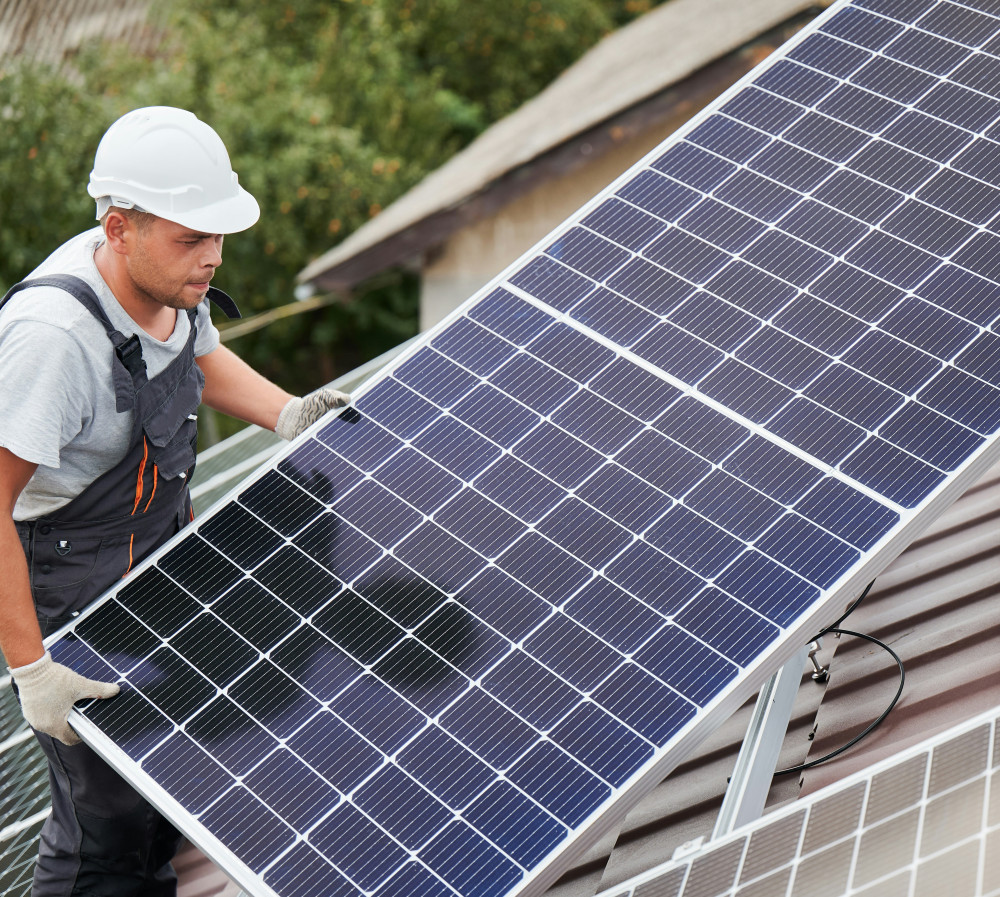
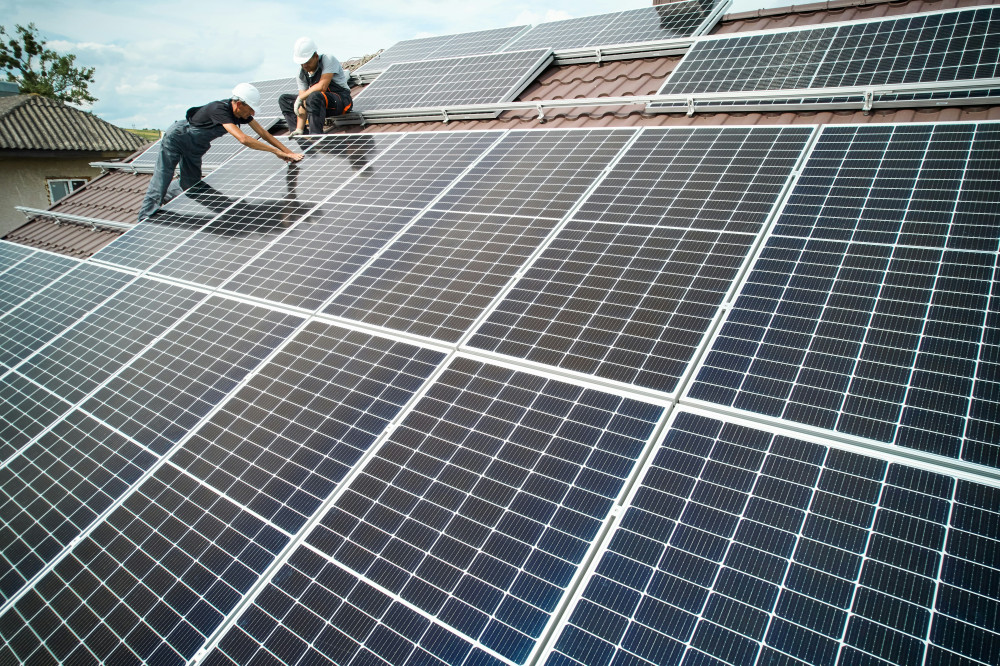
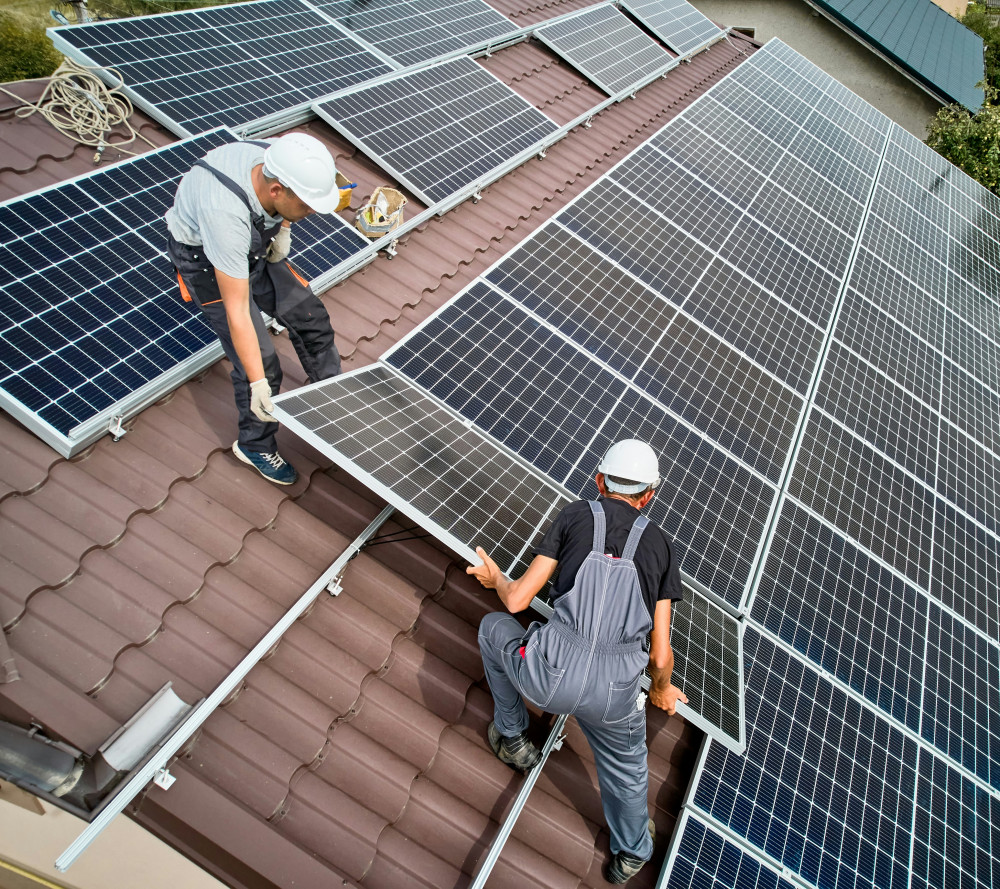
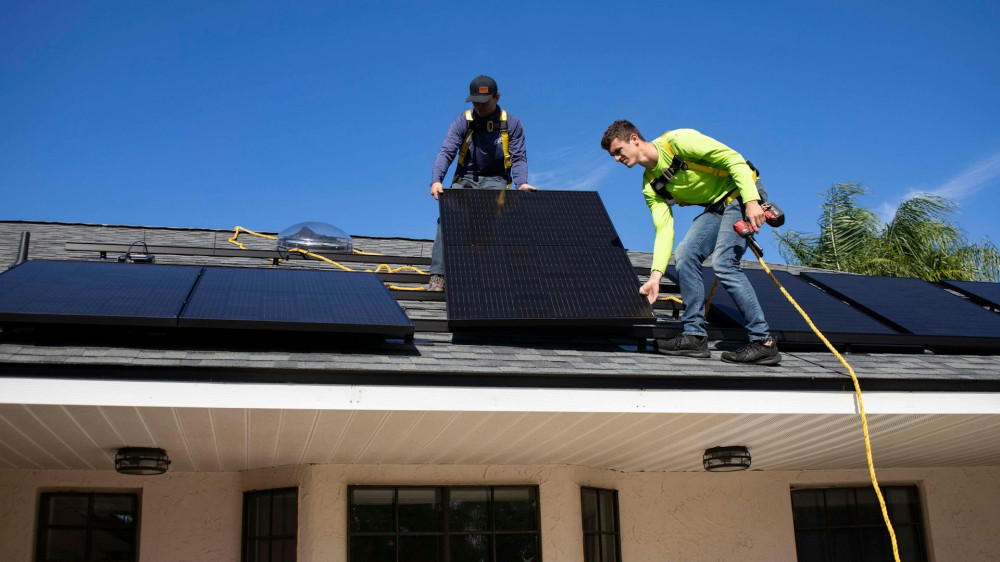
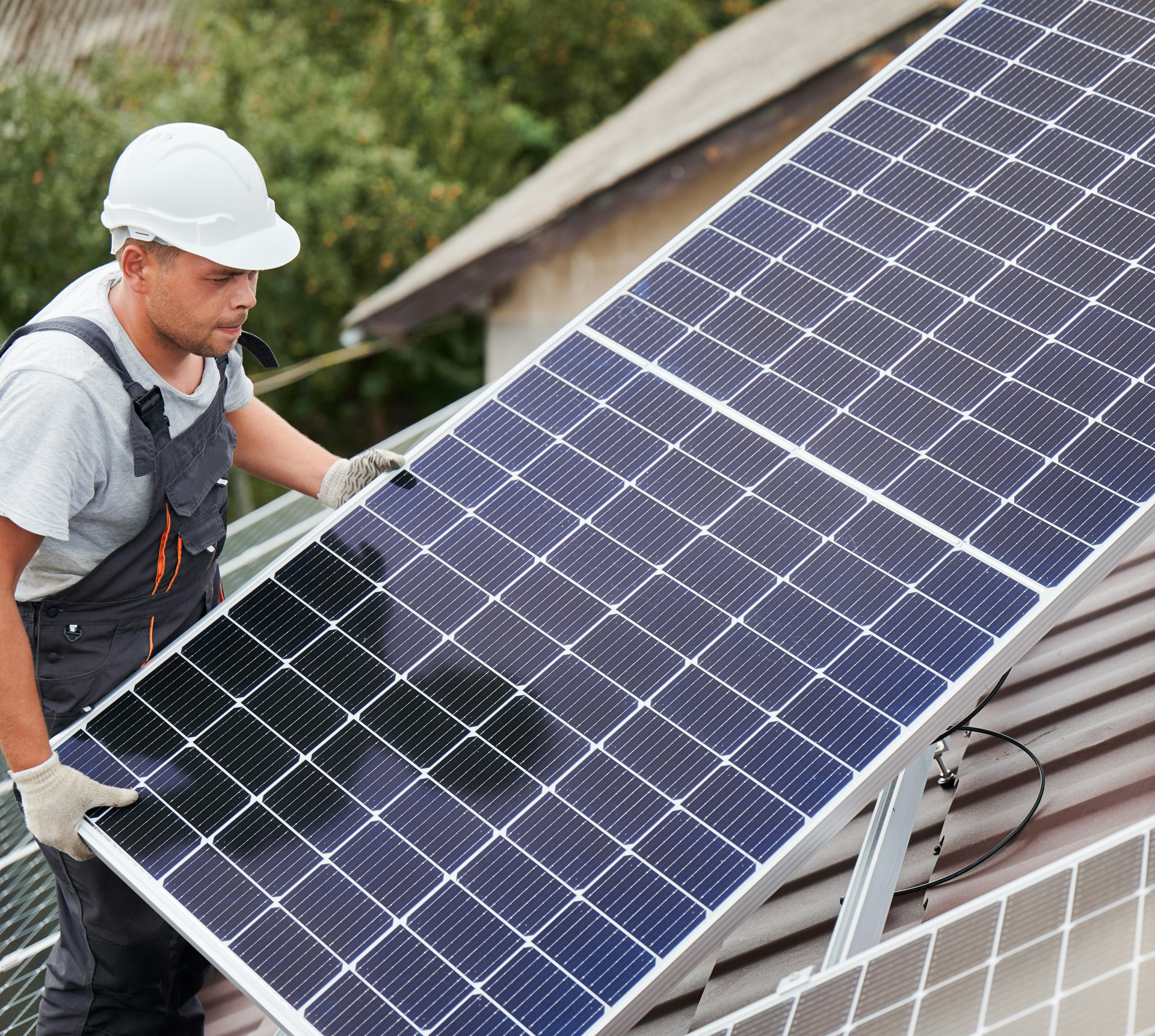
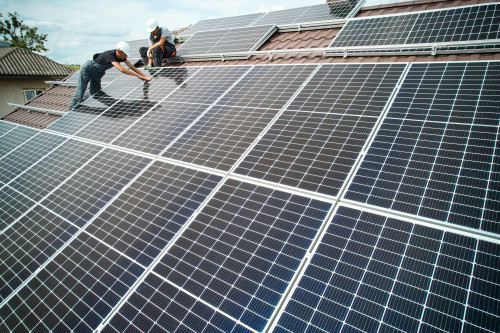
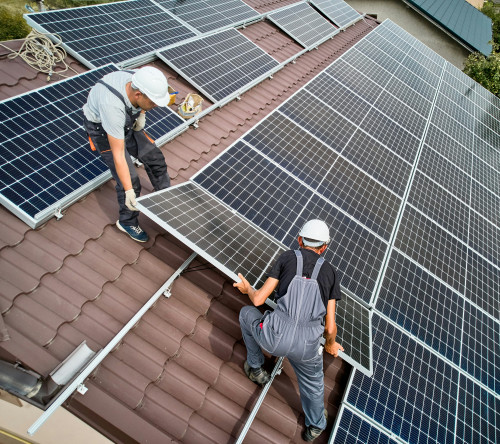
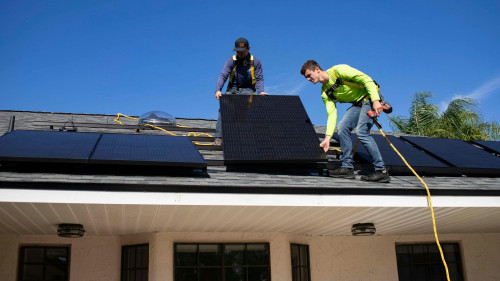
- Battery storage, which stores excess electricity—often from rooftop solar panels—for later use.
- Thermal storage, which stores heat in a water tank or other medium, allowing the home to stay warm even when the heat pump is not running.
When a heat pump and storage system work together, they can optimize energy use throughout the day. The heat pump can run when electricity is inexpensive or when solar power is abundant, while the stored energy keeps the home comfortable during peak hours.
Smart Control Makes the Difference
The real power of this combination lies in intelligent control. Modern heat pumps can connect to smart home energy management systems that automatically adjust operation based on electricity prices, weather forecasts, and household energy patterns.
For example, if the forecast predicts sunny weather, the system can plan to charge the battery with solar energy during the day and use that stored power to run the heat pump in the evening. This coordination ensures that both solar energy and low-cost electricity are used to their fullest potential—without the homeowner lifting a finger.
Læs også:
Benefits for Your Wallet and the Planet
Pairing a heat pump with energy storage offers multiple advantages:
- Lower energy bills – take advantage of cheaper electricity and reduce waste.
- Smaller carbon footprint – use renewable energy more efficiently.
- Greater energy independence – rely less on the grid and avoid price spikes.
- Comfort and stability – maintain consistent indoor temperatures even when the heat pump cycles off.
For many homeowners, the investment pays off over time, especially when combined with solar panels and available federal or state incentives such as the Inflation Reduction Act’s tax credits for heat pumps and battery storage.
The Future Home Is Flexible
As the U.S. power grid integrates more renewable energy, flexible home energy systems will play a key role in balancing supply and demand. The combination of a heat pump and energy storage allows homeowners to actively participate in the clean energy transition—by shifting their energy use to times when electricity is greener and more affordable.
The home of the future will not only be energy-efficient but also intelligent. It’s not just about saving money—it’s about using energy smarter, creating comfort and sustainability for both homeowners and the planet.
Læs også: