Timeless Design: Where Aesthetics Meet Function

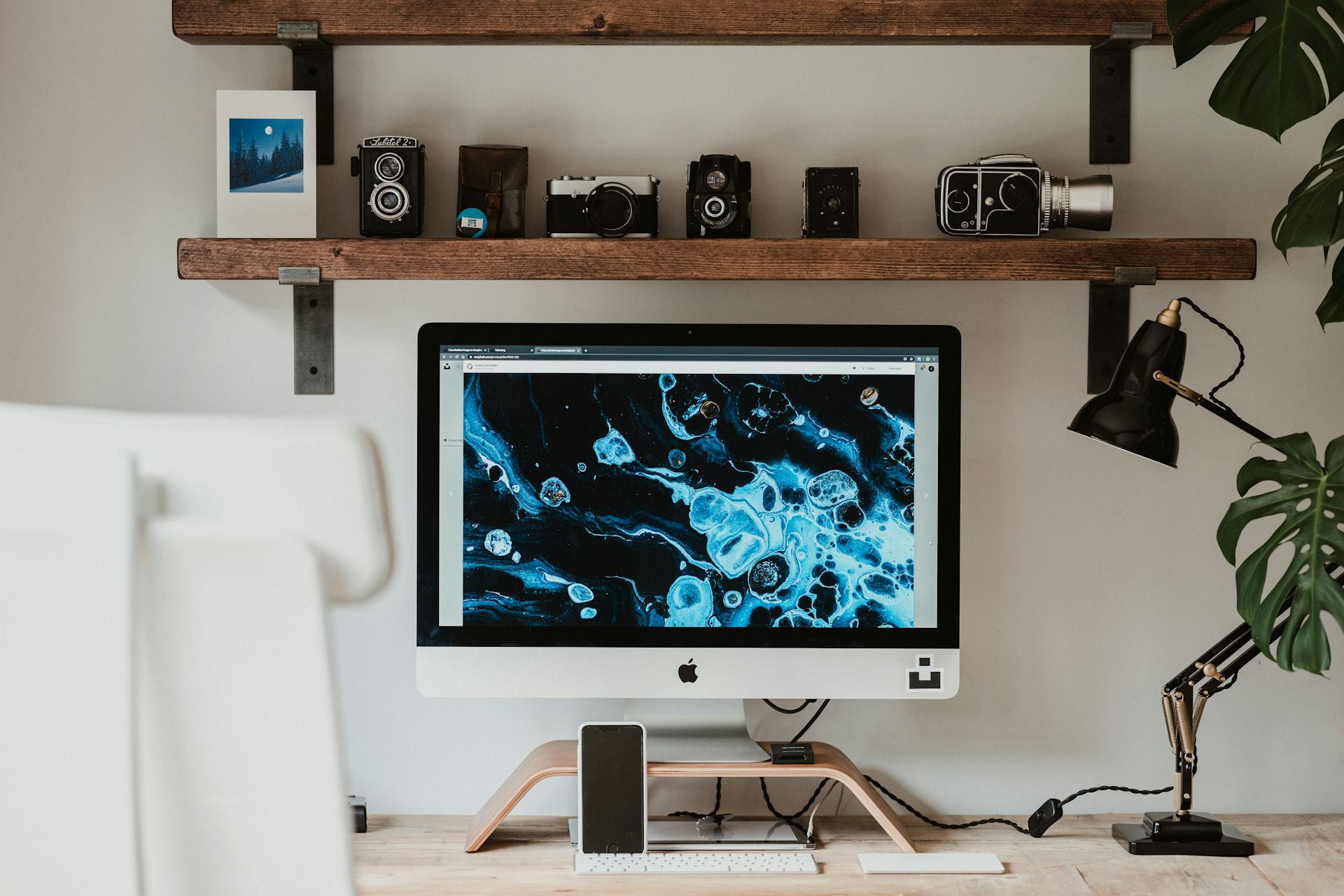
Timeless Design: Where Aesthetics Meet Function
In a world where trends shift faster than the seasons, it can be tempting to chase the latest colors, shapes, and materials. But when it comes to interior design, it’s often the timeless choices that endure — both in appearance and in practicality. Timeless design isn’t about following fashion; it’s about creating spaces that work for everyday life, age gracefully, and still feel relevant years from now.
Think Holistically, Not Hastily
A lasting design begins with a clear understanding of how a space is used. What happens there, and how do people move through it? When you plan your home around real needs rather than fleeting impulses, you create rooms that are both beautiful and functional.
It’s easy to fall for furniture that looks great online but doesn’t fit your space or lifestyle. Instead, think in terms of harmony: How do color, light, and materials interact? How can you build flexibility into your design so the space can evolve over time?
Quality Over Quantity
Timelessness is closely tied to quality. A solid oak dining table can last for decades, while cheaper alternatives often need replacing after just a few years. The same goes for textiles, lighting, and storage solutions. Investing in quality means not only better durability but also a more cohesive and refined look.
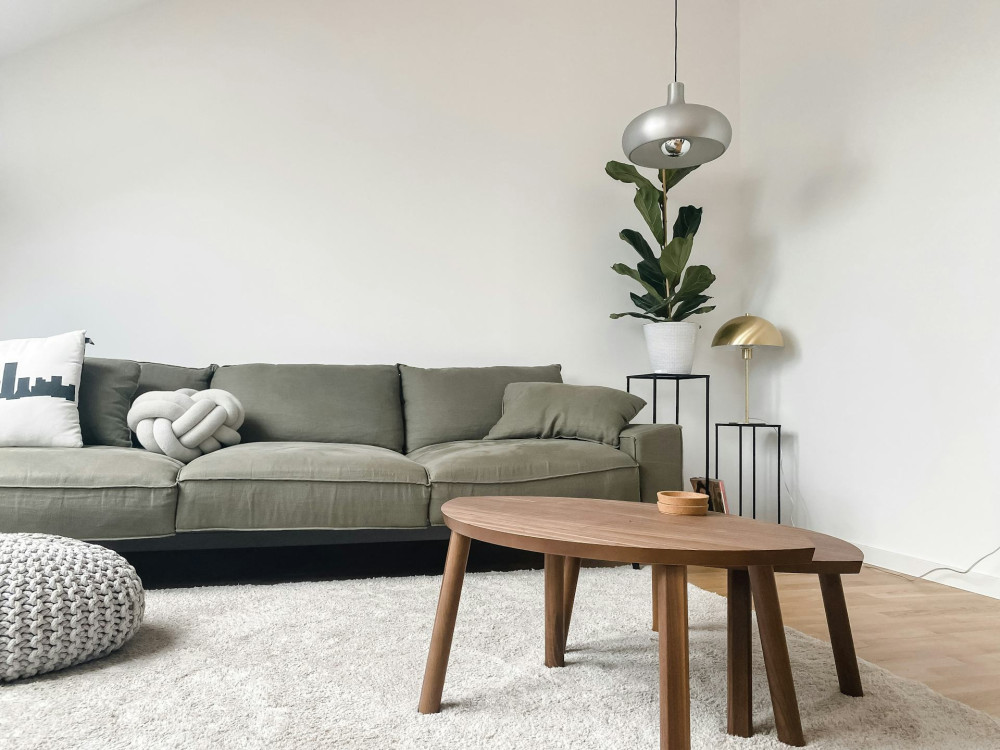
That doesn’t mean everything has to be expensive. It’s about thoughtful choices — buying fewer things, but better ones. Consider which elements should anchor the room and which can be refreshed more often, like throw pillows, plants, or artwork.
Function as an Aesthetic Principle
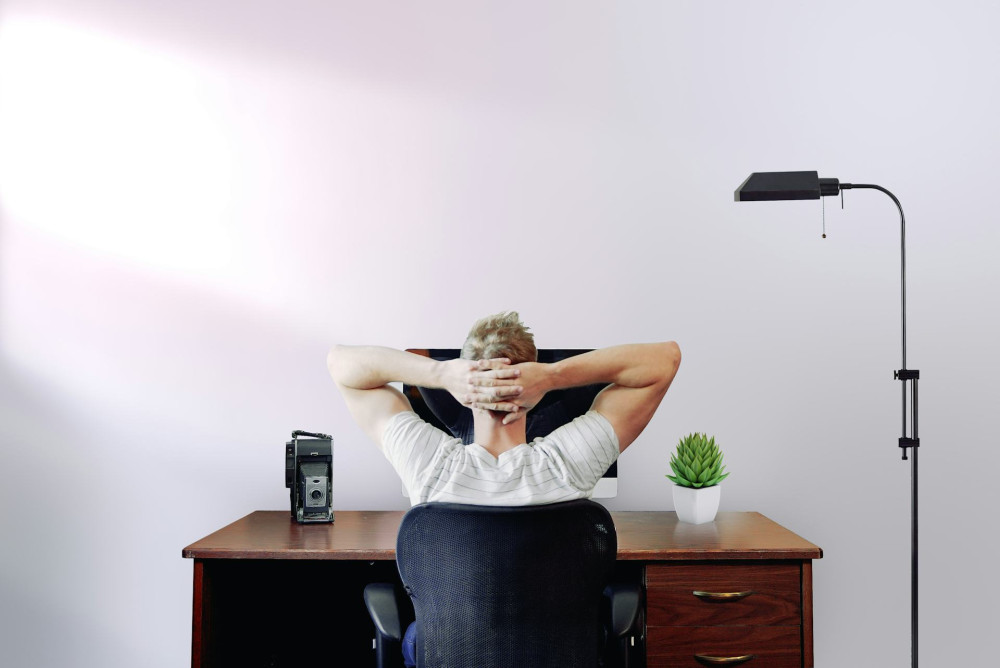
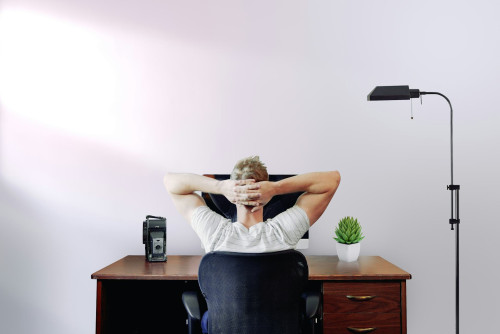
Functionality and beauty aren’t opposites — they enhance each other. When something works well, it often looks good too. A desk with proper ergonomics, a chair that supports the body, or shelving that maximizes space all contribute to comfort and visual calm.
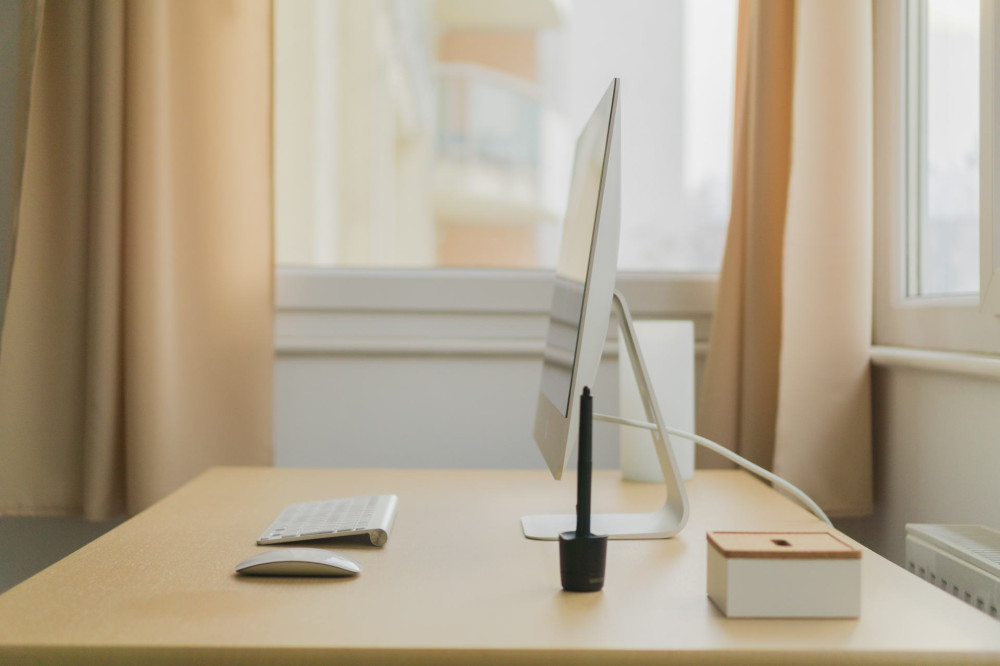
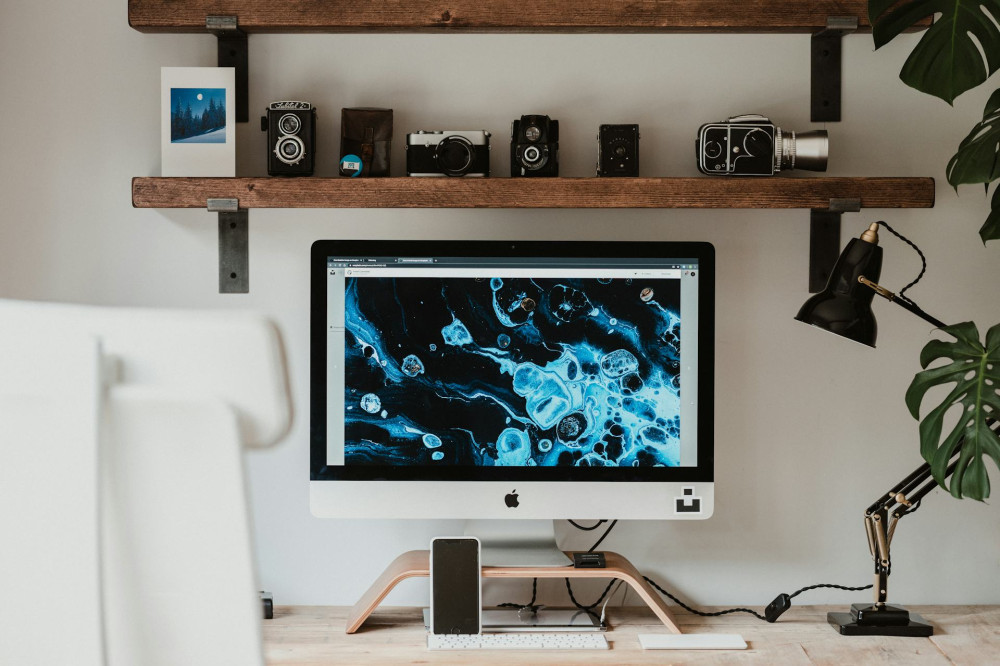
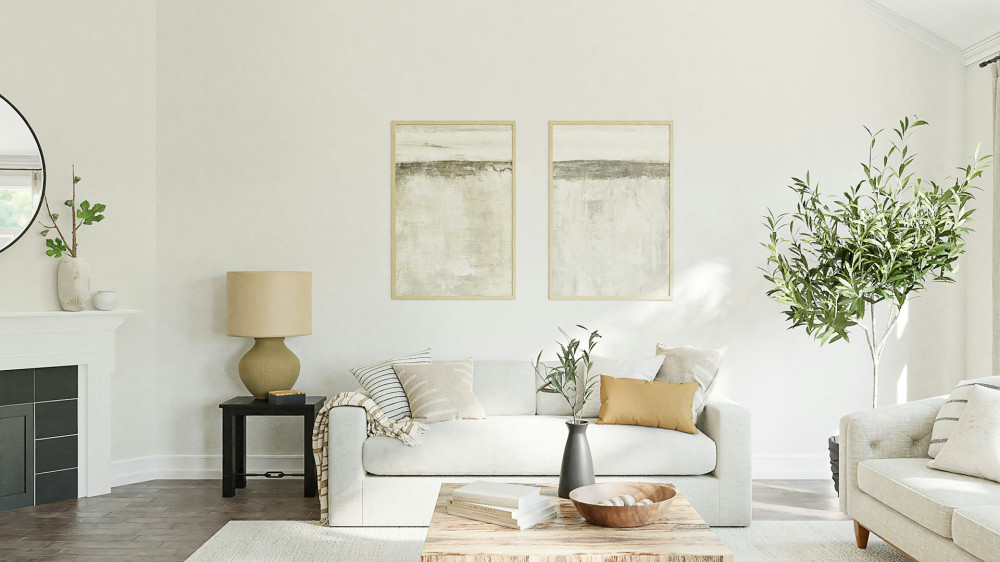
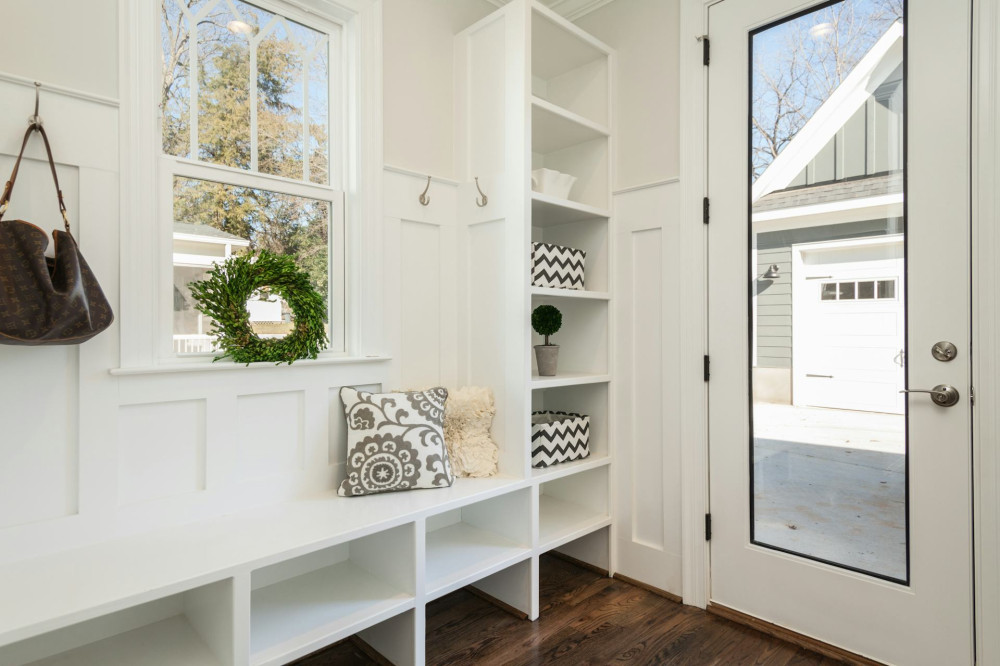
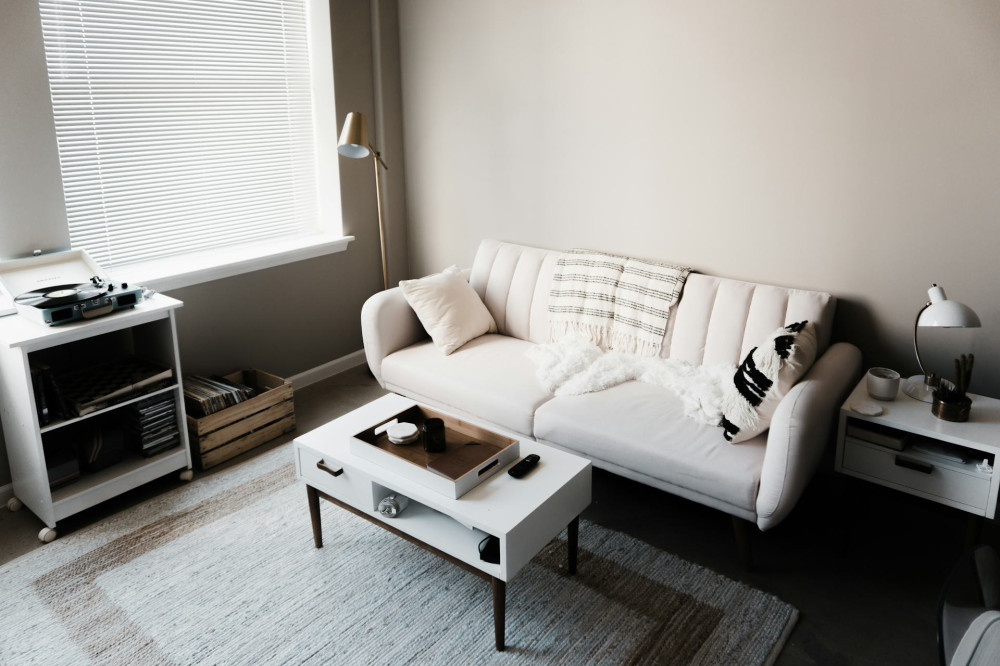
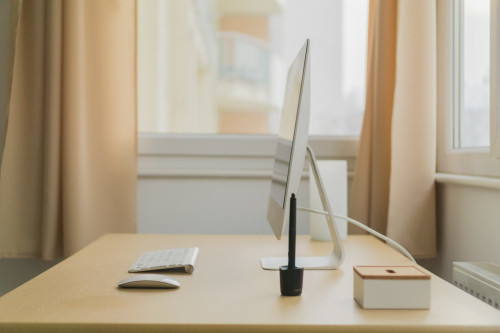
In a home office, that might mean hidden cables, soft lighting, and uncluttered surfaces. In a living room, it could be furniture arranged to encourage conversation and a balance between open and closed storage. When function is built into the design from the start, aesthetics follow naturally.
Materials That Age Gracefully
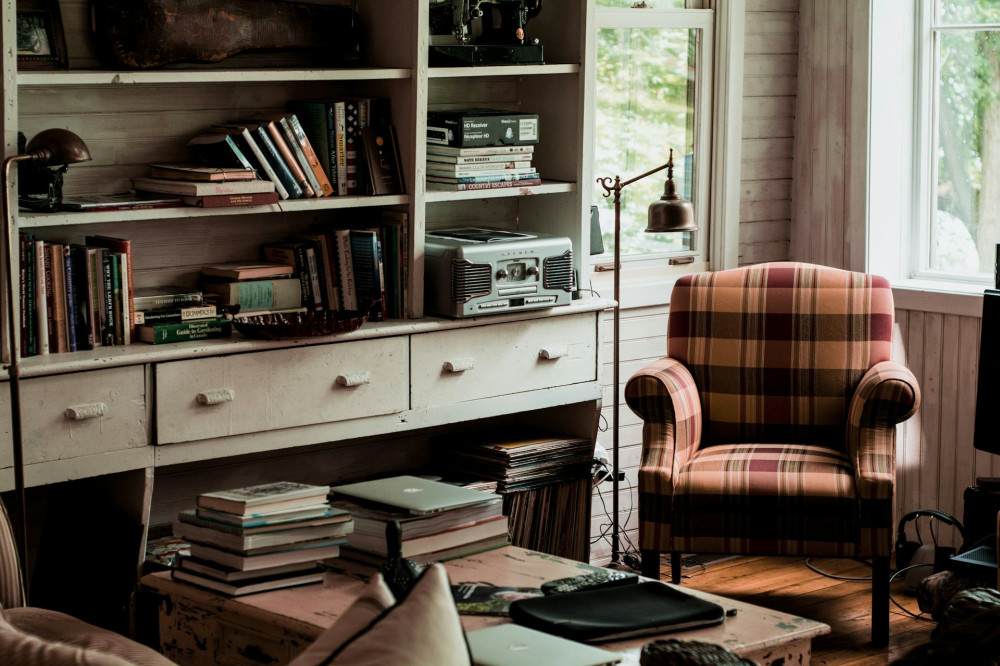
Another hallmark of timeless design is the use of materials that grow more beautiful with age. Wood, leather, wool, and stone develop character and patina, while synthetic surfaces often wear poorly. Choosing natural materials not only creates a more sustainable home but also one that evolves with you.
Think about how textures and tones interact. A mix of smooth and rough surfaces, warm and cool hues, can add depth and balance. It’s not about perfection — it’s about authenticity. A home should feel alive, not staged.
Flexibility and Change
Even the most carefully designed space should adapt as life changes. Flexibility is key to longevity. Modular furniture, movable lighting, and multifunctional pieces make it easier to adjust as your needs evolve.
An extendable dining table, a sofa with removable covers, or a shelving system that can be reconfigured are all smart choices that extend the life of your design. This way, you can refresh your home without starting from scratch.
Læs også:


Sustainability as a Core Value
Timeless design is inherently sustainable. When you choose durable furniture and materials, you reduce the need to buy new — and your environmental footprint shrinks. Reuse, repair, and upcycling aren’t just eco-friendly; they also add personality and story to your home.
A family heirloom can be revived with a new finish, and a flea market find can become a unique focal point. It’s about seeing value in what already exists and giving it new purpose.
A Home That Lasts
Timeless design isn’t a style — it’s a mindset. It’s the art of creating spaces that function well, feel right, and evolve gracefully over time. When aesthetics meet function, you achieve that rare balance that makes a home both beautiful and livable — not just today, but for many years to come.
Læs også: