Share Moving Equipment Smartly with Friends and Family

Share Moving Equipment Smartly with Friends and Family
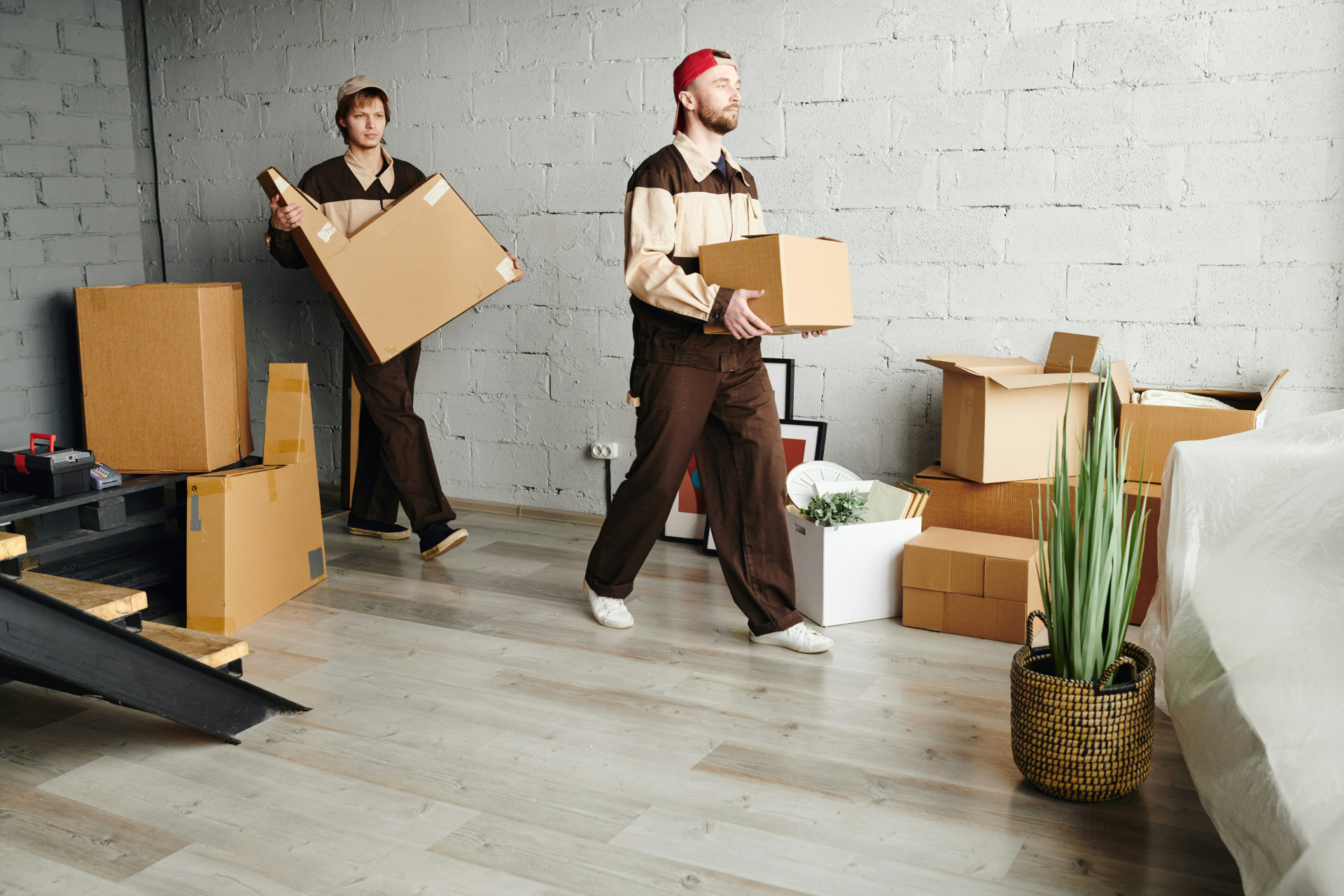
When you’re in the middle of a move, one big question often comes up: how do you get all the equipment you need without spending a fortune or filling your garage with things you’ll only use once? The answer might be simpler than you think. By sharing moving equipment with friends and family, you can save money, reduce waste, and make the whole process easier and more sustainable. Here’s how to organize it smartly.
Why Share Moving Equipment?
Moving usually requires a range of practical tools: a dolly, moving blankets, boxes, straps, tools, and maybe even a trailer or pickup truck. Most of these items are only used for a few days and then sit unused for years. By sharing them within your circle, everyone benefits without having to buy new gear.
There’s also an environmental upside. The fewer items that need to be produced and shipped, the smaller the carbon footprint. Plus, helping each other through one of life’s more chaotic events strengthens relationships and builds community.
Create a Shared Moving Kit
A great way to organize shared equipment is to create a “moving kit” that everyone can access. Store it in a convenient location—like a garage, basement, or storage shed at one of your homes.
A typical moving kit might include:
- Dolly and lifting straps – to move heavy furniture safely and protect your back.
- Moving blankets and plastic wrap – to protect furniture and floors.
- Tool set – screwdrivers, Allen wrenches, and a hammer for assembling and disassembling furniture.
- Labels and markers – to keep track of what’s in each box.
- Durable moving boxes – that can be reused multiple times.
Keep a simple checklist of what’s in the kit and who used it last. That makes it easy to track items and ensure everything is returned in good condition.
Use Digital Tools to Coordinate
To avoid confusion, use digital tools to coordinate borrowing and returning. A shared calendar or spreadsheet in Google Drive can show when the equipment is available and who has reserved it. That way, you can prevent double bookings and misunderstandings.
There are also neighborhood-sharing apps and online platforms where you can list what you have and see what others are offering. These tools make it easy to expand your sharing network and access even more equipment when needed.
Set Clear Rules – and Take Care of the Gear
Even when sharing among friends and family, it’s smart to set a few ground rules. For example:
- How long each person can borrow the equipment.
- That everyone reports if something breaks or goes missing.
- That items are returned clean and complete.
Clear expectations help keep things fair and ensure the equipment lasts longer. If you invest together in something more expensive—like a high-quality dolly or trailer—you might even set up a small shared fund for maintenance or repairs.
Læs også:


Combine Sharing with Reuse
Sharing moving equipment goes hand in hand with reusing materials. Many moving boxes, blankets, and plastic bins can be found cheaply—or even for free—through local buy-nothing groups, community boards, or thrift stores. When you’re done moving, pass them along to the next person.
The same goes for packing materials like bubble wrap and paper—save and reuse them. It’s good for your wallet and the planet.
Make Moving a Team Effort
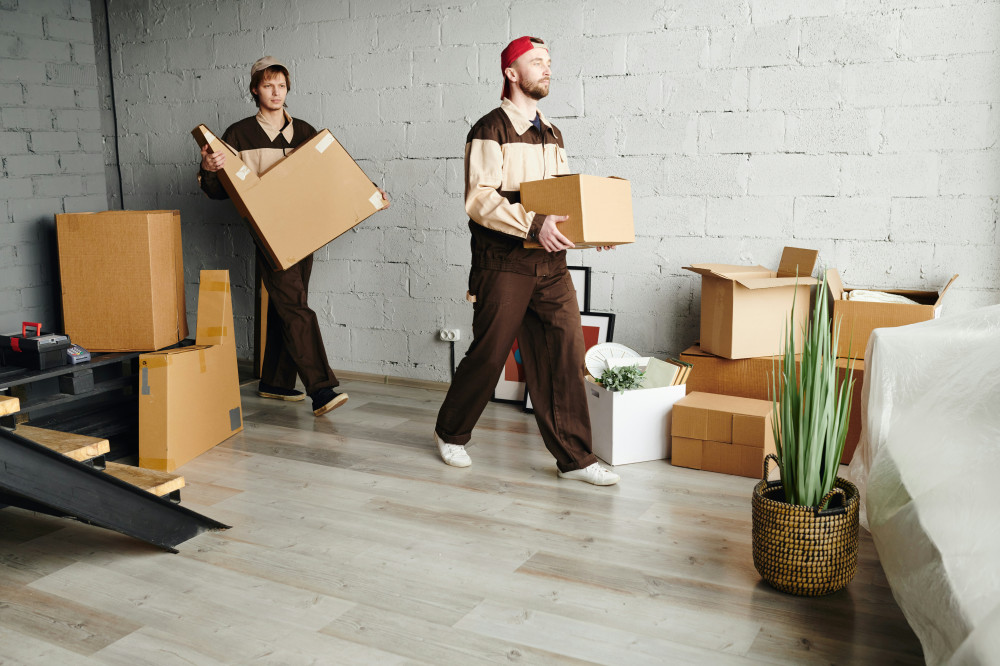
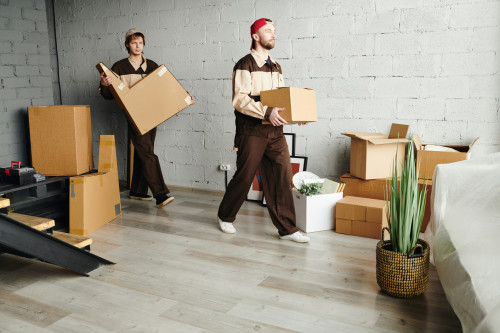
Sharing moving equipment isn’t just practical—it can also be social. When friends and family help each other move, the process becomes faster, easier, and more enjoyable. Plan a shared moving day where you take turns helping each other, and wrap it up with a pizza night or backyard barbecue to celebrate the teamwork.
That way, moving becomes more than just a stressful task—it’s a chance to connect and create good memories.
A Smarter, Greener Way to Move
Sharing moving equipment is a simple step toward a more sustainable lifestyle. It saves money, reduces waste, and makes it easier to support one another. With a little planning and cooperation, you can make your next move cheaper, greener, and a lot more manageable—and maybe even a little fun.
Læs også: