Secure Basement Shafts and Back Doors Against Break-In Attempts

Secure Basement Shafts and Back Doors Against Break-In Attempts
Basement shafts and back doors are among the most overlooked entry points when it comes to home security. Many homeowners focus on front doors and ground-floor windows but forget that basements and back entrances are often the first places burglars try. Here’s a guide to help you secure these vulnerable spots and make your home a less appealing target.
Basement Shafts – A Hidden Risk
Basement shafts provide light and ventilation, but they can also serve as an easy access point for intruders. They’re often out of sight from neighbors, and the grates can be simple to remove.
- Install sturdy grates – Choose galvanized steel grates that are securely fastened and require tools to remove. Avoid loose or corroded grates that can be lifted by hand.
- Use security screws or locking brackets – These make it much harder for someone to remove the grate.
- Add a security grill beneath the grate – A secondary grill just below the opening prevents anyone from crawling in, even if the top grate is removed.
- Keep the area visible and clear – Trim back shrubs and remove clutter that could conceal someone. Visibility and lighting are powerful deterrents.
If your basement has windows, secure them with locks that can be opened from the inside but not from the outside. You can also apply security film to the glass to make it harder to break.
The Back Door – The Forgotten Entrance
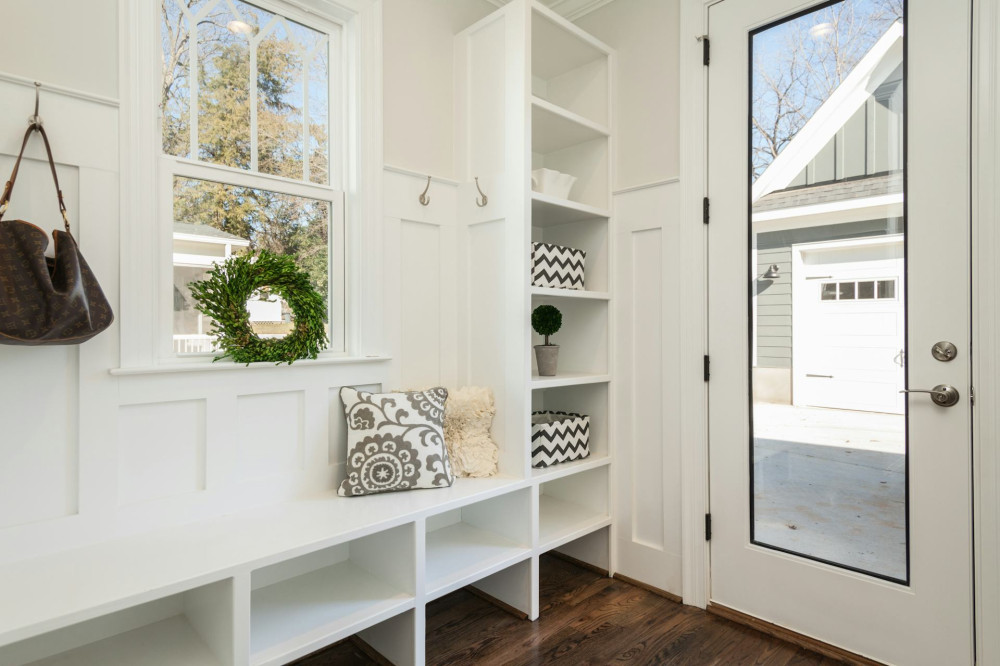
The back door is rarely used by guests but often targeted by burglars. It’s typically more secluded, making it an attractive entry point.
- Choose a high-quality door – A solid wood or steel door with a reinforced frame is far more resistant than a lightweight door with glass panels.
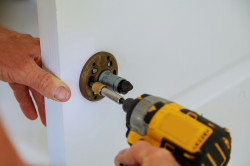
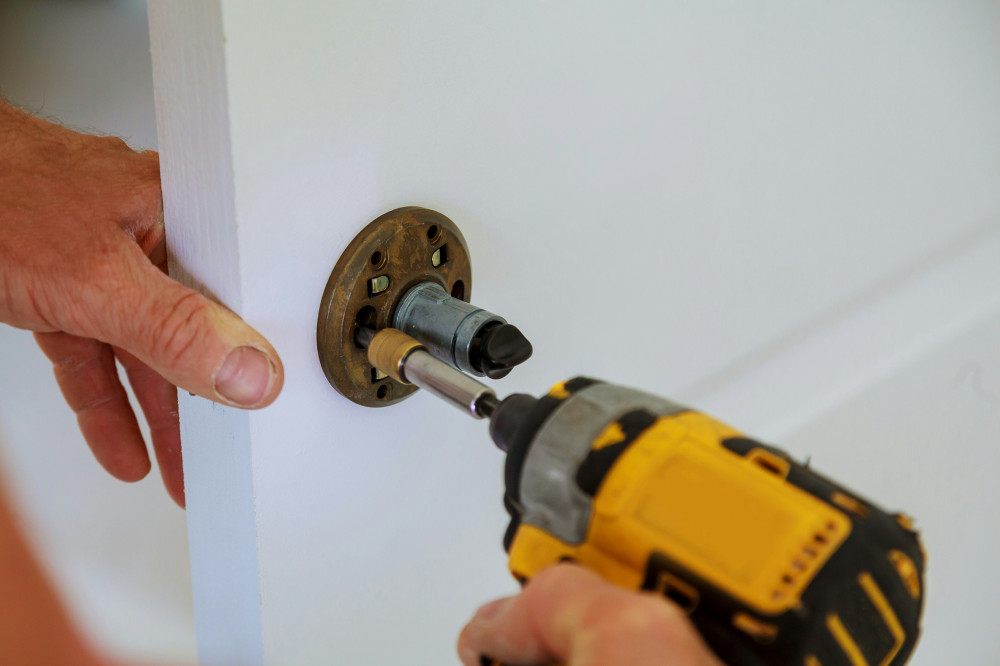
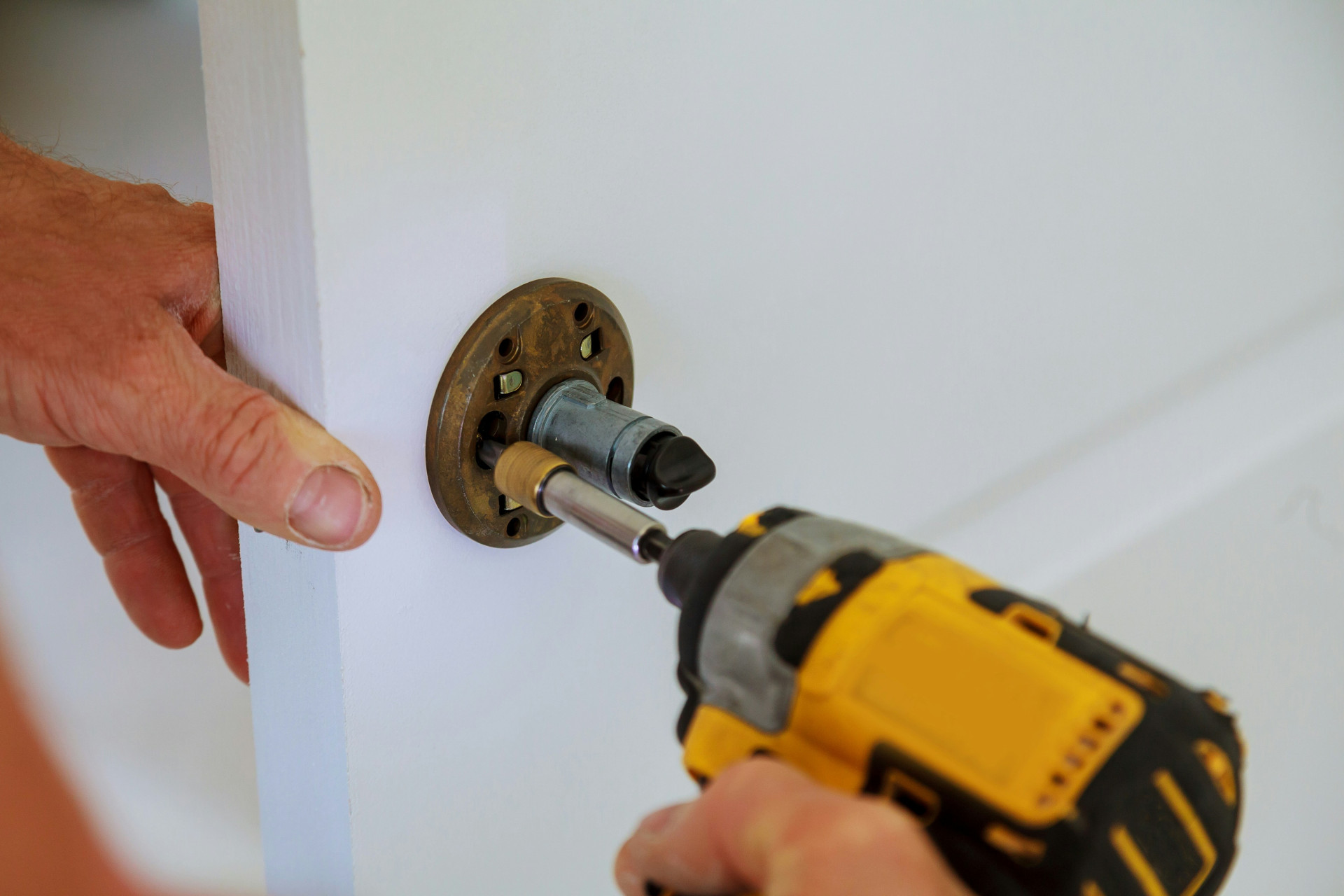
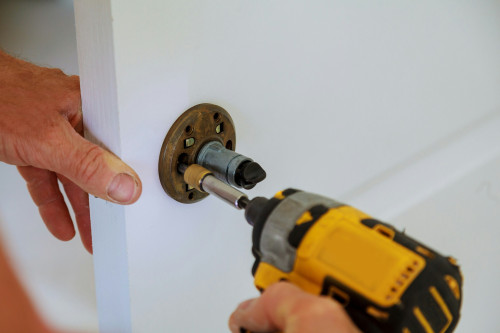
- Install a reliable deadbolt – Use a deadbolt with a reinforced strike plate and consider a double-cylinder lock for extra protection.
- Reinforce the hinges – Don’t overlook the hinge side. Add hinge bolts or security pins to prevent the door from being lifted off its hinges.
- Ensure good lighting – A motion-activated LED light above the back door makes it difficult for intruders to work unnoticed.
If you have a patio or sliding glass door, apply the same principles. Consider adding a keyed lock on both sides or a security bar to prevent the door from being forced open.
Add Modern Technology
Technology can be a powerful ally in securing your basement and back door.
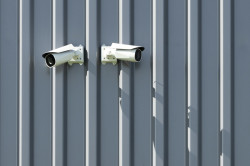
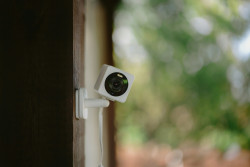
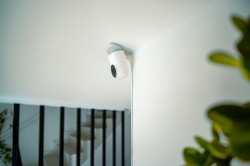
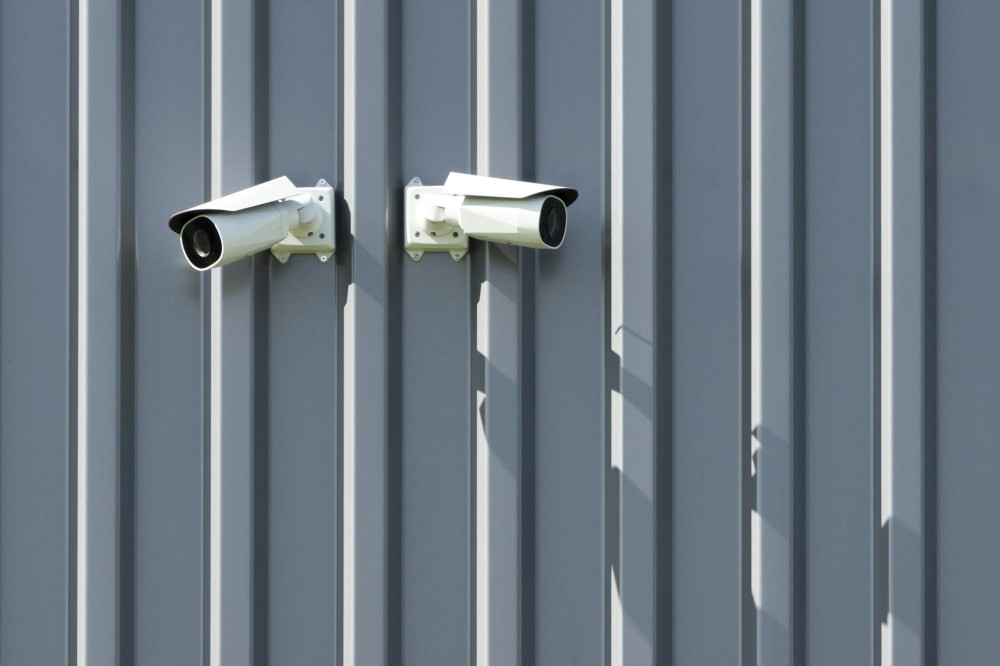
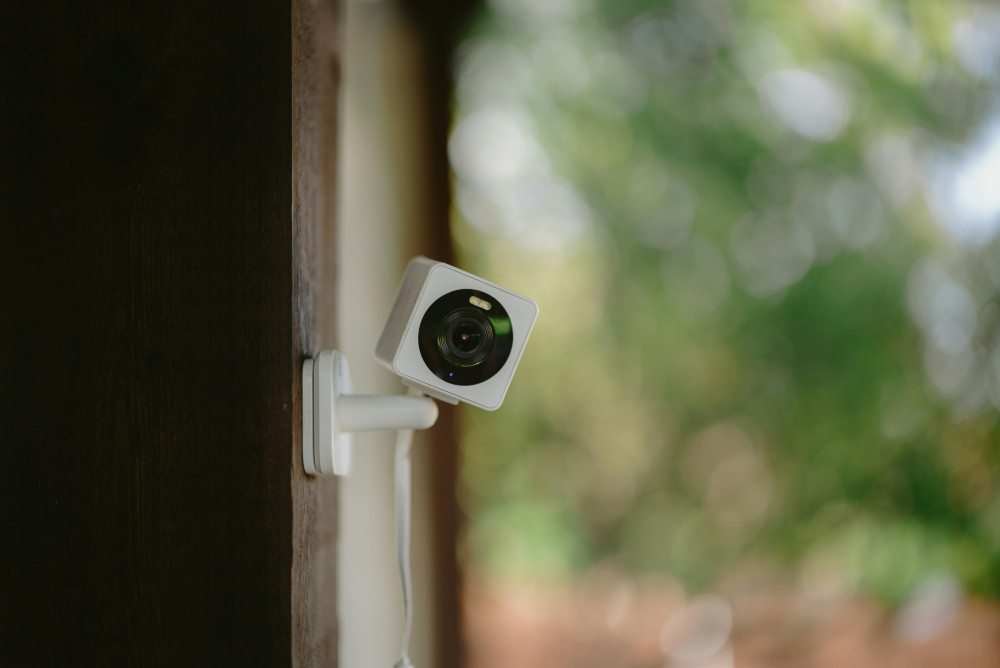
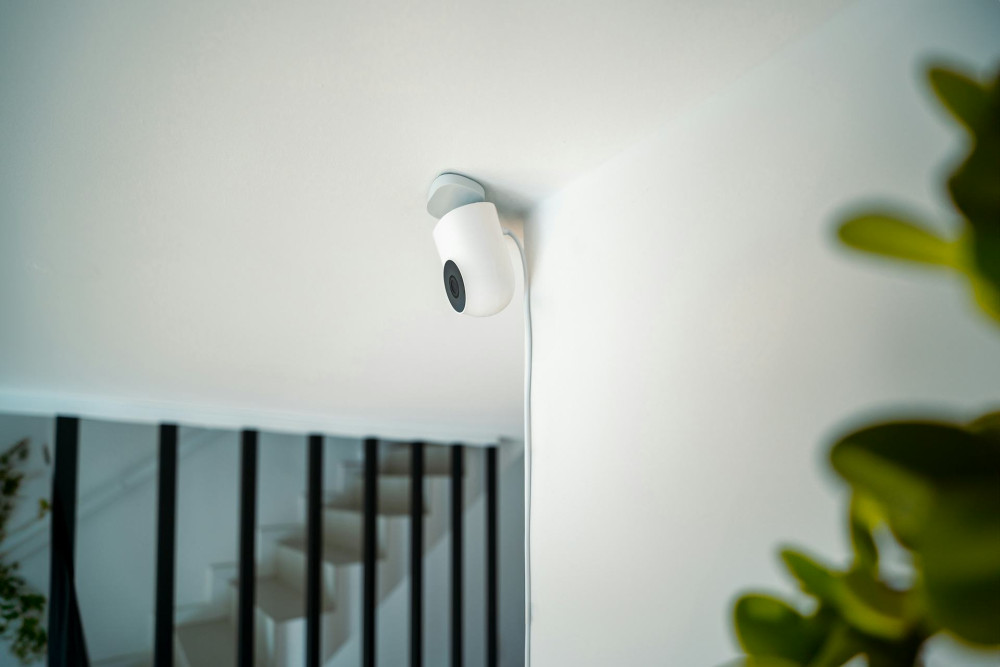
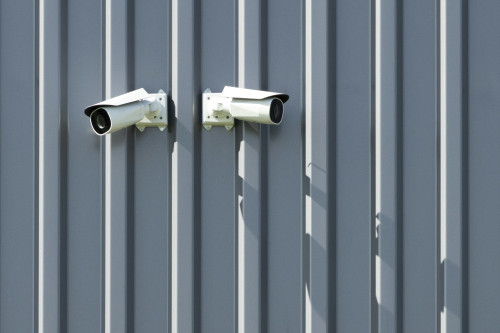
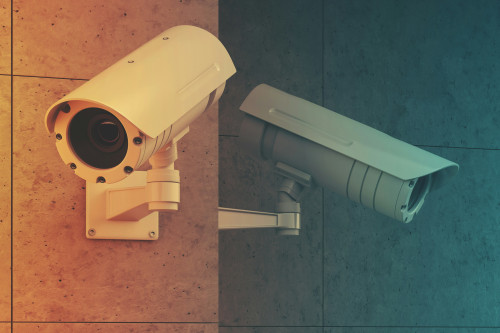
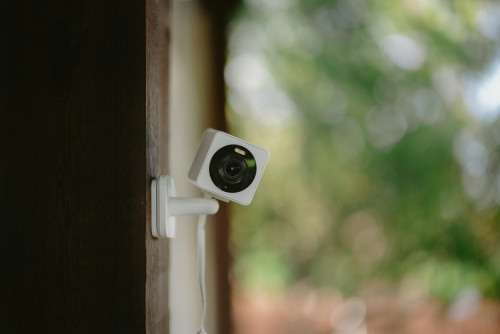
- Security cameras – Compact cameras with motion detection can alert you via smartphone if movement is detected.
- Alarm systems with door and window sensors – A triggered alarm can scare off intruders before they gain entry.
- Smart lighting – Motion-activated lights create uncertainty for burglars and peace of mind for you.
Remember, technology should complement—not replace—physical security measures.
Læs også:
Maintenance and Awareness
Even the best security measures lose effectiveness if not maintained. Regularly check that grates, locks, and fittings are secure and that lighting works properly. After heavy rain or storms, inspect basement shafts for damage or corrosion.
It’s also wise to coordinate with neighbors. A neighborhood watch or simply keeping an eye on each other’s homes can be one of the most effective ways to prevent break-ins—especially in areas where back doors and basement shafts are hidden from view.
A Small Effort with Big Results
Securing basement shafts and back doors doesn’t require major investments, but it can make a significant difference. Burglars usually choose the easiest target—and a home that clearly shows signs of strong security is often skipped. With solid materials, good lighting, and a touch of smart technology, you can create a safer, more secure home for you and your family.
Læs også: