Repair or Replace? How to Assess the Condition of Your Floor

Repair or Replace? How to Assess the Condition of Your Floor
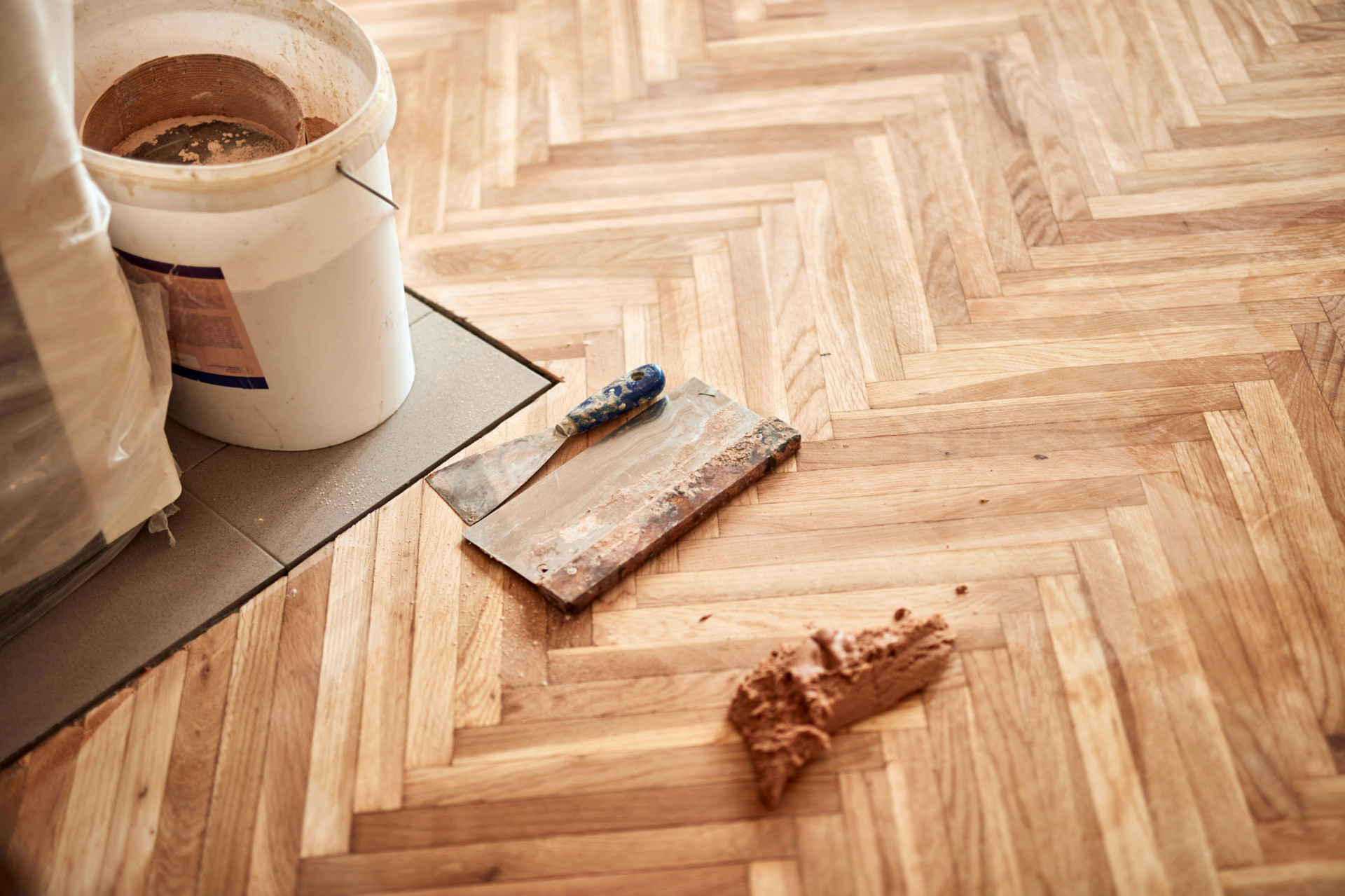
Your floor is one of the hardest-working surfaces in your home—and one of the easiest to overlook. We walk on it every day, but often don’t notice its condition until scratches, stains, or squeaks start to appear. The question then becomes: should you repair it, or is it time for a full replacement? Here’s a guide to help you evaluate your floor’s condition and make the right decision.
Start with a Thorough Inspection
Before deciding whether to repair or replace, take a close look at your floor. Check for:
- Surface wear – Scratches, dullness, or minor stains can often be fixed with refinishing or a new protective coating.
- Cracks and gaps – Small gaps in hardwood floors are normal, but wide or uneven ones may indicate moisture issues or structural movement.
- Discoloration – Dark spots can signal water damage, while faded areas often result from sun exposure.
- Squeaks and unevenness – These may come from loose boards, shifting subfloors, or moisture problems underneath.
Inspect the entire room, including areas under rugs and furniture. A complete overview helps you understand the extent of any damage.
Hardwood Floors: Often Worth Saving
Solid and engineered hardwood floors are durable and can often be restored. If the damage is mostly on the surface, sanding and refinishing can bring back their original beauty.
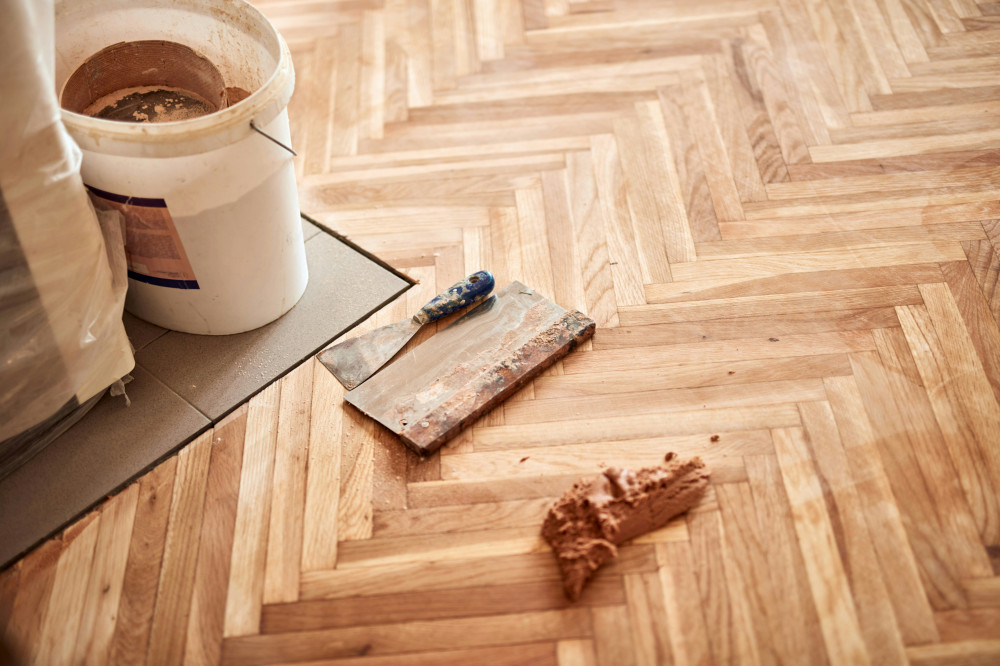
However, if you notice deep cracks, rot, or water stains that go through the wood, you may need to replace individual boards. This is usually more affordable than installing a brand-new floor, and when done properly, the repair can blend seamlessly.
A good rule of thumb: if the wear layer is less than about 1/8 inch thick, refinishing may no longer be possible, and replacement is the better option.
Laminate and Vinyl: Limited Repair Options
Laminate and vinyl floors are popular for their affordability and durability, but they’re not as easy to repair as wood.
Minor scratches can sometimes be touched up with repair kits, but if the surface is peeling, warped, or water-damaged, replacement is usually the only lasting fix.
If your floor uses a click-lock system, you might be able to replace individual planks—especially if you saved extras from the original installation.
Læs også:

Signs It’s Time to Replace
Even the best floors have a lifespan. Here are some clear indicators that replacement may be necessary:
- Persistent moisture damage – Dark stains, mold, or a soft, spongy feel underfoot.
- Uneven surfaces – Buckling, sagging, or sloping floors can point to subfloor or structural issues.
- Frequent repairs – If you keep patching the same problems, replacement may be more cost-effective in the long run.
- Aesthetic or comfort concerns – Sometimes the floor is simply outdated or no longer fits your home’s style and needs.
A new floor can also improve indoor air quality, especially if the old one has trapped dust, odors, or allergens.
Consider Cost and Sustainability
Repairing is usually cheaper than replacing, but the right choice depends on the material and the extent of the damage. A well-maintained hardwood floor can last for decades, while laminate or vinyl typically lasts 10–25 years.
From an environmental standpoint, restoring an existing floor is often the greener choice—it reduces waste and conserves resources. If you do replace, look for sustainably sourced materials such as FSC-certified wood or recyclable flooring options.
Get a Professional Opinion
If you’re unsure, it’s worth consulting a flooring professional. They can quickly determine whether refinishing is possible or if there are hidden issues beneath the surface.
A professional assessment may cost a small fee, but it can save you time, money, and frustration—especially if you’re planning a larger renovation.
Conclusion: Preserve When Possible, Replace When Necessary
A beautiful floor is more than just a surface—it’s the foundation of your home’s character and comfort. If your floor still has structural integrity, repair and refinishing are often the best choices. But when damage runs deep or the material has reached the end of its life, replacement becomes an investment in both your home’s value and your everyday comfort.
The key is to make an informed decision—and to see your floor for what it truly is: the base that supports your life at home.
Læs også: