How to Choose the Right Wooden Table to Match Your Room’s Materials

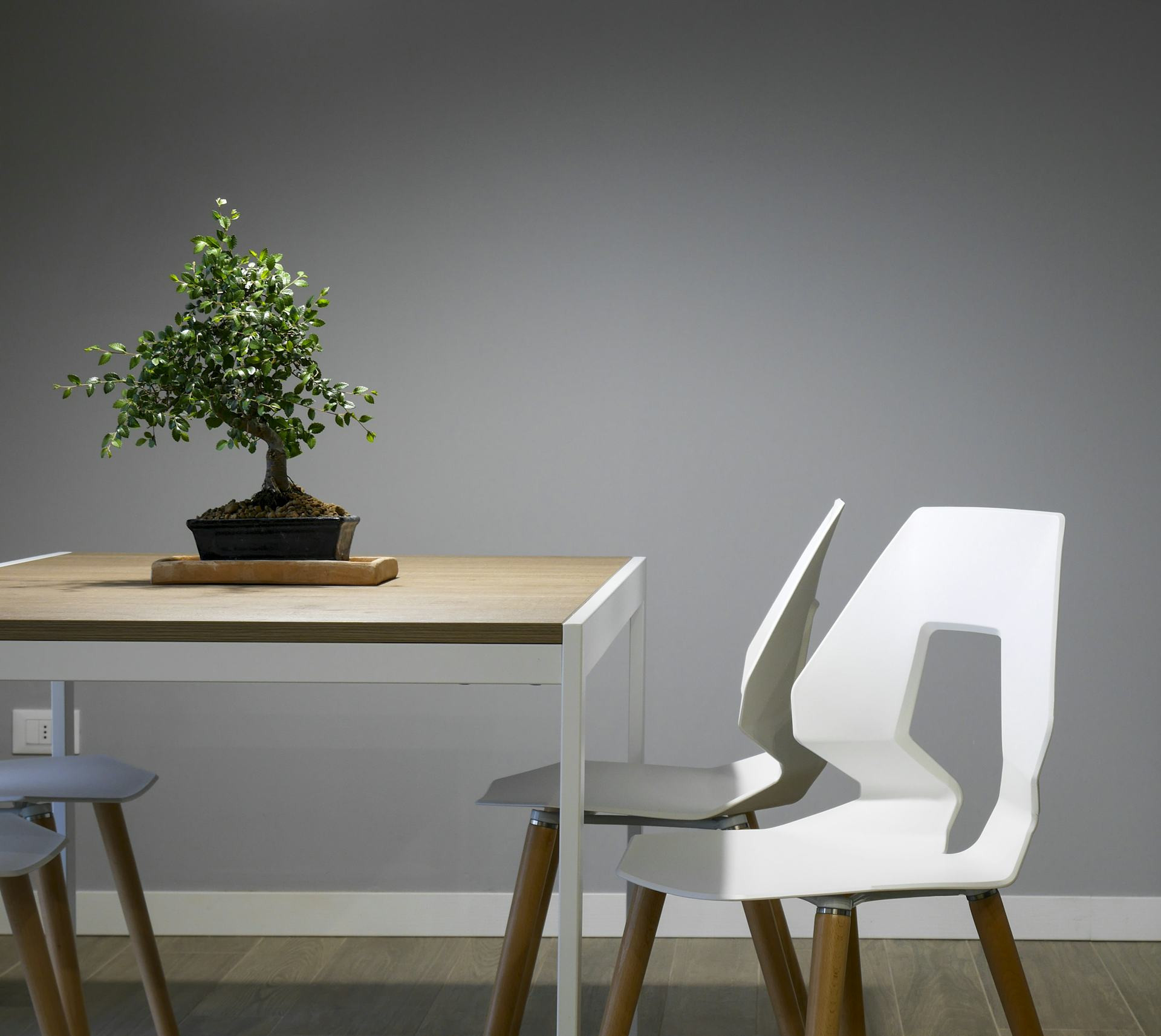
How to Choose the Right Wooden Table to Match Your Room’s Materials
A wooden table is more than just a piece of furniture – it’s a gathering place, a statement of style, and a key element in your home’s overall design. But how do you choose the right table that complements your room’s materials and creates a sense of balance? Here’s a guide to help you make a thoughtful choice that ties your space together beautifully.
Start by Understanding Your Room’s Character
Before falling in love with a particular table, take a moment to study the room it will live in. What materials dominate the space? Do you already have wood elements, or is the room defined by metal, stone, or fabric textures?
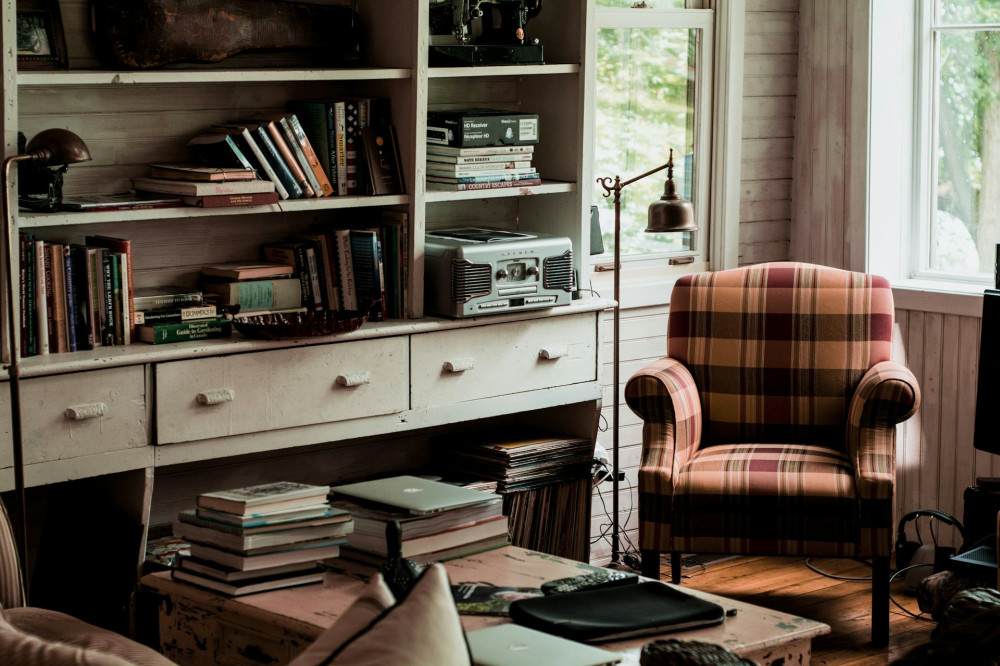
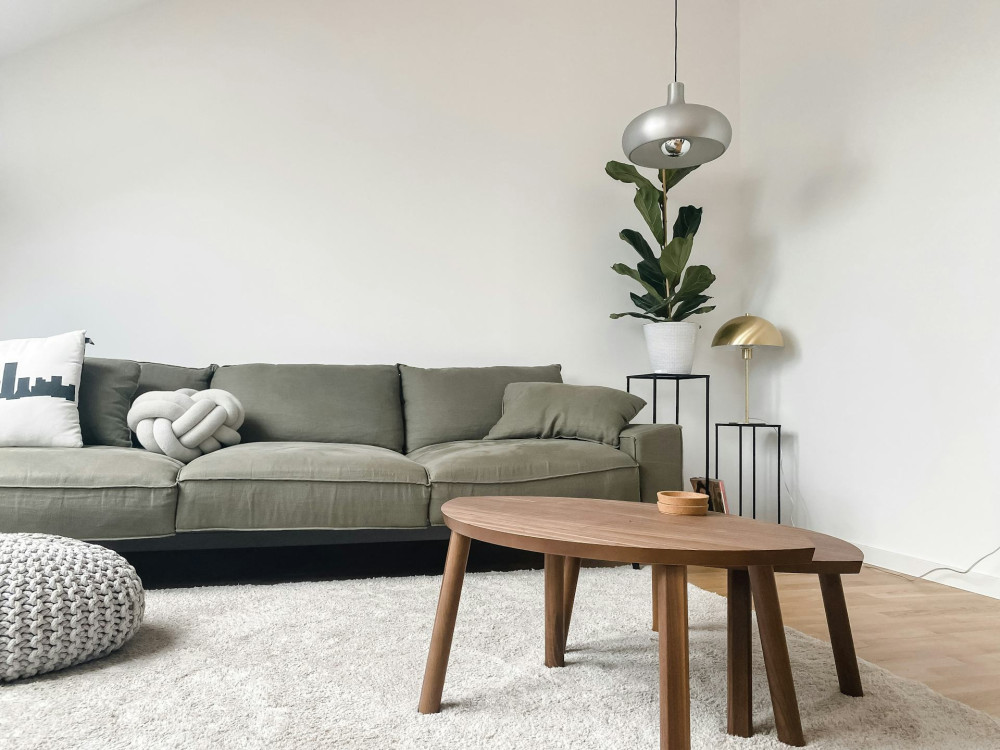
- Wood on wood: If your room features hardwood floors or wood paneling, consider how the table’s wood species interacts with them. An oak table can harmonize with light oak floors, while a walnut table can add contrast and depth.
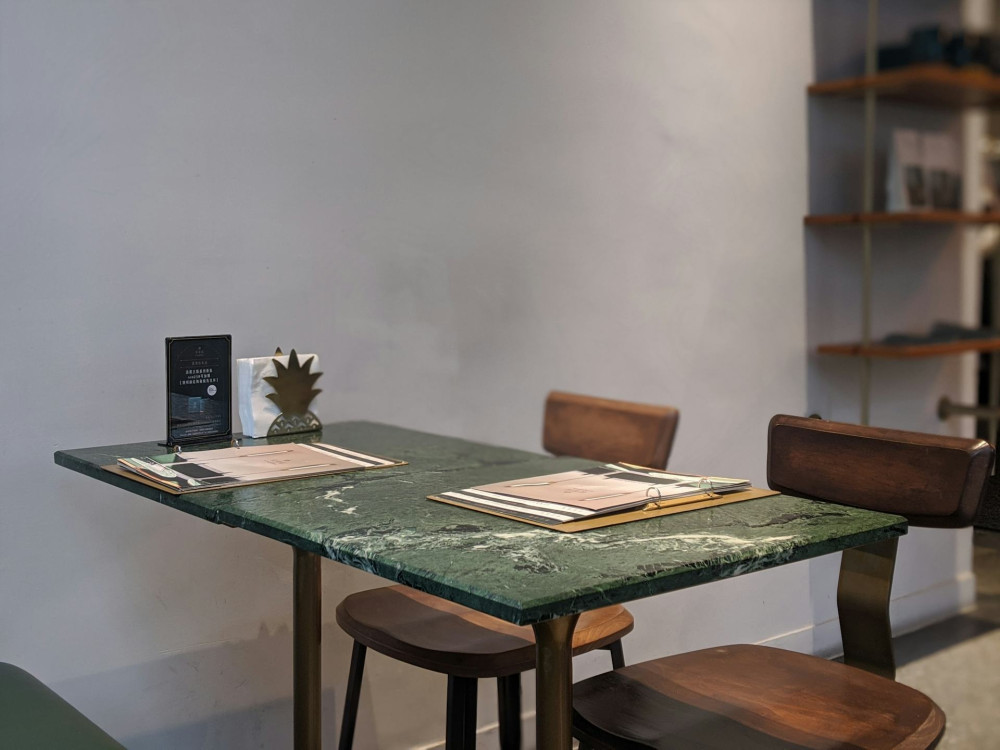
- Pairing with cool materials: In rooms with concrete, steel, or glass, a wooden table brings warmth and softness. Tables with visible grain patterns work especially well to break up sleek, hard surfaces.
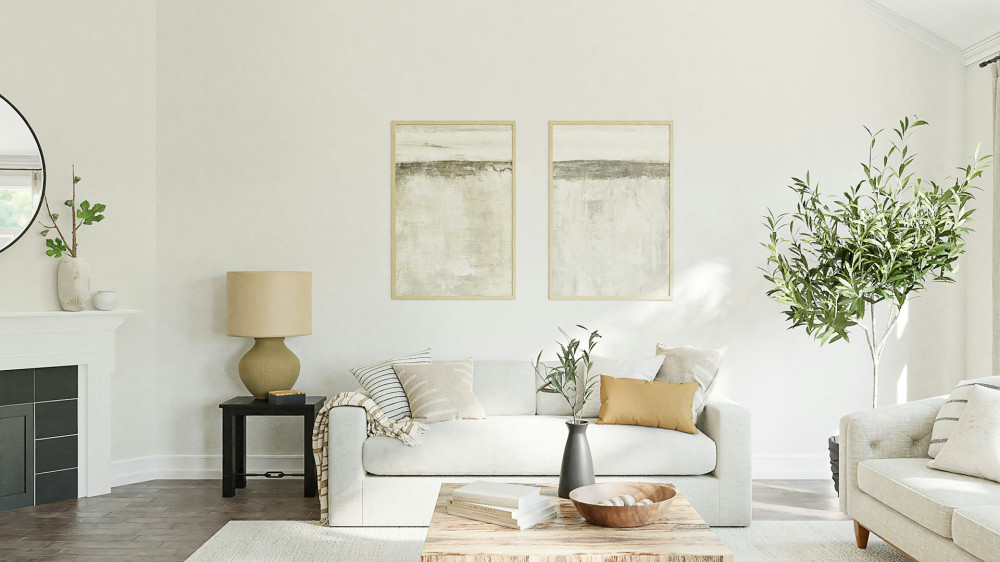
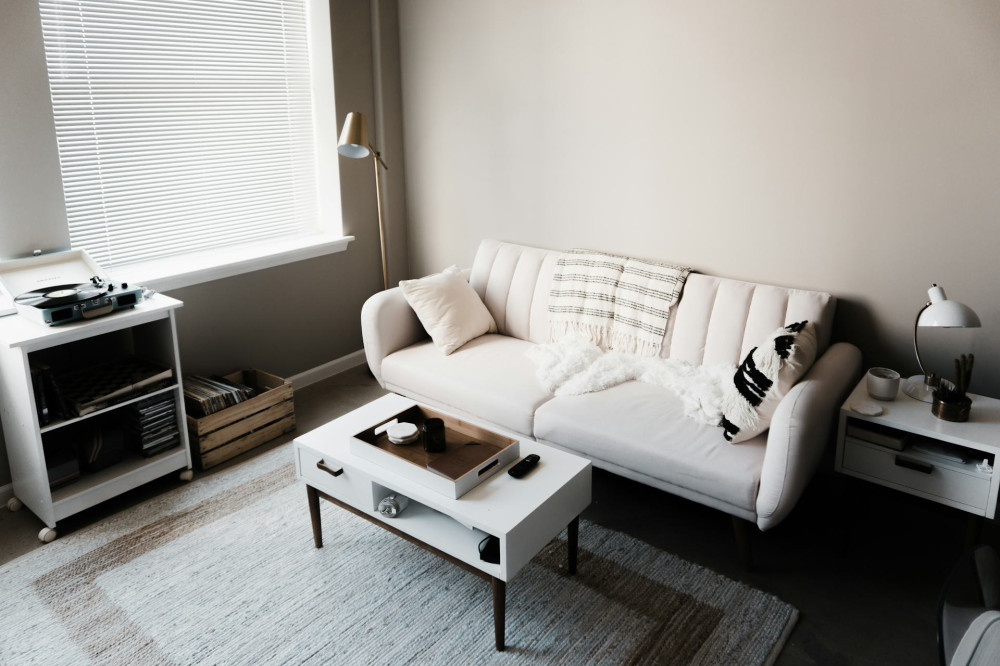
- Textiles and color: If your space includes plenty of fabric – rugs, curtains, or upholstered furniture – a table in a neutral wood tone can create calm and balance.
Choosing a table isn’t just about the piece itself; it’s about how it fits into the larger composition of your home.
Choose the Right Wood Species
The type of wood you select affects not only the look but also the durability and mood of your space. Here are some popular options:
- Oak: Classic, strong, and timeless. Works well in both modern and traditional interiors.
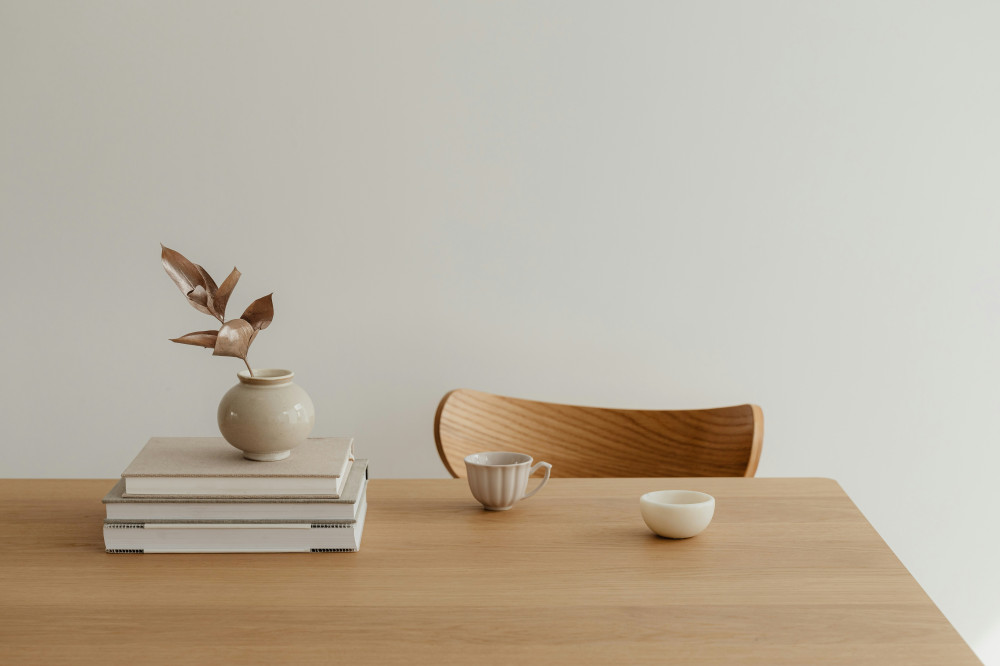
- Ash: Light and airy, perfect for minimalist or Scandinavian-inspired spaces.
- Walnut: Dark, rich, and elegant, adding a touch of sophistication.
- Maple: Smooth and consistent in texture, ideal for bright, clean spaces.
- Teak: Warm and durable, great for both indoor and outdoor use.
Also consider the finish. An oiled surface highlights the natural grain and feels organic, while a lacquered finish offers more protection against spills and moisture.
Match the Table’s Style to the Room’s Materials
Your table doesn’t have to match everything else in the room, but it should complement it. Here are some guidelines:
- Modern spaces: In rooms with sleek surfaces, metal, and glass, a solid wood table with simple lines can add warmth and contrast.
- Rustic interiors: If your space features exposed beams, brick walls, or natural textures, a table with live edges or visible joinery will fit right in.
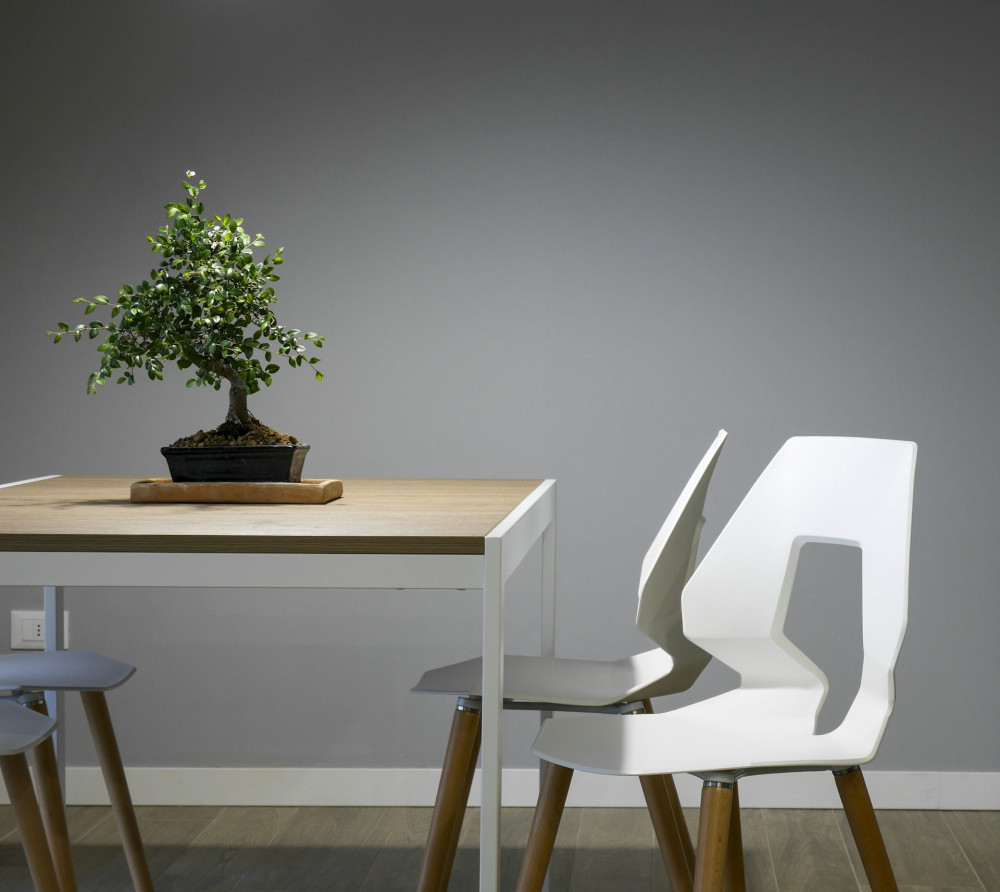
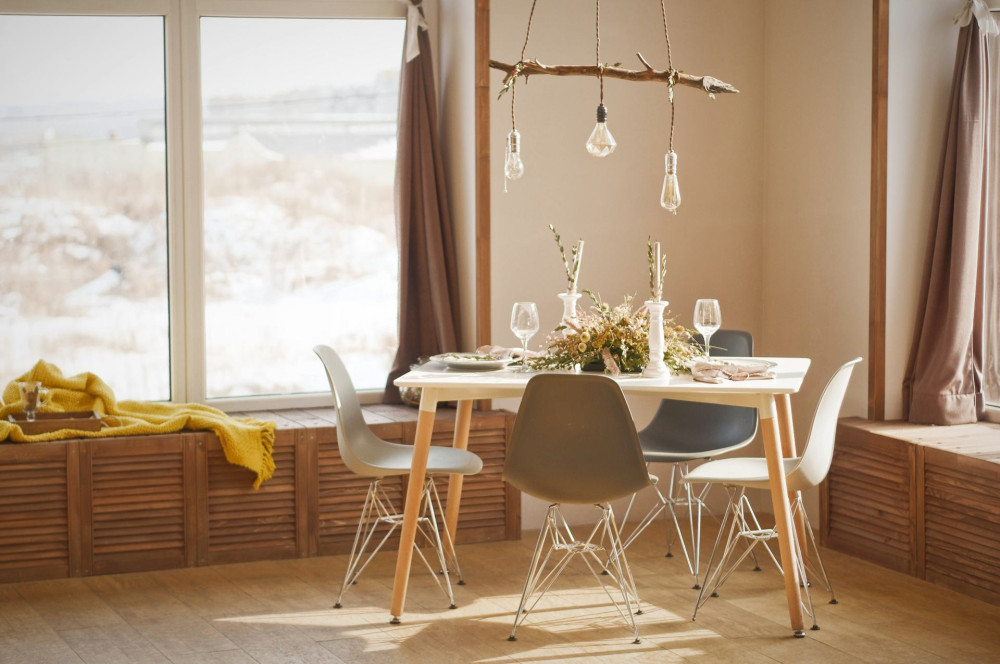
- Coastal or Scandinavian style: Light woods and clean lines work best. Pair with white, gray, or soft blue tones for a serene look.
- Traditional décor: A darker wood table with turned legs or classic detailing enhances a timeless atmosphere.
The key is to make the table feel like a natural part of the room rather than a separate element.
Consider Proportions and Lighting
A table can dramatically change how a room feels. A large, dark table might feel heavy in a small space, while a lighter table with slender legs can make the room appear more open.
Lighting also plays a role. In rooms with plenty of natural light, darker woods can shine, while lighter woods work better in spaces with limited daylight.
If you’re unsure, take photos of your room and compare how different wood tones and materials interact. Seeing them side by side can help you make a more objective decision.
Make the Table Part of the Whole
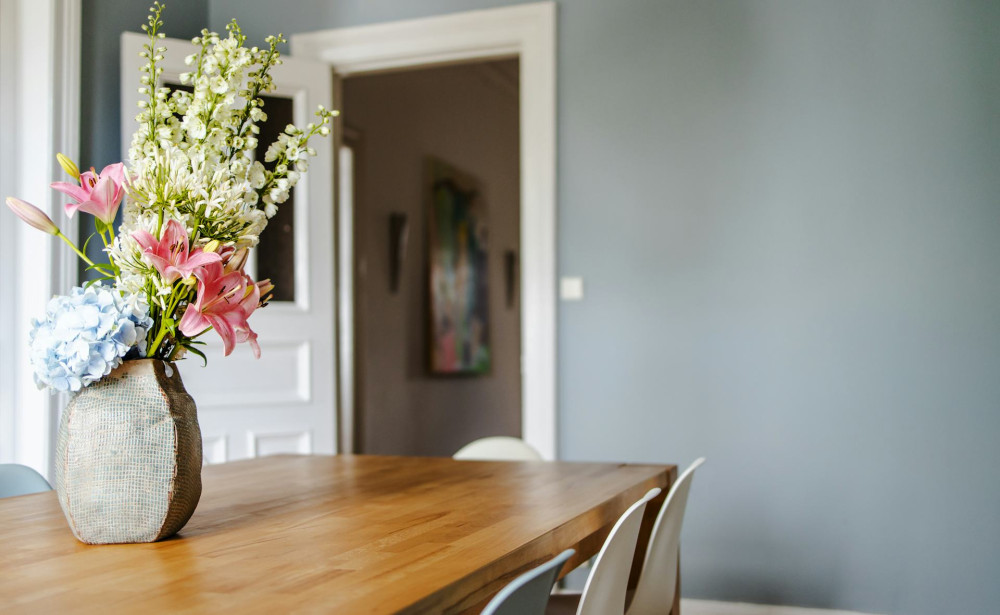
Once you’ve chosen your table, reinforce the connection between it and the rest of the room through accessories. A linen runner, a ceramic vase, or chairs with wooden accents can tie the look together.
In open-concept spaces, consider repeating the table’s wood tone in smaller details – such as shelving, cutting boards, or light fixtures with wood elements. This creates a cohesive flow that makes your home feel intentional and harmonious.
Læs også:
A Table That Lasts – in Style and Quality
A well-made wooden table is an investment that can last for decades. Choose solid wood if you want a piece that can be refinished and maintained over time. Also, think about sustainability – many American furniture makers now offer tables made from FSC-certified or reclaimed wood, ensuring responsible sourcing.
When you choose with care, you’re not just buying a table – you’re bringing home a piece that will grow with your family and become part of your home’s story.
Læs også: