How to Clean Cotton Fabric on a Sofa Without Damaging It

How to Clean Cotton Fabric on a Sofa Without Damaging It
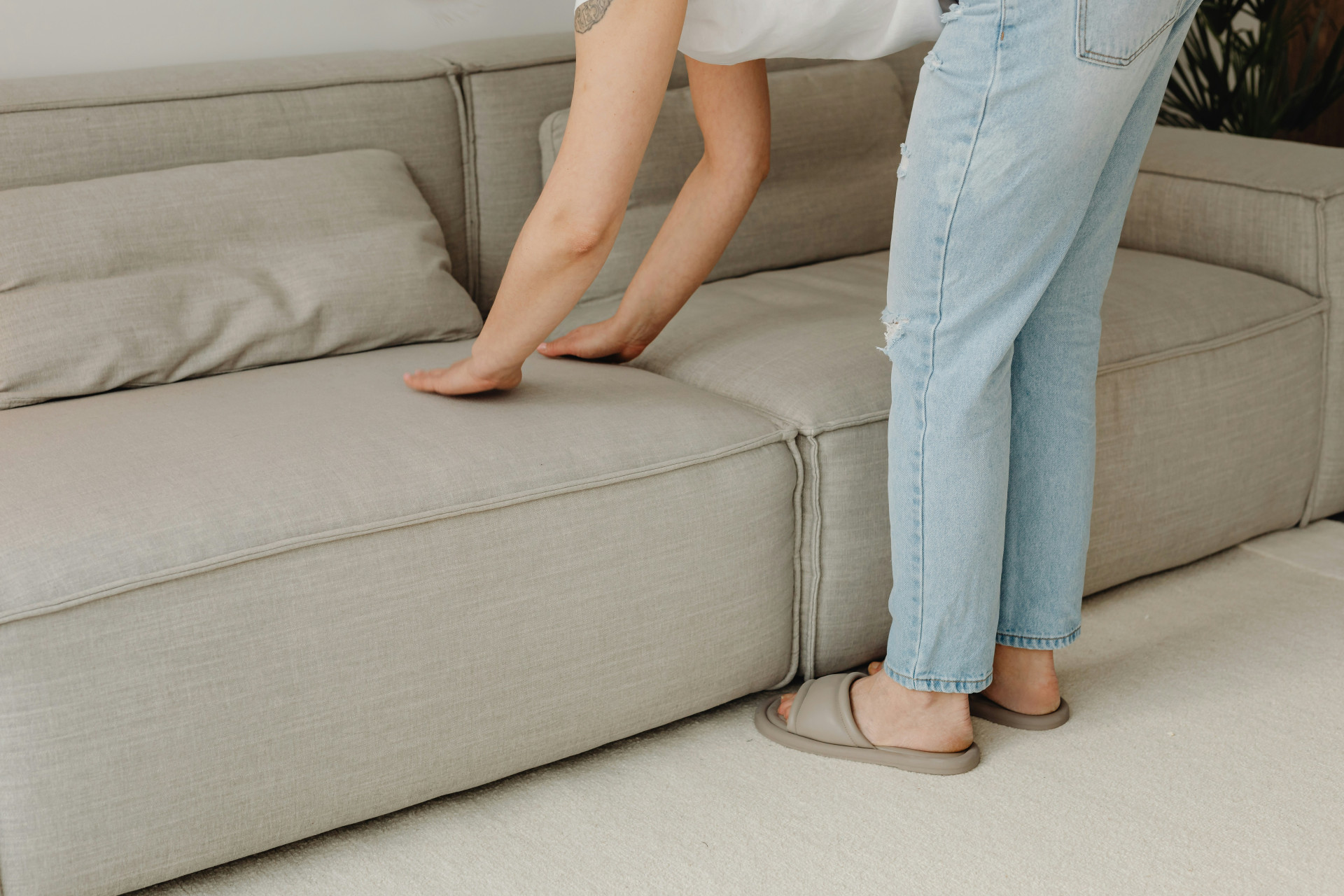
A cotton-upholstered sofa brings a cozy, natural look to your living room—but it can also be vulnerable to stains, wear, and improper cleaning. Cotton is an organic material that easily absorbs liquids and dirt, so it takes a bit of care to keep it looking fresh without harming the fibers. Here’s a practical guide to cleaning your cotton sofa gently and effectively.
Know Your Fabric—and Check the Manufacturer’s Instructions
Before you start cleaning, find out what kind of cotton fabric your sofa has. Some covers are 100% cotton, while others are blended with synthetic fibers for added durability. Always check the manufacturer’s tag or care label—this will tell you whether the cover is removable and machine washable or if it should only be spot-cleaned or professionally cleaned.
If you’re unsure, test any cleaning solution on a hidden area, such as the back of a cushion. This helps you avoid discoloration or water marks on visible surfaces.
Læs også:



Regularly Remove Dust and Surface Dirt
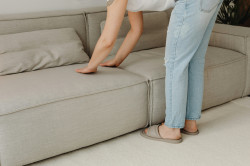
Vacuuming your sofa regularly is the best way to keep cotton fabric clean. Use your vacuum’s upholstery attachment with soft bristles, and gently go over the entire surface—including seams, crevices, and under cushions. This removes dust, pet hair, and small particles that can wear down the fabric over time.
Try to vacuum your sofa once a week, especially if you have pets or kids. Regular maintenance helps preserve the fabric’s color and texture.
How to Remove Stains Without Damaging the Fabric
When spills happen, act quickly—but carefully. Cotton absorbs liquid fast, so the sooner you respond, the better.
- Blot, don’t rub. Use a clean, white cloth or paper towel to gently blot the stain. Rubbing can push the stain deeper into the fibers.
- Use lukewarm water and mild soap. Mix a small amount of gentle, pH-neutral soap (like fragrance-free dish soap) with lukewarm water. Lightly dampen a cloth with the solution and blot the stain.
- Work from the outside in. This prevents the stain from spreading.
- Rinse with clean water. Use a damp cloth without soap to remove any residue.
- Let it air dry. Avoid hair dryers or direct sunlight, as heat can cause cotton to shrink or fade.
For grease stains, sprinkle a bit of cornstarch or baking soda on the spot, let it sit for 15–20 minutes, and then vacuum it up. It absorbs the oil without damaging the fabric.
What to Avoid
It can be tempting to use strong cleaners, but avoid products containing bleach, ammonia, or alcohol. These can weaken cotton fibers and cause discoloration. Also, don’t use too much water—excess moisture can soak into the padding and lead to mildew or odors.
If your sofa cover is removable, only machine wash it if the label says it’s safe. Use a gentle cycle, cold water, and mild detergent. Skip the dryer—air-dry the cover and put it back on while it’s still slightly damp to help it keep its shape.
Freshen Up Your Sofa Naturally
If your sofa just needs a quick refresh, try these simple, eco-friendly methods:
- Baking soda: Sprinkle a light layer over the fabric, let it sit for 15–30 minutes, then vacuum it up. It helps neutralize odors and freshen the fabric.
- Vinegar solution: Mix one part white vinegar with three parts water in a spray bottle. Lightly mist the fabric and wipe with a clean, dry cloth. Vinegar helps eliminate odors and has mild disinfecting properties.
These natural methods are gentle, inexpensive, and safe for most cotton fabrics.
When to Call a Professional
If your sofa has large or old stains, or if the fabric is delicate, it may be best to call a professional upholstery cleaner. They have the right tools and cleaning agents to deep-clean without damaging the material. While it’s an extra cost, professional cleaning can significantly extend your sofa’s lifespan.
A Sofa That Lasts for Years
With regular care and gentle cleaning, a cotton sofa can stay beautiful for many years. The key is to act quickly on spills, use mild products, and avoid excess moisture. By following these steps, you’ll preserve the color, texture, and comfort of your sofa—and enjoy it for a long time to come.
Læs også: